×
- Hello
- Login or Register
- Quick Links
- Live Chat
- Track Order
- Parts Availability
- RMA
- Help Center
- Contact Us
- Shop for
- Volkswagen Parts

My Garage
My Account
Cart
Genuine Volkswagen Cabrio Brake Hose
Brake Line- Select Vehicle by Model
- Select Vehicle by VIN
Select Vehicle by Model
orMake
Model
Year
Select Vehicle by VIN
For the most accurate results, select vehicle by your VIN (Vehicle Identification Number).
3 Brake Hoses found
Volkswagen Cabrio Hose Part Number: 893-611-775-A
$41.95 MSRP: $58.27You Save: $16.32 (29%)Ships in 1-2 Business Days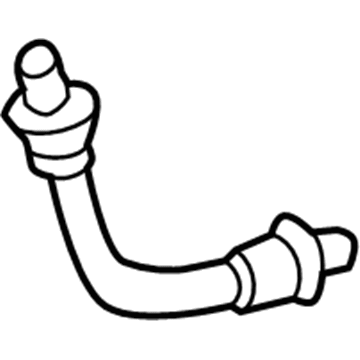
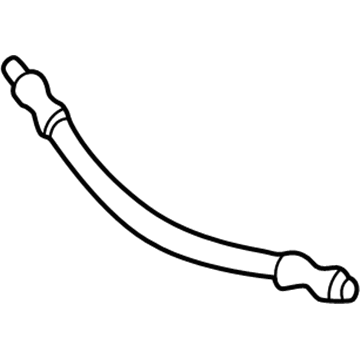
Volkswagen Cabrio Brake Hose Part Number: 1H0-611-775
$47.63 MSRP: $66.14You Save: $18.51 (28%)Ships in 1-2 Business Days
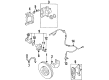
Volkswagen Cabrio Flex Hose Part Number: 1H0-611-701-F
$84.05 MSRP: $117.71You Save: $33.66 (29%)Ships in 1-2 Business Days
Volkswagen Cabrio Brake Hose
Choose OEM Brake Hose for superior quality and long-lasting durability. They match the Volkswagen's factory specifications exactly and pass strict quality control. If you plan to replace Brake Hose on your Cabrio, put OEM at the top of your list. You'll get the right fit, reliable performance, and peace of mind. We stock an extensive inventory of genuine Volkswagen Cabrio parts. It is easy to find what you need. You will love our competitive prices that help you save. No more hassle with returns or guesswork. Every part includes a warranty straight from the manufacturer. Get trusted quality, strong durability, and real value today.
Volkswagen Cabrio Brake Hose Parts and Q&A
- Q: How can fluid loss be minimized when replacing a Brake Hose on Volkswagen Cabrio?A:In order to ensure that the fluid is not lost during replacement of any line or any hose, one must first ensure that the master cylster reservoir cap is removed and sealed using cellophane to ensure there is no air leakage. Plug or cap hoses and lines immediately after disconnection to ensure that dirt does not access the system and a rag should be placed under any fitting to support spilled fluids. When unloading a flexible hose, loosen the nut of the fitting of brake line then loosen spring clip that offers the hose. When unscrewing fitting nuts it is better to use a flare-nut wrench of the correct size to ensure that corners are rounded off. Wipe the fitting and area around with clean cloth and make special notes on connections in case of more than one fitting. In replacing brake lines, it is important to use the right parts, not copper tubing, and prefabricated steel brake line with flared ends and installed fittings are a good choice. When you are to use straight steel tubing, make sure to bend it without kinking it with a bending tool. Installation At the time of installation, do not over tighten fitting nuts, a well-functioning joint will not need a lot of force. Make sure that lines and hoses are correctly laid, not kinked, clipped or bracketed and there is enough space between them and moving or hot parts. Once installed, take off the cellophane on the reservoir, bleed the hydraulic system and wipe off spilled fluid, and verify that it is not leaking.