×
- Hello
- Login or Register
- Quick Links
- Live Chat
- Track Order
- Parts Availability
- RMA
- Help Center
- Contact Us
- Shop for
- Volkswagen Parts

My Garage
My Account
Cart
Genuine Volkswagen Golf Brake Master Cylinder
- Select Vehicle by Model
- Select Vehicle by VIN
Select Vehicle by Model
orMake
Model
Year
Select Vehicle by VIN
For the most accurate results, select vehicle by your VIN (Vehicle Identification Number).
14 Brake Master Cylinders found
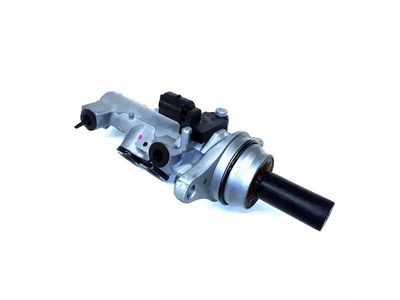
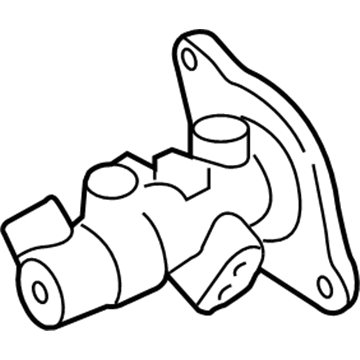
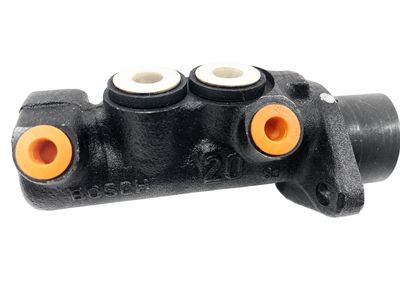
Volkswagen Golf Master Cylinder Part Number: 1K1-614-019-AF
$294.62 MSRP: $402.49You Save: $107.87 (27%)Ships in 1-2 Business Days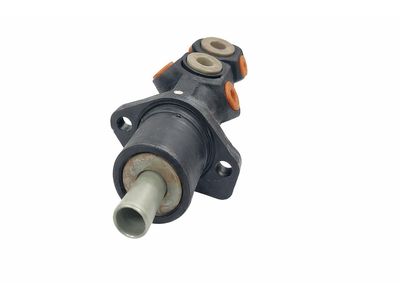
Volkswagen Golf Master Cylinder Part Number: 191-611-019
$211.63 MSRP: $296.40You Save: $84.77 (29%)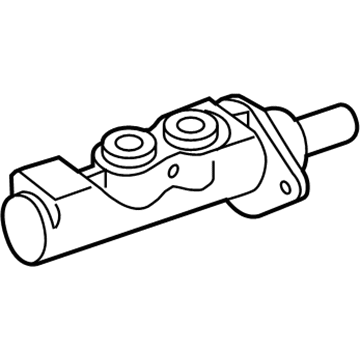
Volkswagen Golf Master Cylinder Part Number: 1K1-614-019-F
$268.39 MSRP: $366.65You Save: $98.26 (27%)Ships in 1-2 Business Days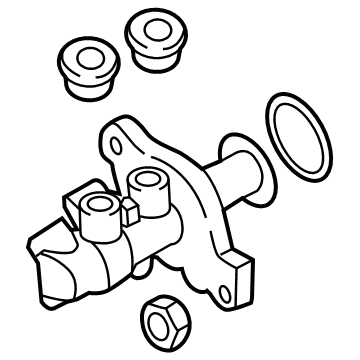
Volkswagen Golf Master Cylinder Part Number: 5QM-614-019-G
$55.98 MSRP: $77.75You Save: $21.77 (28%)Ships in 1-2 Business Days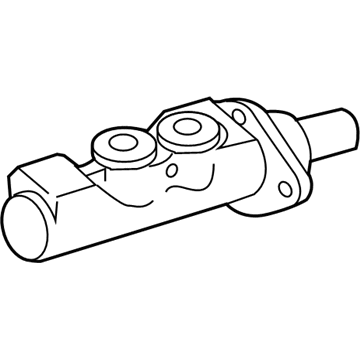
Volkswagen Golf Master Cylinder Part Number: 1J1-614-019-A
$217.77 MSRP: $305.00You Save: $87.23 (29%)Ships in 1-2 Business Days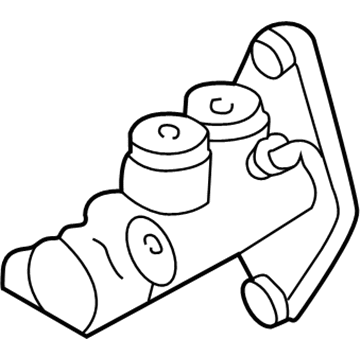
Volkswagen Golf Master Cylinder Part Number: 357-611-019-B
$250.34 MSRP: $342.00You Save: $91.66 (27%)Ships in 1-2 Business Days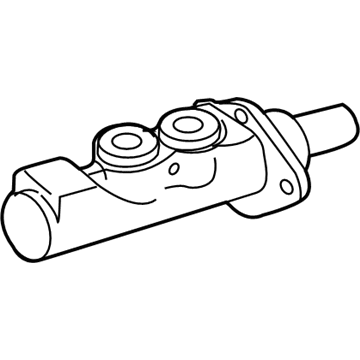
Volkswagen Golf Master Cylinder Part Number: 1J1-614-019-F
$262.59 MSRP: $358.73You Save: $96.14 (27%)Ships in 1-2 Business Days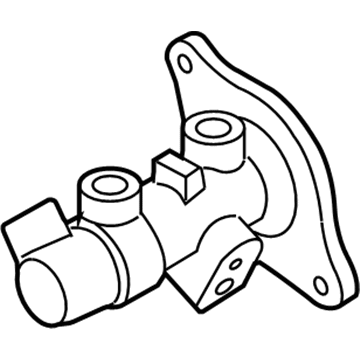
Volkswagen Golf Master Cylinder Part Number: 1K1-614-019-K
$281.81 MSRP: $384.98You Save: $103.17 (27%)Ships in 1-2 Business Days
Volkswagen Golf Master Cylinder Part Number: 3A1-698-019
$284.02 MSRP: $388.00You Save: $103.98 (27%)Ships in 1-2 Business DaysVolkswagen Golf Master Cylinder Part Number: 1H1-698-019-B
$284.02 MSRP: $388.00You Save: $103.98 (27%)Volkswagen Golf Master Cylinder Part Number: 1J1-614-019-K
$285.00 MSRP: $389.36You Save: $104.36 (27%)Ships in 1-2 Business Days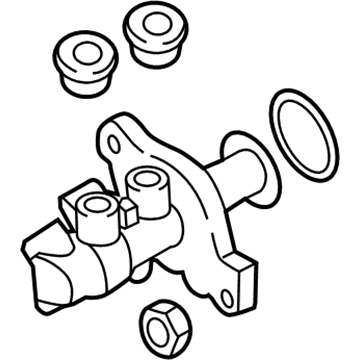
Volkswagen Golf Master Cylinder Part Number: 5Q1-614-019-Q-REP
$288.21 MSRP: $393.74You Save: $105.53 (27%)Ships in 1-2 Business Days
Volkswagen Golf Master Cylinder Part Number: 1H1-698-019-A
$365.41 MSRP: $499.20You Save: $133.79 (27%)
Volkswagen Golf Master Cylinder Part Number: 1H1-611-019-C
$218.96 MSRP: $306.67You Save: $87.71 (29%)Ships in 1-2 Business Days
Volkswagen Golf Brake Master Cylinder
Choose OEM Brake Master Cylinder for superior quality and long-lasting durability. They match the Volkswagen's factory specifications exactly and pass strict quality control. If you plan to replace Brake Master Cylinder on your Golf, put OEM at the top of your list. You'll get the right fit, reliable performance, and peace of mind. We stock an extensive inventory of genuine Volkswagen Golf parts. It is easy to find what you need. You will love our competitive prices that help you save. No more hassle with returns or guesswork. Every part includes a warranty straight from the manufacturer. Get trusted quality, strong durability, and real value today.
Volkswagen Golf Brake Master Cylinder Parts and Q&A
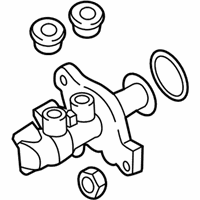
- Q:How to remove and install a Brake Master Cylinder on Volkswagen Golf?A:Firstly, precautions have to be taken because brake fluid may harm paint or finished surfaces to remove the master cylinder. The master cylinder cannot be serviced, and therefore change it in case it is faulty. Start by unscrewing the engine cover and unplugging the cable of the negative battery terminal. Then take off the battery and battery tray, unscrew electrical connectors of brake fluid level warning switch and brake light switch. Aspirate the reservoir as much as possible and in manual transaxle models unscrew and use a plug to remove the vacuum on the master cylinder hose of the clutch. Unscrew the brake light mounting fastener and switch, then use careful caution to pull the locking tabs on the reservoir outward then raise it off the master cylinder. Clean the surroundings on the fittings of the brake line, remove the brake lines, and seal up all holes to avoid contamination. Unscrew the mounting nuts of the master cylinder and the master cylinder and heat shield of the power booster. In case of installing a new master cylinder, new seals are to be employed when transfers the reservoir. To install, bench bleed the new master cylinder, and connect bleeder tubes to each outlet port and pour the suggested amount of brake fluid into the reservoir. Put the pistons slowly into the master cylinder to push the air out until there are no more bubbles. Take the bleed tubes out and replace them with plugs in the vacant ports and place the reservoir cap. Install the power Brake Booster with the studs on the master cylinder by screwing in the nuts with fingers and installing the brake line fittings into the master cylinder. Fix the mounting nuts and fittings of the brake lines tightly. In the case of manual transaxle models, attach the hose of the clutch master cylinder. Dump the master cylinder reservoir into the fluid, then bleed the master cylinder and brake system by having an assistant press the brake pedal and loosen the fitting so that air and fluid could escape. Repeat until no air bubbles are left in the fluid and be sure to have rags ready to slop any fluid. When bleeding is finished, wash the place beneath master cylinder thoroughly with clean water and make sure that the brake system is working properly and then resume regular service of the vehicle.
Related Volkswagen Golf Parts
 Volkswagen Golf Brake Pads
 Volkswagen Golf Brake Booster Vacuum Hose
 Volkswagen Golf Brake Caliper Bolt
 Volkswagen Golf Brake Caliper Repair Kit
 Volkswagen Golf Brake Controller
 Volkswagen Golf Brake Drum
 Volkswagen Golf Brake Dust Shields
 Volkswagen Golf Brake Fluid Level Sensor
 Volkswagen Golf Brake Master Cylinder Repair Kit
 Volkswagen Golf Brake Master Cylinder Reservoir
 Volkswagen Golf Brake Pad Sensor
 Volkswagen Golf Vacuum Check Valve
Browse by Year
2021 Brake Master Cylinder 2020 Brake Master Cylinder 2019 Brake Master Cylinder 2018 Brake Master Cylinder 2017 Brake Master Cylinder 2016 Brake Master Cylinder 2015 Brake Master Cylinder 2014 Brake Master Cylinder 2013 Brake Master Cylinder 2012 Brake Master Cylinder 2011 Brake Master Cylinder 2010 Brake Master Cylinder 2006 Brake Master Cylinder 2005 Brake Master Cylinder 2004 Brake Master Cylinder 2003 Brake Master Cylinder 2002 Brake Master Cylinder 2001 Brake Master Cylinder 2000 Brake Master Cylinder 1999 Brake Master Cylinder 1998 Brake Master Cylinder 1997 Brake Master Cylinder 1996 Brake Master Cylinder 1995 Brake Master Cylinder 1994 Brake Master Cylinder 1993 Brake Master Cylinder 1992 Brake Master Cylinder 1991 Brake Master Cylinder 1990 Brake Master Cylinder 1989 Brake Master Cylinder 1988 Brake Master Cylinder 1987 Brake Master Cylinder 1986 Brake Master Cylinder 1985 Brake Master Cylinder