×
- Hello
- Login or Register
- Quick Links
- Live Chat
- Track Order
- Parts Availability
- RMA
- Help Center
- Contact Us
- Shop for
- Volkswagen Parts

My Garage
My Account
Cart
Genuine Volkswagen Golf Parking Brake Cable
Emergency Parking Brake Release Cable- Select Vehicle by Model
- Select Vehicle by VIN
Select Vehicle by Model
orMake
Model
Year
Select Vehicle by VIN
For the most accurate results, select vehicle by your VIN (Vehicle Identification Number).
9 Parking Brake Cables found
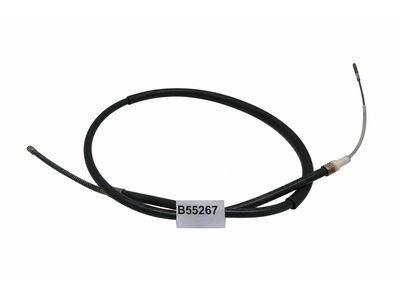
Volkswagen Golf Cable Part Number: 191-609-721-E
$35.70 MSRP: $59.50You Save: $23.80 (40%)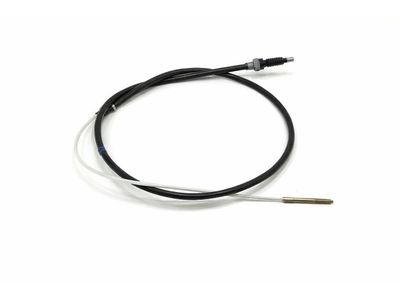
Volkswagen Golf Cable Part Number: 1H0-609-721-E
$51.85 MSRP: $72.02You Save: $20.17 (29%)Ships in 1-2 Business Days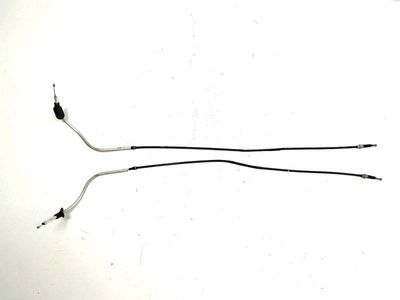
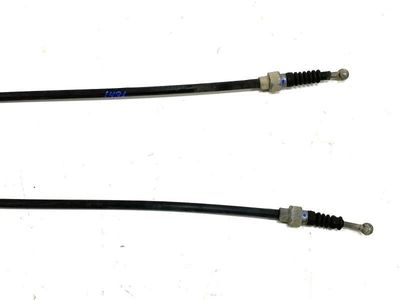
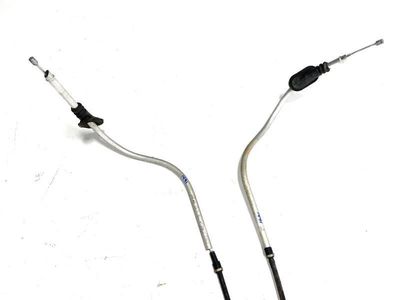
Volkswagen Golf Cable Part Number: 1J0-609-721-AP
$54.11 MSRP: $75.15You Save: $21.04 (28%)Ships in 1-2 Business Days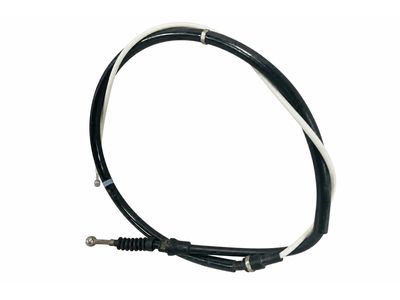
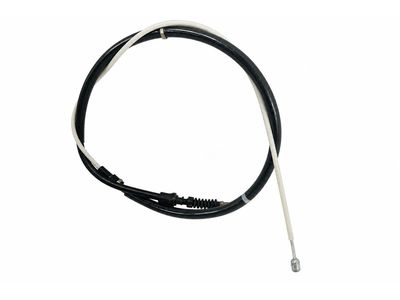
Volkswagen Golf Cable Part Number: 5Q0-609-721-AR
$60.86 MSRP: $85.24You Save: $24.38 (29%)Ships in 1-2 Business Days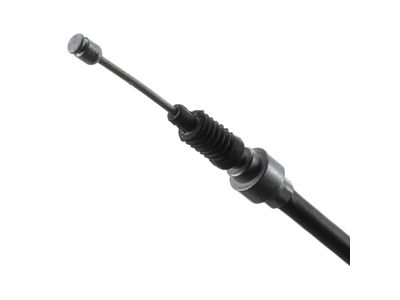
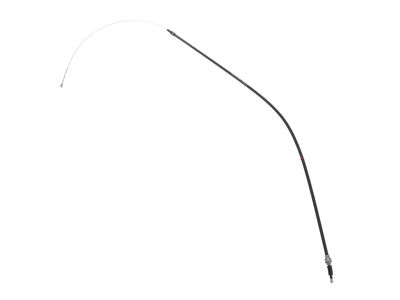
Volkswagen Golf Cable Part Number: 1J0-609-721-E
$78.53 MSRP: $109.98You Save: $31.45 (29%)Ships in 1-2 Business Days
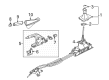
Volkswagen Golf Cable Part Number: 5Q0-609-721-BD
$38.66 MSRP: $53.70You Save: $15.04 (29%)Ships in 1-2 Business DaysVolkswagen Golf Cable Part Number: 1H0-609-721-D
$32.52 MSRP: $54.20You Save: $21.68 (40%)Ships in 1-2 Business DaysVolkswagen Golf Cable Part Number: 191-609-721
$44.52 MSRP: $61.83You Save: $17.31 (28%)Volkswagen Golf Cable Part Number: 191-609-721-F
$65.45 MSRP: $91.67You Save: $26.22 (29%)Ships in 1-2 Business Days
Volkswagen Golf Parking Brake Cable
Choose OEM Parking Brake Cable for superior quality and long-lasting durability. They match the Volkswagen's factory specifications exactly and pass strict quality control. If you plan to replace Parking Brake Cable on your Golf, put OEM at the top of your list. You'll get the right fit, reliable performance, and peace of mind. We stock an extensive inventory of genuine Volkswagen Golf parts. It is easy to find what you need. You will love our competitive prices that help you save. No more hassle with returns or guesswork. Every part includes a warranty straight from the manufacturer. Get trusted quality, strong durability, and real value today.
Volkswagen Golf Parking Brake Cable Parts and Q&A
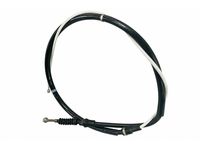
- Q:How to effectively check and adjust the Parking Brake Cable on Volkswagen Golf?A:The parking brake can be verified by clicking the lever five times to be sure it is fully engaged, any less and it might not be fully released consequently causing the vehicle to drag under the brake and any more and it may not hold the car on an incline. A method of improving its efficiency is to park on a hilly slope with the transmission on Neutral and the parking brake turned on so that the car moves and there is need to change it. The rear brakes are automatically adjusted and usually do not need any service unless the parts such as the brake drums, brake shoes, wheel cylinders and brakes cables are changed. The first step is to block the front wheels, lift the rear of the car, and hold it up well on jackstands and then remove the rear wheels. Once the center console has been taken out, press and release the brake pedal a few times followed by the parking brake, this is to center the cables. When the rear drum brake model is used, turn parking brake to the fourth notch, loosen the adjusting nut until the rear wheels become hard to turn then release the parking brake all the way and make sure the rear wheels turn freely. Calibrate with the number of clicks of the ratchet of the parking brake when in full engagement, and loosen the locknuts. When using rear disc brakes, place 1/16-inch feeler gauge between the caliper lever and the stop and tighten the adjusting nut until one can barely drag. Once the gauges are removed, turn on the parking brake and release the brake, with a 3/64-1/8-inch gap between the two, and ensure the brake is holding and the wheels of the back do not drag when turned. Lastly, the removal is reversed with installation.
Related Volkswagen Golf Parts
 Volkswagen Golf ABS Control Module
 Volkswagen Golf ABS Reluctor Ring
 Volkswagen Golf Brake Bleeder Screw
 Volkswagen Golf Brake Booster
 Volkswagen Golf Brake Controller
 Volkswagen Golf Brake Line
 Volkswagen Golf Brake Master Cylinder Reservoir
 Volkswagen Golf Brake Shoe Set
 Volkswagen Golf Hydraulic Hose
 Volkswagen Golf Parking Brake Actuator
 Volkswagen Golf Transmission Sensor
 Volkswagen Golf Vacuum Check Valve
Browse by Year
2021 Parking Brake Cable 2020 Parking Brake Cable 2019 Parking Brake Cable 2018 Parking Brake Cable 2017 Parking Brake Cable 2016 Parking Brake Cable 2015 Parking Brake Cable 2006 Parking Brake Cable 2005 Parking Brake Cable 2004 Parking Brake Cable 2003 Parking Brake Cable 2002 Parking Brake Cable 2001 Parking Brake Cable 2000 Parking Brake Cable 1999 Parking Brake Cable 1998 Parking Brake Cable 1997 Parking Brake Cable 1996 Parking Brake Cable 1994 Parking Brake Cable 1992 Parking Brake Cable 1991 Parking Brake Cable 1990 Parking Brake Cable 1989 Parking Brake Cable 1988 Parking Brake Cable 1987 Parking Brake Cable 1986 Parking Brake Cable 1985 Parking Brake Cable