×
- Hello
- Login or Register
- Quick Links
- Live Chat
- Track Order
- Parts Availability
- RMA
- Help Center
- Contact Us
- Shop for
- Volkswagen Parts

My Garage
My Account
Cart
Genuine Volkswagen GTI CV Joint Boot
Constant-Velocity Joint Boot- Select Vehicle by Model
- Select Vehicle by VIN
Select Vehicle by Model
orMake
Model
Year
Select Vehicle by VIN
For the most accurate results, select vehicle by your VIN (Vehicle Identification Number).
12 CV Joint Boots found
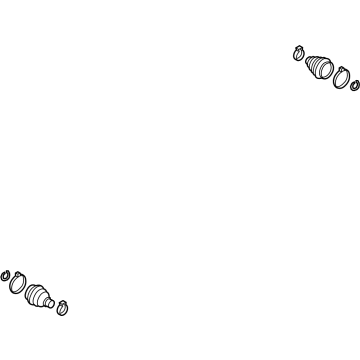
Volkswagen GTI Outer Boot Part Number: 5N0-498-203
$27.00 MSRP: $45.00You Save: $18.00 (40%)Ships in 1-2 Business Days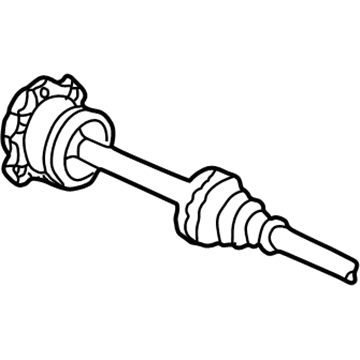
Volkswagen GTI Inner Boot Part Number: 1K0-498-201
$35.88 MSRP: $59.80You Save: $23.92 (40%)Ships in 1-2 Business Days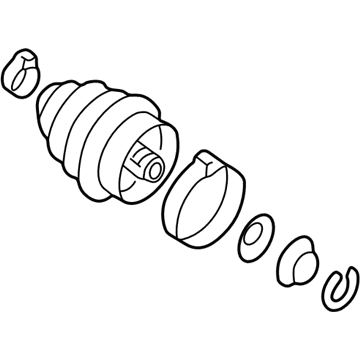
Volkswagen GTI Outer Boot Part Number: 1K0-498-203
$7.82 MSRP: $12.82You Save: $5.00 (39%)Ships in 1-2 Business Days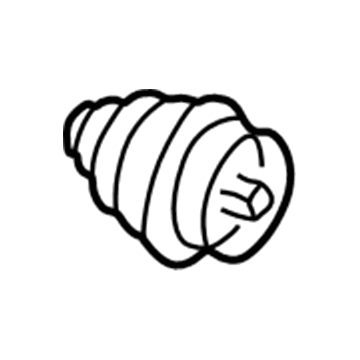
Volkswagen GTI Outer Boot Part Number: 1K0-498-203-A
$12.59 MSRP: $20.64You Save: $8.05 (39%)Ships in 1-2 Business Days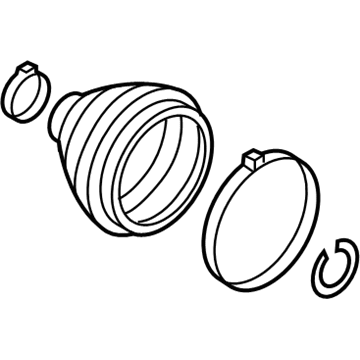
Volkswagen GTI Outer Boot Part Number: 4H0-498-203
$12.69 MSRP: $20.80You Save: $8.11 (39%)Ships in 1-2 Business Days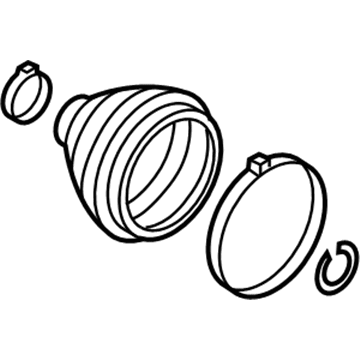
Volkswagen GTI Boots Part Number: 7L0-498-203
$40.80 MSRP: $56.67You Save: $15.87 (28%)Ships in 1-2 Business Days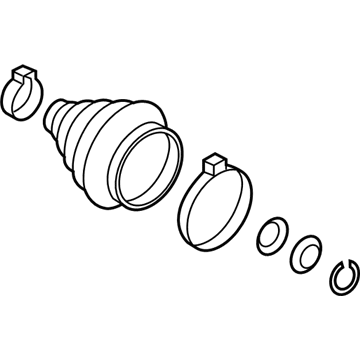
Volkswagen GTI Outer Boot Part Number: 1K0-598-203
$21.73 MSRP: $35.62You Save: $13.89 (39%)Ships in 1-2 Business Days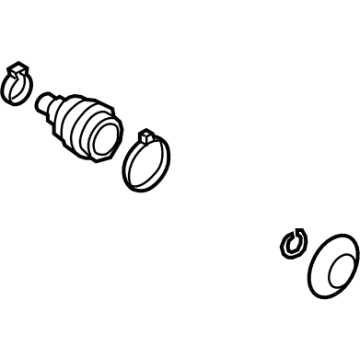
Volkswagen GTI Inner CV Joint Boot Part Number: 5Q0-498-201-F
$60.68 MSRP: $84.98You Save: $24.30 (29%)Ships in 1-2 Business Days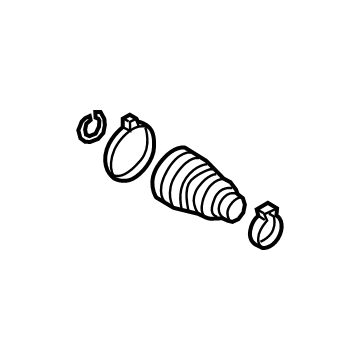
Volkswagen GTI Inner CV Joint Boot Part Number: 5Q0-498-201-H
$11.92 MSRP: $19.54You Save: $7.62 (39%)Ships in 1-2 Business Days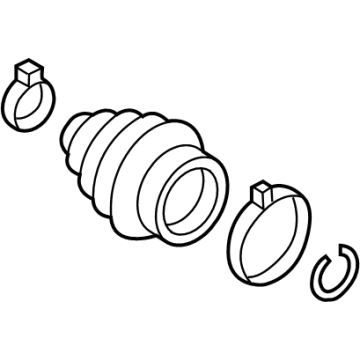
Volkswagen GTI Outer CV Joint Boot Part Number: 3Q0-498-203-A
$77.34 MSRP: $108.32You Save: $30.98 (29%)Ships in 1-2 Business Days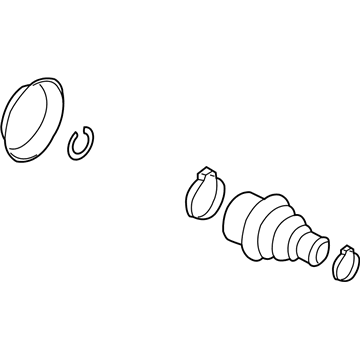
Volkswagen GTI Inner Boot Part Number: 1K0-498-201-H
$69.02 MSRP: $96.67You Save: $27.65 (29%)Ships in 1-2 Business Days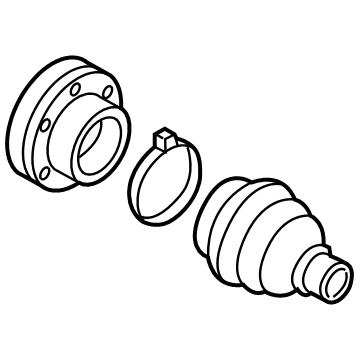
Volkswagen GTI Inner Boot Part Number: 7N0-498-201
$31.20 MSRP: $43.33You Save: $12.13 (28%)Ships in 1-2 Business Days
Volkswagen GTI CV Joint Boot
Choose OEM CV Joint Boot for superior quality and long-lasting durability. They match the Volkswagen's factory specifications exactly and pass strict quality control. If you plan to replace CV Joint Boot on your GTI, put OEM at the top of your list. You'll get the right fit, reliable performance, and peace of mind. We stock an extensive inventory of genuine Volkswagen GTI parts. It is easy to find what you need. You will love our competitive prices that help you save. No more hassle with returns or guesswork. Every part includes a warranty straight from the manufacturer. Get trusted quality, strong durability, and real value today.
Volkswagen GTI CV Joint Boot Parts and Q&A
- Q: How often should the CV Joint Boot be checked periodically on Volkswagen GTI?A:The steering linkage and all the suspension components ought to be periodically viewed because old and damaged parts might cause overuse of tires, low quality of ride, poor handling of the vehicle and low fuel economy. Here we start by parking the car on flat surface, dispensing the engine and engaging the parking brake followed by checking the tire pressure. Press on one side of the vehicle and push it off and watch the body move, it ought to cease after one or two bounces. In case it keeps moving or does not go to its starting position, then there is a possibility that there is a worn out or weak shock absorber. Check this at the other corners. Lift the vehicle using jackstands and check the shock absorbers to see whether there is fluid leakage and the fluid is that of the shocks. In case leakages are detected, change the shocks as a set. Ensure that the shocks are properly mounted and are not damaged, examine the upper mounts to ensure they are not worn or damaged and replace them when required. Physically examine the steering and suspension parts to see evidence of damage, searching out problems with seals, boots, bushings and leaks. Clean the lower part of the steering knuckle and have someone roll the wheel in and out and ensure that there is no movement at the steering knuckle-to-control arm ball joint, any movement would signify that the suspension ball joint(s) should be replaced. Check the edges of each front tire and observe any play of the steering system parts, should there be any, examine the steering gear mounts and tie rod ends and see whether they are loose. Finally, examine the driveaxle boots which cover the Constant Velocity (CV) joints against dirt and wear and tear, any sign of a crack or a lubricating fluid leak requires replacement.
Related Volkswagen GTI Parts
 Volkswagen GTI A/C Compressor
 Volkswagen GTI Door Lock Actuator
 Volkswagen GTI Exhaust Hanger
 Volkswagen GTI Hood Hinge
 Volkswagen GTI Idler Pulley
 Volkswagen GTI Oil Pressure Switch
 Volkswagen GTI Parking Brake Cable
 Volkswagen GTI Valve Cover
 Volkswagen GTI Valve Cover Gasket
 Volkswagen GTI Washer Pump
Browse by Year
2024 CV Joint Boot 2023 CV Joint Boot 2022 CV Joint Boot 2021 CV Joint Boot 2020 CV Joint Boot 2019 CV Joint Boot 2018 CV Joint Boot 2017 CV Joint Boot 2016 CV Joint Boot 2015 CV Joint Boot 2014 CV Joint Boot 2013 CV Joint Boot 2012 CV Joint Boot 2011 CV Joint Boot 2010 CV Joint Boot 2009 CV Joint Boot 2008 CV Joint Boot 2007 CV Joint Boot 2006 CV Joint Boot