×
- Hello
- Login or Register
- Quick Links
- Live Chat
- Track Order
- Parts Availability
- RMA
- Help Center
- Contact Us
- Shop for
- Volkswagen Parts

My Garage
My Account
Cart
Genuine Volkswagen Passat Camber and Alignment Kit
- Select Vehicle by Model
- Select Vehicle by VIN
Select Vehicle by Model
orMake
Model
Year
Select Vehicle by VIN
For the most accurate results, select vehicle by your VIN (Vehicle Identification Number).
63 Camber and Alignment Kits found
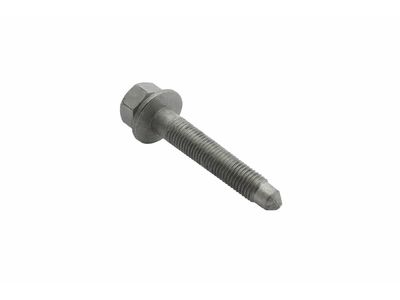
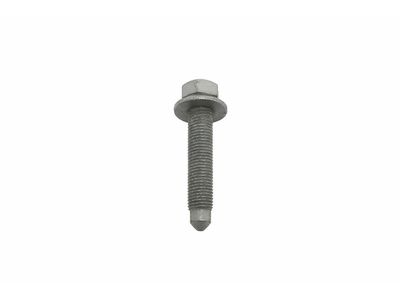
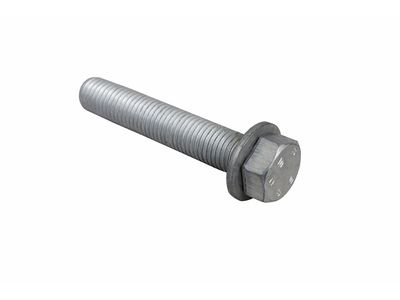
Volkswagen Passat Shock Bolt Part Number: WHT-003-467
$8.72 MSRP: $14.30You Save: $5.58 (40%)Ships in 1-2 Business Days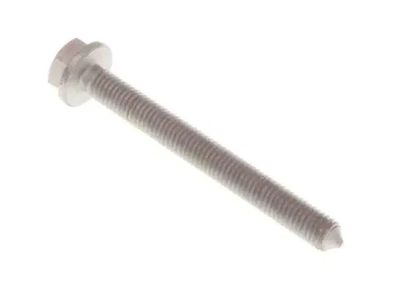
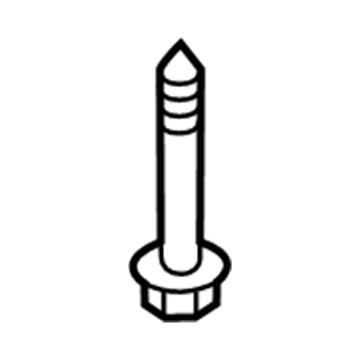
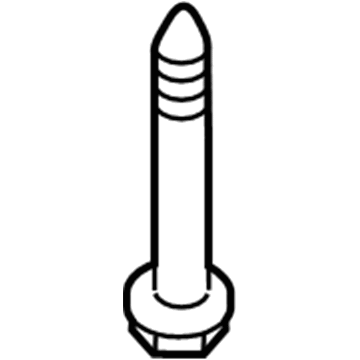
Volkswagen Passat Engine Cradle Bolt Part Number: N-910-734-01
$1.15 MSRP: $1.88You Save: $0.73 (39%)Ships in 1-2 Business Days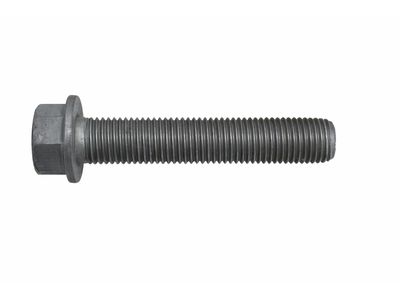
Volkswagen Passat Engine Cradle Mount Bolt Part Number: N-105-580-02
$2.64 MSRP: $4.32You Save: $1.68 (39%)Ships in 1-2 Business Days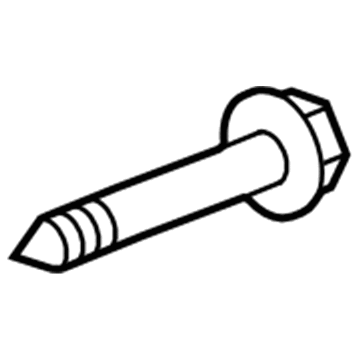
Volkswagen Passat Strut Bolt Part Number: N-909-548-02
$5.54 MSRP: $9.08You Save: $3.54 (39%)Ships in 1-2 Business Days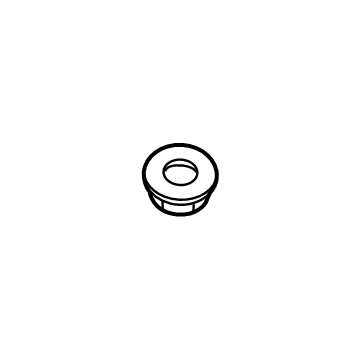
Volkswagen Passat Ball Joint Nut Part Number: N-103-320-02
$2.49 MSRP: $4.08You Save: $1.59 (39%)Ships in 1-2 Business Days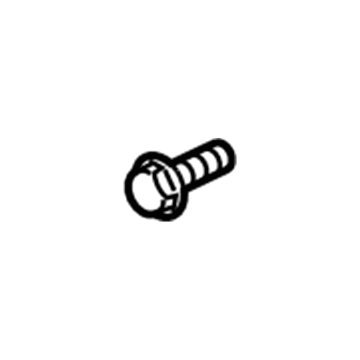
Volkswagen Passat Shock Mount Bolt Part Number: N-910-661-01
$0.65 MSRP: $1.06You Save: $0.41 (39%)Ships in 1-2 Business Days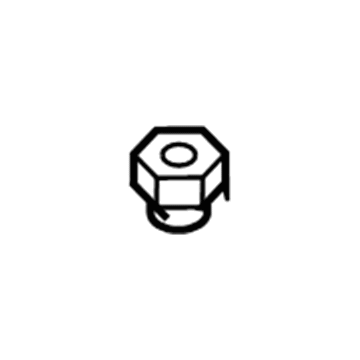
Volkswagen Passat Top Nut Part Number: N-909-429-02
$0.74 MSRP: $1.22You Save: $0.48 (40%)Ships in 1-2 Business Days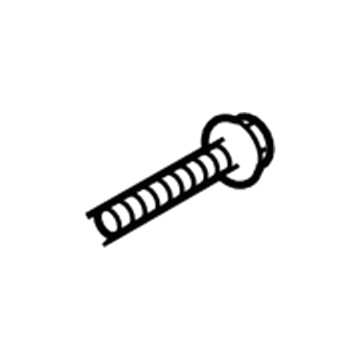
Volkswagen Passat Shock Bolt Part Number: N-106-286-01
$5.17 MSRP: $8.48You Save: $3.31 (40%)Ships in 1-2 Business Days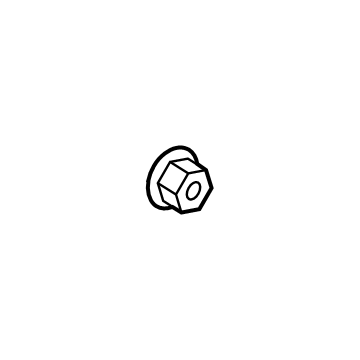
Volkswagen Passat Strut Nut Part Number: N-101-064-03
$3.65 MSRP: $5.98You Save: $2.33 (39%)Ships in 1-2 Business Days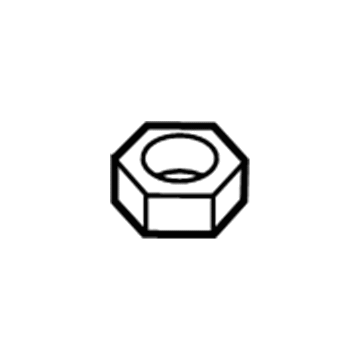
Volkswagen Passat Top Nut Part Number: N-103-041-02
$2.11 MSRP: $3.46You Save: $1.35 (40%)Ships in 1-2 Business Days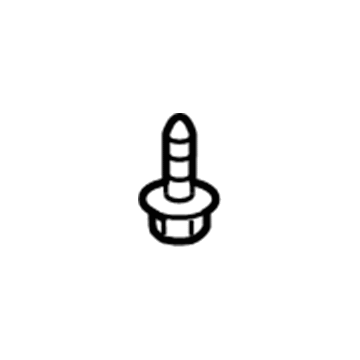
Volkswagen Passat Shock Mount Bolt Part Number: N-906-484-02
$1.34 MSRP: $2.20You Save: $0.86 (40%)Ships in 1-2 Business Days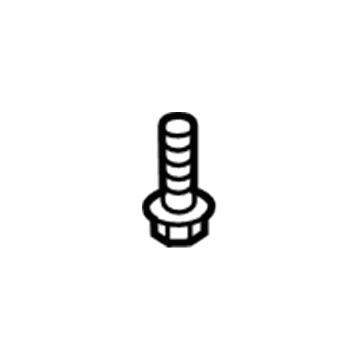
Volkswagen Passat Spacer Bolt Part Number: N-019-530-7
$4.45 MSRP: $7.30You Save: $2.85 (40%)Ships in 1-2 Business DaysVolkswagen Passat Lower Control Arm Nut Part Number: N-106-405-01
$2.64 MSRP: $4.32You Save: $1.68 (39%)Ships in 1-2 Business Days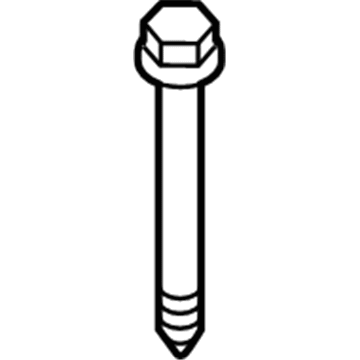
Volkswagen Passat Motor Mount Bolt Part Number: N-105-524-02
$1.61 MSRP: $2.20You Save: $0.59 (27%)Ships in 1-2 Business Days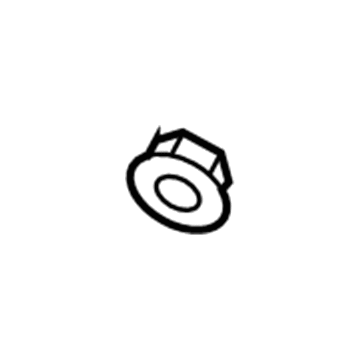
Volkswagen Passat Stabilizer Link Nut Part Number: N-102-861-10
$2.66 MSRP: $4.37You Save: $1.71 (40%)Ships in 1-2 Business Days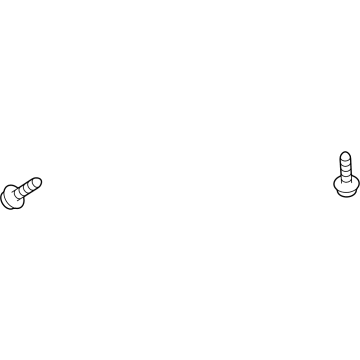
Volkswagen Passat Lower Control Arm Front Bolt Part Number: N-912-177-01
$10.08 MSRP: $16.52You Save: $6.44 (39%)Ships in 1-2 Business Days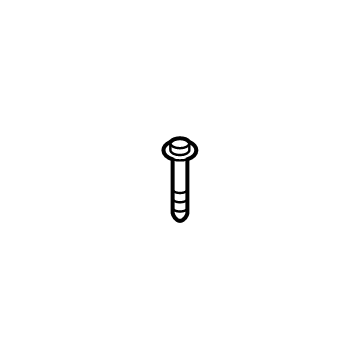
Volkswagen Passat Motor Mount Bolt Part Number: N-106-997-01
$0.60 MSRP: $0.98You Save: $0.38 (39%)Ships in 1-2 Business Days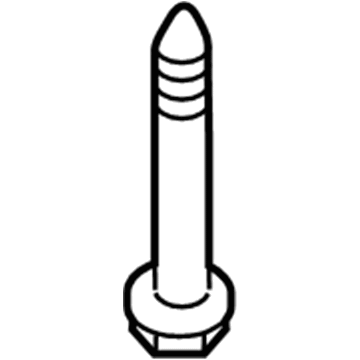
Volkswagen Passat Bracket Bolt Part Number: N-105-797-02
$1.82 MSRP: $2.98You Save: $1.16 (39%)Ships in 1-2 Business Days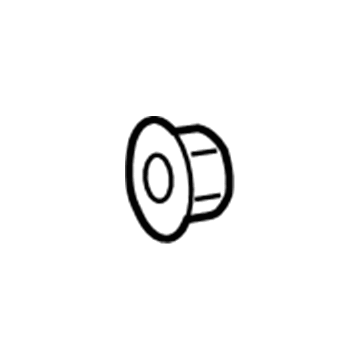
Volkswagen Passat Tie Rod Nut Part Number: N-104-018-01
$2.27 MSRP: $3.72You Save: $1.45 (39%)Ships in 1-2 Business Days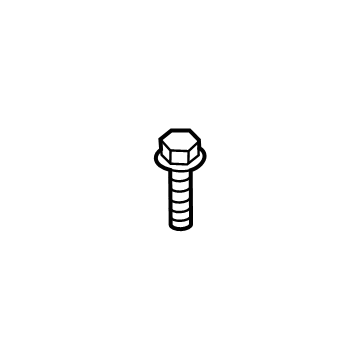
Volkswagen Passat Strut Bolt Part Number: N-912-464-01
$1.61 MSRP: $2.20You Save: $0.59 (27%)Ships in 1-2 Business Days
| Page 1 of 4 |Next >
1-20 of 63 Results
Volkswagen Passat Camber and Alignment Kit
Choose OEM Camber and Alignment Kit for superior quality and long-lasting durability. They match the Volkswagen's factory specifications exactly and pass strict quality control. If you plan to replace Camber and Alignment Kit on your Passat, put OEM at the top of your list. You'll get the right fit, reliable performance, and peace of mind. We stock an extensive inventory of genuine Volkswagen Passat parts. It is easy to find what you need. You will love our competitive prices that help you save. No more hassle with returns or guesswork. Every part includes a warranty straight from the manufacturer. Get trusted quality, strong durability, and real value today.
Volkswagen Passat Camber and Alignment Kit Parts and Q&A
- Q:What role does a Camber and Alignment Kit play in ensuring proper wheel alignment and its impact on vehicle control and tire wear on Volkswagen Passat?A:Wheel alignment is a practice of positioning the wheels to be in the right angular position with the suspension and the ground, and it is essential in control of the vehicle and reduction of tire life. Most of the front end angles are found as camber, caster and toe-in, but camber and caster are normally set during factory but verified during wear and damage, and the only adjustable angle at the front is the toe-in. There are no adjustable angles in the rear wheels in 2WD models, but rear toe-in should be identical on each side, and camber is checked to determine the presence of axes bent off. In all-wheel drive models, camber and toe-in can be adjusted, with camber being set by the lower Control Arm-to-rear knuckle bolt, and toe-in by the track rod-to-subframe bolt, both using eccentric washers. Proper wheel alignment is a process that demands special equipment and skills and as such, it is best to have a competent technician perform the operation. Learning the fundamentals of wheel alignment would help in understanding the language of service providers. The inward angle of the wheels is referred to as toe-in and these are kept at the same level, whereas the angle of the wheels compared to vertical is referred to as camber which will impact the tires in contact with the road. Caster refers to the inclination of the front steering axis with positive caster tilt being towards the rear and negative caster tilt being towards the front.

Related Volkswagen Passat Parts
 Volkswagen Passat Control Arm
 Volkswagen Passat Shock Absorber
 Volkswagen Passat Axle Beam
 Volkswagen Passat Axle Pivot Bushing
 Volkswagen Passat Coil Spring Insulator
 Volkswagen Passat Control Arm Bushing
 Volkswagen Passat Control Arm Nut
 Volkswagen Passat Radius Arm Bushing
 Volkswagen Passat Spindle Nut
 Volkswagen Passat Strut Housing
 Volkswagen Passat Sway Bar Bracket
 Volkswagen Passat Sway Bars
Browse by Year
2022 Camber and Alignment Kit 2021 Camber and Alignment Kit 2020 Camber and Alignment Kit 2019 Camber and Alignment Kit 2018 Camber and Alignment Kit 2017 Camber and Alignment Kit 2016 Camber and Alignment Kit 2015 Camber and Alignment Kit 2014 Camber and Alignment Kit 2013 Camber and Alignment Kit 2012 Camber and Alignment Kit 2010 Camber and Alignment Kit 2009 Camber and Alignment Kit 2008 Camber and Alignment Kit 2007 Camber and Alignment Kit 2006 Camber and Alignment Kit 2005 Camber and Alignment Kit 2004 Camber and Alignment Kit 2003 Camber and Alignment Kit 2002 Camber and Alignment Kit 2001 Camber and Alignment Kit 2000 Camber and Alignment Kit 1999 Camber and Alignment Kit 1998 Camber and Alignment Kit 1993 Camber and Alignment Kit 1992 Camber and Alignment Kit 1991 Camber and Alignment Kit 1990 Camber and Alignment Kit