×
- Hello
- Login or Register
- Quick Links
- Live Chat
- Track Order
- Parts Availability
- RMA
- Help Center
- Contact Us
- Shop for
- Volkswagen Parts

My Garage
My Account
Cart
Genuine Volkswagen Rabbit Brake Hose
Brake Line- Select Vehicle by Model
- Select Vehicle by VIN
Select Vehicle by Model
orMake
Model
Year
Select Vehicle by VIN
For the most accurate results, select vehicle by your VIN (Vehicle Identification Number).
7 Brake Hoses found
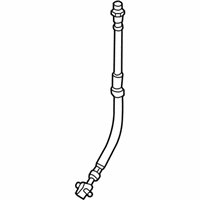
Volkswagen Rabbit Flex Hose Part Number: 1K0-611-775-C
$34.91 MSRP: $58.18You Save: $23.27 (40%)Ships in 1-2 Business Days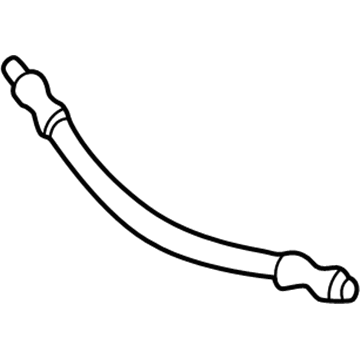
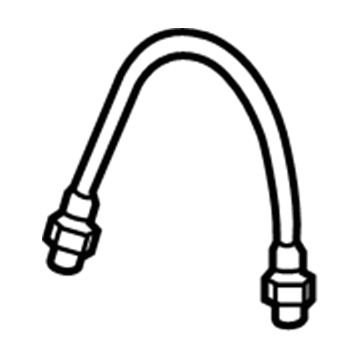
Volkswagen Rabbit Hose Part Number: BAT-611-775
$12.08 MSRP: $19.80You Save: $7.72 (39%)Ships in 1-2 Business Days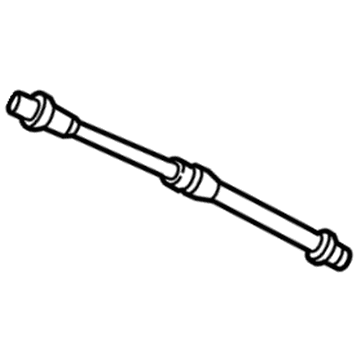
Volkswagen Rabbit Brake Hose Part Number: 1K0-611-701-L
$76.15 MSRP: $106.65You Save: $30.50 (29%)Ships in 1-2 Business Days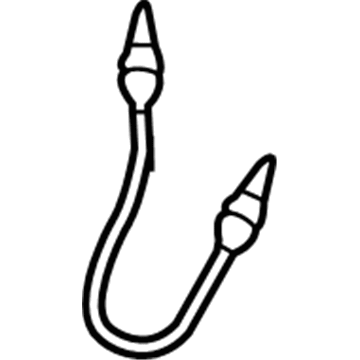
Volkswagen Rabbit Brake Line Part Number: 1K0-611-763-E
$77.34 MSRP: $108.32You Save: $30.98 (29%)Ships in 1-2 Business DaysVolkswagen Rabbit Brake Line Part Number: 1K0-611-764-L
$77.34 MSRP: $108.32You Save: $30.98 (29%)Ships in 1-2 Business Days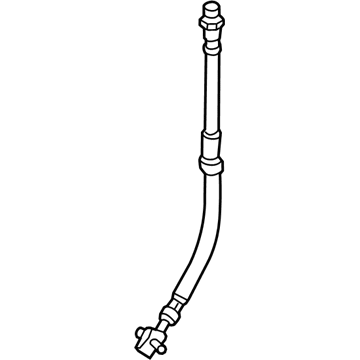
Volkswagen Rabbit Flex Hose Part Number: 1K0-611-701-K
$83.29 MSRP: $116.65You Save: $33.36 (29%)Ships in 1-2 Business Days
Volkswagen Rabbit Hose Part Number: 171-611-701-L
$48.34 MSRP: $67.13You Save: $18.79 (28%)
Volkswagen Rabbit Brake Hose
Choose OEM Brake Hose for superior quality and long-lasting durability. They match the Volkswagen's factory specifications exactly and pass strict quality control. If you plan to replace Brake Hose on your Rabbit, put OEM at the top of your list. You'll get the right fit, reliable performance, and peace of mind. We stock an extensive inventory of genuine Volkswagen Rabbit parts. It is easy to find what you need. You will love our competitive prices that help you save. No more hassle with returns or guesswork. Every part includes a warranty straight from the manufacturer. Get trusted quality, strong durability, and real value today.
Volkswagen Rabbit Brake Hose Parts and Q&A
- Q: How to inspect and replace brake hoses and metal brake lines in a vehicle's brake system on Volkswagen Rabbit?A:After the vehicle is raised on jackstands and the rubber hoses that attach the steel brake lines to the front and back brake assemblies have been inspected annually against cracks, chafing, leaking, blisters, etc. since they are vital parts of the brake system. Give a complete examination with a light and mirror, and get new hoses wherever they are broken. In order to change a front brake hose, it is enough to unscrew wheel bolts, lift the vehicle, and take the wheel out. Mark the location of the fitting tabs of the hose to the frame bracket to avoid rotating. Install the hose fitting with an open-end wrench and loosen the fitting of the brake line with a flare-nut wrench to prevent a rounding-off of the nut, ensuring that the spring clip is not lost. At the caliper end, loosen the inlet fitting bolt and get rid of the old sealing washers and loosen the brake hose. Take out the spring clip on the bracket on the bottom of the strut and pull out the hose. To install, insert the new hose into the bracket, install the spring clip using new sealing washers and make sure that the hose is not twisted when tightening the inlet fitting bolt at the caliper. Install the brake line fitting by connecting the threads with your fingers and fixing the spring clip, and then screwing it down very firmly. Drain the caliper, fix the wheel and screwdriver, lower the vehicle and fix the screwdriver. In the case of the rear brake hose, which is fitted at both ends with spring clips, hold the fitting of the hose with an open end wrench, unscrew the fitting of the brake line and then use a pair of pliers to loosen the spring clip. On the caliper end, unscrew the hose fitting with a flare nut wrench, and connect and screw it back. To fit models having rear drum brakes, you unscrew the brake line fitting off the wheel cylinder and de-fit the line off plastic clips in the rear axle. The opposite of the removal is installation; be sure that the line is tightened, and cleanse the caliper or the wheel cylinder where the replaced line was fed. Lastly, roll on the wheel and bolts, lower the vehicle and tighten the bolts. The replacement of metal brake lines should be made with the right parts not with copper tubing, but with real steel brake lines. Auto parts stores stock prefabricated brake lines that have ends made of flared tubing and provided with fittings. Verify the support of the new line is well supported in brackets with sufficient clearance of the moving or hot parts, verify the level of the master cylinder fluid, and add fluid as needed, drain brake system, and test brakes thoroughly then drive.