×
- Hello
- Login or Register
- Quick Links
- Live Chat
- Track Order
- Parts Availability
- RMA
- Help Center
- Contact Us
- Shop for
- Volkswagen Parts

My Garage
My Account
Cart
Genuine Volkswagen Cabrio Alternator
Generator- Select Vehicle by Model
- Select Vehicle by VIN
Select Vehicle by Model
orMake
Model
Year
Select Vehicle by VIN
For the most accurate results, select vehicle by your VIN (Vehicle Identification Number).
2 Alternators found
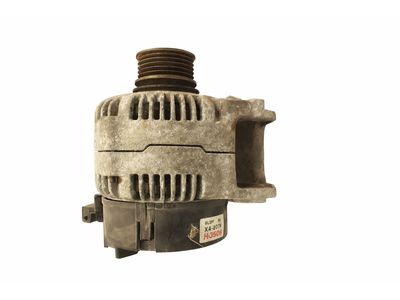
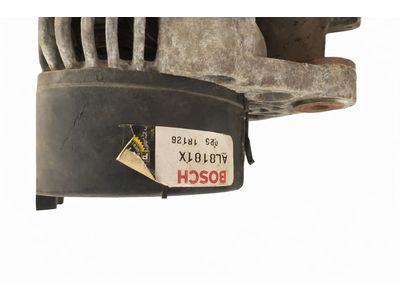
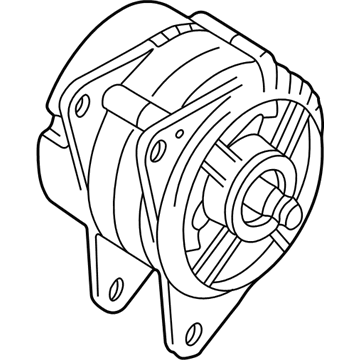
Volkswagen Cabrio Alternator Part Number: 028-903-025-H
$352.76 MSRP: $444.85You Save: $92.09 (21%)Ships in 1-2 Business Days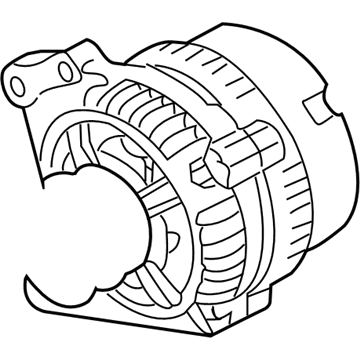
Volkswagen Cabrio Alternator Part Number: 028-903-018-AX
$480.26 MSRP: $600.32You Save: $120.06 (20%)Ships in 1-2 Business Days
Volkswagen Cabrio Alternator
Choose OEM Alternator for superior quality and long-lasting durability. They match the Volkswagen's factory specifications exactly and pass strict quality control. If you plan to replace Alternator on your Cabrio, put OEM at the top of your list. You'll get the right fit, reliable performance, and peace of mind. We stock an extensive inventory of genuine Volkswagen Cabrio parts. It is easy to find what you need. You will love our competitive prices that help you save. No more hassle with returns or guesswork. Every part includes a warranty straight from the manufacturer. Get trusted quality, strong durability, and real value today.
Volkswagen Cabrio Alternator Parts and Q&A
- Q:What should be considered regarding safety before starting work on the ignition warning light and alternator on Volkswagen Cabrio?A:The warnings on safety must also be considered before going to work. When the ignition is switched on the ignition warning light fails to light, make sure that the wiring connections of the alternator have been securely connected. When they are satisfactory, make sure the warning light bulb has not been blown and the bulb-holder is firmly attached to the instrument panel. In case the light still remains dark, then test the continuity of warning light feed wire between the alternator and the bulb-holder. Should all be well then it could be the alternator which is faulty and should be replaced or be sent to auto-electrician to test and fix. In case the ignition warning light goes on when the engine is still running, turn the engine off and ensure the drivebelt is properly adjusted and that the alternator cords are properly connected. In the event that they are satisfactory, inspect the alternator slip rings and brushes. In case the problem continues, the alternator is to be changed or sent to an auto-electrician to check and repair it. In case the alternator output is doubted even with the warning light working well, the controlled voltage needs to be tested by placing a voltmeter through the battery terminals and by turning the engine on. Turn on the starter; and slowly increase the engine speed to the point where the voltmeter indicates a steady current; say 12 to 13 volts, but not more than 14 volts. Turn on as many electrical items as you can and have the alternator set at the regulated voltage of between 13 and 14 volts. Outside this voltage range, the fault could be caused by worn brushes, weak brush springs, defective voltage regulator, defective diode or broken phase winding or by damaged or worn slip rings. The brushes and slip rings can be inspected, and in the event that the problem persists then the alternator needs to be replaced or taken to an auto-electrician and tested and serviced.
- Q:How to remove and install an alternator on Volkswagen Cabrio?A:To install the alternator, you have to first of all disconnect the battery negative cable and place it out of position of the terminal, you should also have the correct activation code of the stereo in case it has an anti-theft system. The next step to follow is to take off the drivebelt on the alternator pulley and the sense cable on the alternator connector. Now, take out the protective cap, unscrew and take out the nut and washers, and unscrew and disconnect the power cable at the screw terminal post on the alternator, removing the cable guide where it may be necessary. Then loosen and remove the lower and upper mounting bolts, pull the alternator off the mounting bracket, and move the tensioner roller aside, perhaps, so as to reach the lower mounting bolt. The brush holder/voltage regulator module should be removed in case it is necessary. To install, the reverse of removal will be required but also make sure to tension out the drivebelt, and lastly, tighten the alternator mounting bolts to the required torque.
Related Volkswagen Cabrio Parts
 Volkswagen Cabrio Alternator Bracket
 Volkswagen Cabrio Alternator Pulley
 Volkswagen Cabrio Armature
 Volkswagen Cabrio Battery Cable
 Volkswagen Cabrio Battery Hold Downs
 Volkswagen Cabrio Battery Tray
 Volkswagen Cabrio Ground Cables
 Volkswagen Cabrio Idler Pulley
 Volkswagen Cabrio Starter
 Volkswagen Cabrio Starter Drive Gear
 Volkswagen Cabrio Starter Solenoid
 Volkswagen Cabrio Voltage Regulator