×
- Hello
- Login or Register
- Quick Links
- Live Chat
- Track Order
- Parts Availability
- RMA
- Help Center
- Contact Us
- Shop for
- Volkswagen Parts

My Garage
My Account
Cart
Genuine Volkswagen Golf Clutch Slave Cylinder
- Select Vehicle by Model
- Select Vehicle by VIN
Select Vehicle by Model
orMake
Model
Year
Select Vehicle by VIN
For the most accurate results, select vehicle by your VIN (Vehicle Identification Number).
9 Clutch Slave Cylinders found
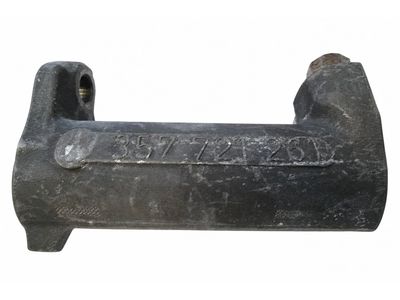
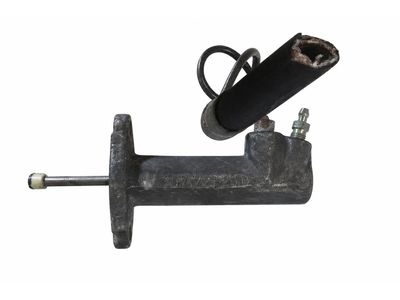
Volkswagen Golf Slave Cylinder Part Number: 357-721-261-A
$168.98 MSRP: $236.67You Save: $67.69 (29%)Ships in 1-2 Business Days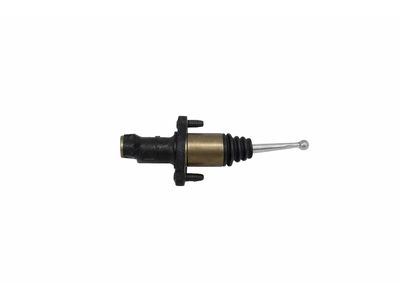
Volkswagen Golf Master Cylinder Part Number: 1H1-721-401
$117.81 MSRP: $165.00You Save: $47.19 (29%)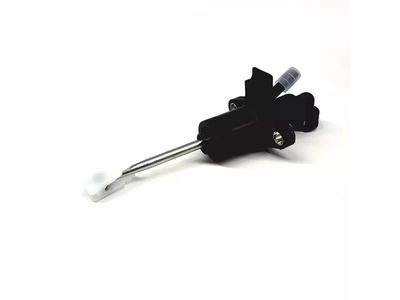
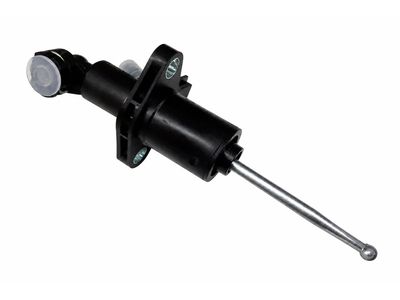
Volkswagen Golf Master Cylinder Part Number: 1J1-721-388-G
$165.30 MSRP: $231.51You Save: $66.21 (29%)Ships in 1-2 Business Days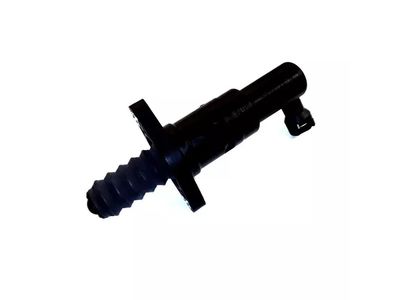
Volkswagen Golf Slave Cylinder Part Number: 1K0-721-261-AL
$166.61 MSRP: $233.35You Save: $66.74 (29%)Ships in 1-2 Business Days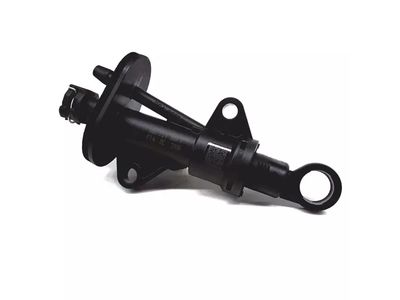
Volkswagen Golf Master Cylinder Part Number: 5Q0-721-388-H
$185.54 MSRP: $259.86You Save: $74.32 (29%)Ships in 1-2 Business Days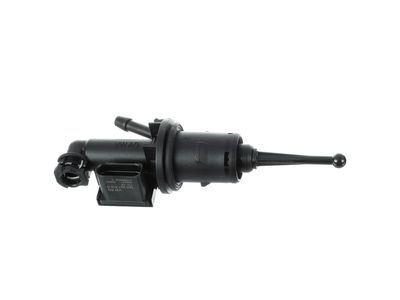
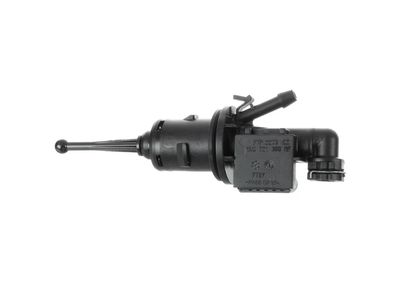
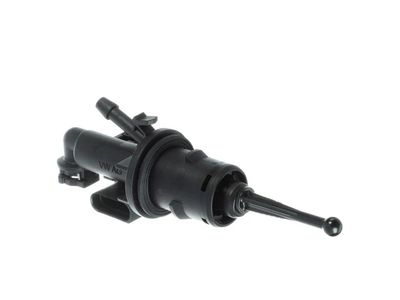
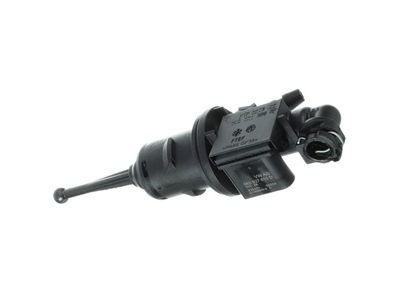
Volkswagen Golf Master Cylinder Part Number: 1K0-721-388-AF
$174.92 MSRP: $244.98You Save: $70.06 (29%)Ships in 1-2 Business Days
Volkswagen Golf Cylinder Part Number: 1J0-721-261-P
$163.99 MSRP: $229.67You Save: $65.68 (29%)Ships in 1-2 Business DaysVolkswagen Golf Master Cylinder Part Number: 857-721-401-A
$133.24 MSRP: $186.62You Save: $53.38 (29%)Volkswagen Golf Slave Cylinder Part Number: 1K0-721-261-AM
$175.80 MSRP: $246.21You Save: $70.41 (29%)Ships in 1-2 Business Days
Volkswagen Golf Clutch Slave Cylinder
Choose OEM Clutch Slave Cylinder for superior quality and long-lasting durability. They match the Volkswagen's factory specifications exactly and pass strict quality control. If you plan to replace Clutch Slave Cylinder on your Golf, put OEM at the top of your list. You'll get the right fit, reliable performance, and peace of mind. We stock an extensive inventory of genuine Volkswagen Golf parts. It is easy to find what you need. You will love our competitive prices that help you save. No more hassle with returns or guesswork. Every part includes a warranty straight from the manufacturer. Get trusted quality, strong durability, and real value today.
Volkswagen Golf Clutch Slave Cylinder Parts and Q&A
- Q:What precautions should be taken when disconnecting the battery and removing the Clutch Slave Cylinder from the transaxle on Volkswagen Golf?A:If the battery is disconnected, several systems must be re-learned before they will work properly. The clutch release cylinder may also be referred to as the slave cylinder. On 5-speed models, the release cylinder is located on the top of the transaxle housing and access is from the engine compartment. On 6-speed models, the release cylinder and release bearing are a single unit, located in the bell housing of the transaxle. Begin by disconnecting the cable from the negative terminal of the battery. Next, remove the engine top cover/air filter assembly, followed by the battery and battery tray. If needed, disconnect the gear selector cables from the gear selector levers, remove the clip, and take out the relay lever. Unscrew the nut and remove the selector lever from the top of the transaxle, then remove the bolts and the shift cable bracket. Remove the transaxle support bracket mounting fasteners and bracket, keeping rags handy as some fluid will spill when the line is disconnected. Pull the fluid pipe retaining clip from the union on the release cylinder, then pull the pipe from the union. Remove the release cylinder mounting bolts and take out the release cylinder from the transaxle. For installation, lubricate the end of the pushrod with copper grease and apply lithium-base grease to the area of the boot that seats in the bore in the transaxle. Install the release cylinder, ensuring it is inserted straight into its bore to allow the pushrod to seat properly. Connect the pressure line to the cylinder, insert the clip, and ensure the line is securely attached. Install the release cylinder mounting bolt and tighten it to the specified torque. The remainder of the installation follows the reverse order of removal, with additional steps including bleeding the system, checking the fluid level in the brake fluid reservoir and adding as necessary, and washing off any spilled brake fluid with water.
Related Volkswagen Golf Parts
 Volkswagen Golf Clutch Cable
 Volkswagen Golf Clutch Fork
 Volkswagen Golf Clutch Hydraulic Lines
 Volkswagen Golf Clutch Master Cylinder
 Volkswagen Golf Clutch Master Repair Kit
 Volkswagen Golf Clutch Release Bearing
 Volkswagen Golf Clutch Slave Repair Kit
 Volkswagen Golf Flywheel
 Volkswagen Golf Pressure Plate
 Volkswagen Golf Torque Converter
 Volkswagen Golf Transmission Assembly
 Volkswagen Golf Valve Body
Browse by Year
2021 Clutch Slave Cylinder 2020 Clutch Slave Cylinder 2019 Clutch Slave Cylinder 2018 Clutch Slave Cylinder 2017 Clutch Slave Cylinder 2016 Clutch Slave Cylinder 2015 Clutch Slave Cylinder 2014 Clutch Slave Cylinder 2013 Clutch Slave Cylinder 2012 Clutch Slave Cylinder 2011 Clutch Slave Cylinder 2010 Clutch Slave Cylinder 2006 Clutch Slave Cylinder 2005 Clutch Slave Cylinder 2004 Clutch Slave Cylinder 2003 Clutch Slave Cylinder 2002 Clutch Slave Cylinder 2001 Clutch Slave Cylinder 2000 Clutch Slave Cylinder 1999 Clutch Slave Cylinder 1998 Clutch Slave Cylinder 1997 Clutch Slave Cylinder 1994 Clutch Slave Cylinder 1992 Clutch Slave Cylinder 1991 Clutch Slave Cylinder