×
- Hello
- Login or Register
- Quick Links
- Live Chat
- Track Order
- Parts Availability
- RMA
- Help Center
- Contact Us
- Shop for
- Volkswagen Parts

My Garage
My Account
Cart
Genuine Volkswagen Jetta Brake Shoe Set
Brake Shoe- Select Vehicle by Model
- Select Vehicle by VIN
Select Vehicle by Model
orMake
Model
Year
Select Vehicle by VIN
For the most accurate results, select vehicle by your VIN (Vehicle Identification Number).
3 Brake Shoe Sets found
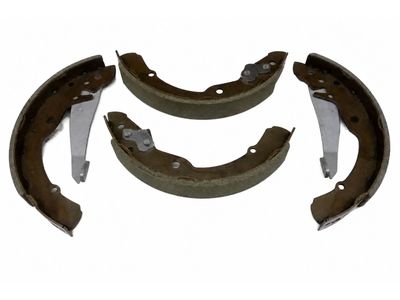
Volkswagen Jetta Shoes Part Number: 5C0-698-545
$260.09 MSRP: $327.98You Save: $67.89 (21%)Ships in 1-2 Business Days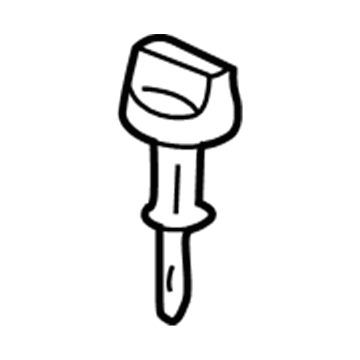
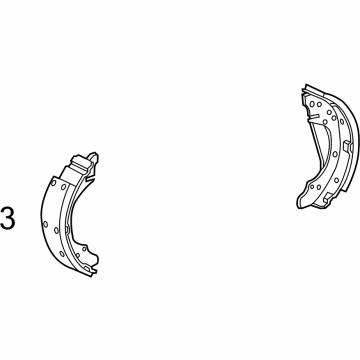
Volkswagen Jetta Clamp Part Number: 811-609-525-E
$37.76 MSRP: $52.45You Save: $14.69 (29%)Ships in 1-2 Business Days
Volkswagen Jetta Shoes Part Number: 1H0-698-520-X
$102.48 MSRP: $131.82You Save: $29.34 (23%)Ships in 1-2 Business Days
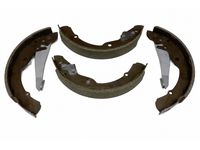
Volkswagen Jetta Brake Shoe Set
Choose OEM Brake Shoe Set for superior quality and long-lasting durability. They match the Volkswagen's factory specifications exactly and pass strict quality control. If you plan to replace Brake Shoe Set on your Jetta, put OEM at the top of your list. You'll get the right fit, reliable performance, and peace of mind. We stock an extensive inventory of genuine Volkswagen Jetta parts. It is easy to find what you need. You will love our competitive prices that help you save. No more hassle with returns or guesswork. Every part includes a warranty straight from the manufacturer. Get trusted quality, strong durability, and real value today.
Volkswagen Jetta Brake Shoe Set Parts and Q&A
- Q:How to install a Brake Shoe Set for the rear brakes on Volkswagen Jetta?A:Lift the rear of the car and place it on jackstands and chock the front-wheel to make it stand. Unscrew the screw holding the brake drum onto the hub, and slide the drum off the hub. The shoe retraction step is no exception as the shoe retractor is held in place using a screwdriver by lifting up the wedge of the adjuster in the instance of a stuck drum. Wipe the brake assembly using brake system cleaner and make sure that it dries. Take the measurement of the thickness of the friction material in each of the brake shoes; in case one of the shoes is worn down to the minimum thickness or even less, change the entire set of four shoes. Wipe off oily or greasy shoes, and work on any disproportionate wear or contamination prior to reassembling. Installation of brake drum will take place provided the parts are in fine condition. Record the location of the brake shoes and springs and take off the hold-down cups and springs. For this, take the shoes out at the lower pivot, un-zip the lower return spring, and very carefully take the upper end of both shoes out of their positions in the Wheel Cylinders. Disconnect the Parking Brake Cable and worked the brake shoe assembly out of place around the backing plate, but not to the point of depressing the brake pedal until the reassembling process. Record the proper position of all parts, loosen the upper return spring and detach the adjuster wedge spring. Take the pushrod out of the trailing shoe and inspect every part of the pushrod, replacing where needed. Examine the wheel cylinder to see whether it has been leaking and also test whether the pistons are free to move. On contact points apply high-temperature brake grease, attach the locating spring to the leading shoe hook, place the pushrod in, and fit the adjuster wedge properly. Find the parking brake lever on the trailing shoe, and attach the upper return spring, and connect the spring to the adjuster wedge. Wipe out the backup plate and sprinkle high temperature brake grease thinly to areas of the shoe contacts without touching on the friction material. Take the rubber band off the wheel cylinder and fit in the shoe assembly, hooking up the parking brake cable and putting the shoes in the piston slots of the wheel cylinder. Then fit the lower return spring, centralize the shoes by means of the backing plate, and fix them using hold-down pins and springs. Install the retaining screw and brake drum and then the same on the other rear brake. Look at the cracks or other damages in the drum, and get it resurfaced. Once the two sets of rear shoes have been changed, install the brake drums and adjust the lining-to-drum clearance, by pushing on the brake pedal until the normal pressure level is attained. Lastly, verify and verify the parking brake and the level of brake fluid in the car, remembering that new shoes will need a bedding-in period before they are completely effective in terms of braking.
Related Volkswagen Jetta Parts
 Volkswagen Jetta ABS Sensor
 Volkswagen Jetta ABS Pump And Motor Assembly
 Volkswagen Jetta ABS Reluctor Ring
 Volkswagen Jetta Brake Bleeder Screw
 Volkswagen Jetta Brake Booster Vacuum Hose
 Volkswagen Jetta Brake Caliper Bolt
 Volkswagen Jetta Brake Caliper Bracket
 Volkswagen Jetta Brake Controller
 Volkswagen Jetta Brake Line
 Volkswagen Jetta Brake Pad Sensor
 Volkswagen Jetta Hydraulic Hose
 Volkswagen Jetta Parking Brake Actuator
Browse by Year
2012 Brake Shoe Set 2011 Brake Shoe Set 1999 Brake Shoe Set 1998 Brake Shoe Set 1997 Brake Shoe Set 1996 Brake Shoe Set 1995 Brake Shoe Set 1994 Brake Shoe Set 1993 Brake Shoe Set 1992 Brake Shoe Set 1991 Brake Shoe Set 1990 Brake Shoe Set 1989 Brake Shoe Set 1988 Brake Shoe Set 1987 Brake Shoe Set 1986 Brake Shoe Set 1985 Brake Shoe Set 1984 Brake Shoe Set