×
- Hello
- Login or Register
- Quick Links
- Live Chat
- Track Order
- Parts Availability
- RMA
- Help Center
- Contact Us
- Shop for
- Volkswagen Parts

My Garage
My Account
Cart
Genuine Volkswagen Jetta Wheel Cylinder
Brake Wheel Cylinder- Select Vehicle by Model
- Select Vehicle by VIN
Select Vehicle by Model
orMake
Model
Year
Select Vehicle by VIN
For the most accurate results, select vehicle by your VIN (Vehicle Identification Number).
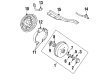
3 Wheel Cylinders found
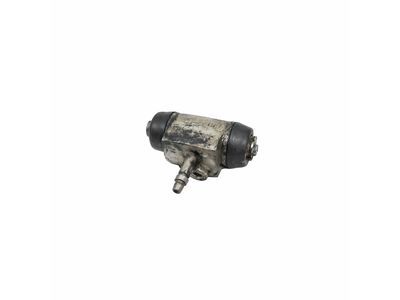
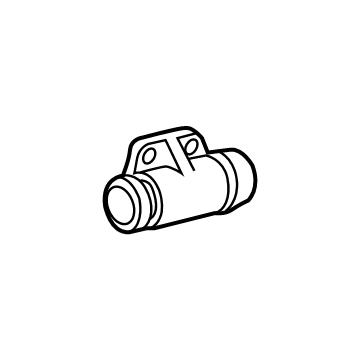
Volkswagen Jetta Wheel Cylinder Part Number: 5C0-611-053-A
$57.06 MSRP: $79.24You Save: $22.18 (28%)Ships in 1-2 Business Days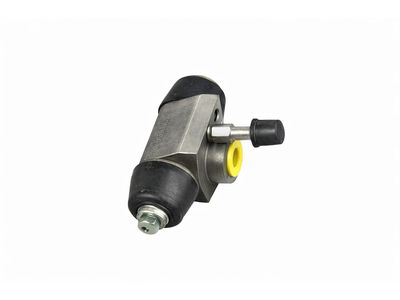
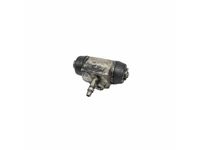
Volkswagen Jetta Wheel Cylinder Part Number: 6Q0-611-053-B
$53.92 MSRP: $74.89You Save: $20.97 (28%)Ships in 1-2 Business Days
Volkswagen Jetta Wheel Cylinder Part Number: 1H0-611-053-B
$43.56 MSRP: $60.50You Save: $16.94 (28%)
Volkswagen Jetta Wheel Cylinder
Choose OEM Wheel Cylinder for superior quality and long-lasting durability. They match the Volkswagen's factory specifications exactly and pass strict quality control. If you plan to replace Wheel Cylinder on your Jetta, put OEM at the top of your list. You'll get the right fit, reliable performance, and peace of mind. We stock an extensive inventory of genuine Volkswagen Jetta parts. It is easy to find what you need. You will love our competitive prices that help you save. No more hassle with returns or guesswork. Every part includes a warranty straight from the manufacturer. Get trusted quality, strong durability, and real value today.
Volkswagen Jetta Wheel Cylinder Parts and Q&A
- Q:How to remove and install a wheel cylinder on a brake drum on Volkswagen Jetta?A:Removing the brake drum To take the brake drum, spray the brake assembly with brake cleaner and then empty the lubricant in a drip pan. With pliers carefully dislock the upper brake shoe return spring and take it out of both brake shoes then pull away the upper ends of the shoes out of the wheel cylinder to disconnect them to the pistons. Reduce the loss of fluids by limiting the reservoir cap of the master cylinder by covering it with cellophane. Assuming you have one, a flare nut wrench; loosen the nut screw of the brake line fitting at the wheel cylinder, then take the line out, very carefully and wipe the end off so as not to get dirt in it. Undo the retaining bolt of the wheel cylinder at the rear of the backing plate and remove the cylinder and be sure not to spill the brake fluid on the linings of the brake shoes. To install, the mating surfaces of the backing plate and the wheel cylinder should be clean, the brake shoes should be spread, and the wheel cylinder should be installed. Connect the brake line with screwing in the fitting nut a few turns to make sure that the thread is engaged and then install the wheel cylinder retaining bolt and tighten it to the required torque, fastening the fitting nut of the brake line. Take cellophane out of the master cylinder reservoir cap, make sure that the brake shoe is in the right position in the cylinder pistons and attach the brake shoe upper return spring with a screwdriver. Lastly, install the drum and bleed the brake hydraulic system, but this time care should be taken not to lose much fluid, and that should only require bleeding the concerned rear brake.
Related Volkswagen Jetta Parts
 Volkswagen Jetta Brake Pads
 Volkswagen Jetta ABS Control Module
 Volkswagen Jetta Brake Booster Vacuum Hose
 Volkswagen Jetta Brake Caliper Bracket
 Volkswagen Jetta Brake Caliper Repair Kit
 Volkswagen Jetta Brake Controller
 Volkswagen Jetta Brake Line
 Volkswagen Jetta Brake Master Cylinder Reservoir
 Volkswagen Jetta Hydraulic Hose
 Volkswagen Jetta Parking Brake Actuator
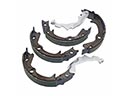 Volkswagen Jetta Parking Brake Shoes
 Volkswagen Jetta Transmission Sensor