×
- Hello
- Login or Register
- Quick Links
- Live Chat
- Track Order
- Parts Availability
- RMA
- Help Center
- Contact Us
- Shop for
- Volkswagen Parts

My Garage
My Account
Cart
Genuine Volkswagen Passat Blower Motor
A/C Heater Blower Motor- Select Vehicle by Model
- Select Vehicle by VIN
Select Vehicle by Model
orMake
Model
Year
Select Vehicle by VIN
For the most accurate results, select vehicle by your VIN (Vehicle Identification Number).
13 Blower Motors found
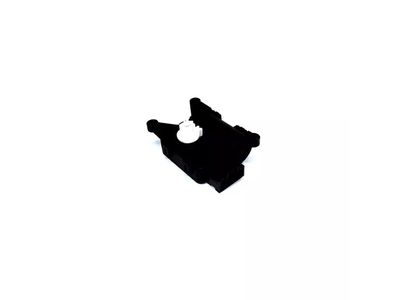
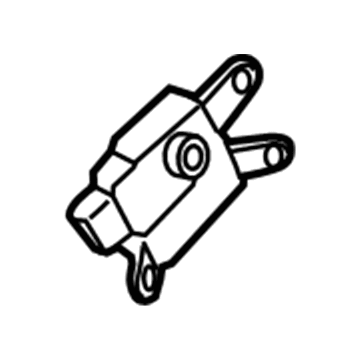
Volkswagen Passat Adjust Motor Part Number: 561-907-511-A
$124.94 MSRP: $174.98You Save: $50.04 (29%)Ships in 1-2 Business Days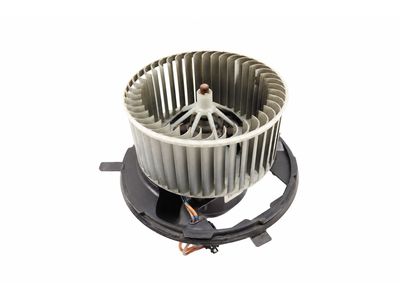
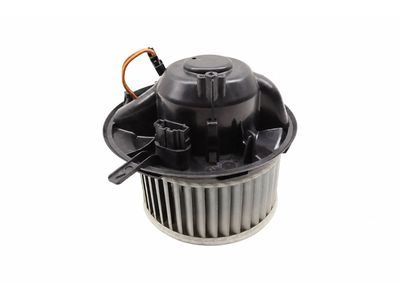
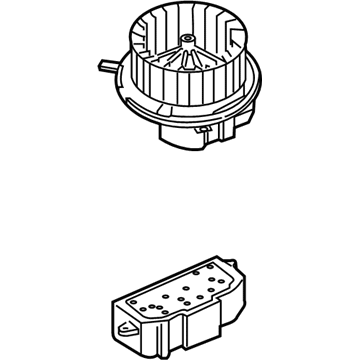
Volkswagen Passat Blower Motor Part Number: 561-820-015-E
$199.91 MSRP: $279.98You Save: $80.07 (29%)Ships in 1-2 Business Days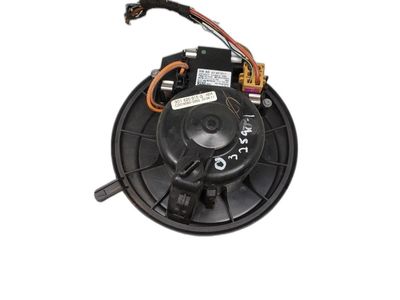
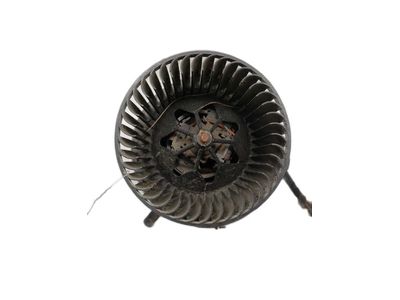
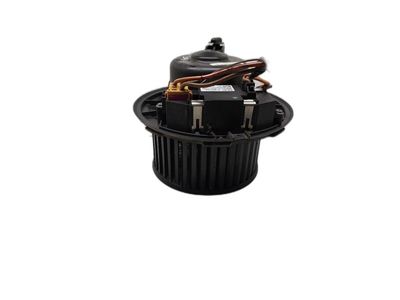
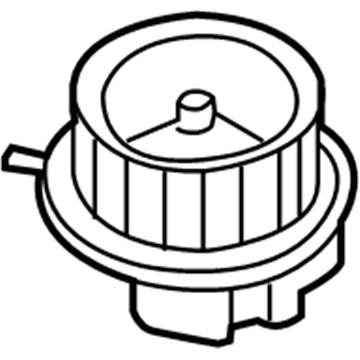
Volkswagen Passat Blower Motor Part Number: 3C1-820-015-P
$306.71 MSRP: $419.00You Save: $112.29 (27%)Ships in 1-2 Business Days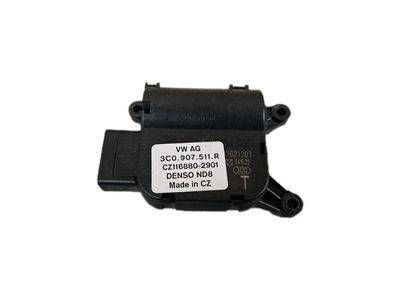
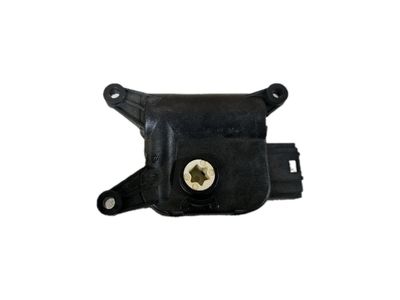
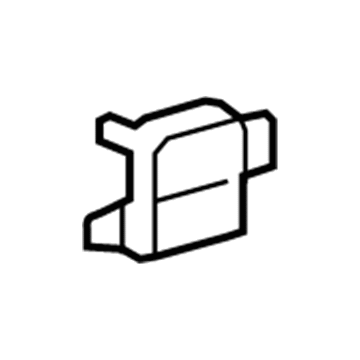
Volkswagen Passat Adjust Motor Part Number: 3C0-907-511-R
$95.68 MSRP: $134.00You Save: $38.32 (29%)Ships in 1-2 Business Days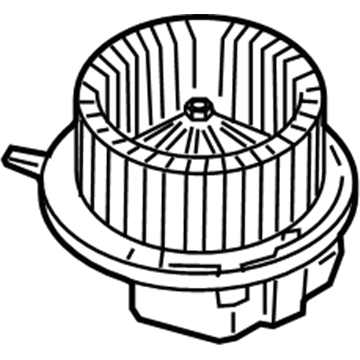
Volkswagen Passat Blower Motor Part Number: 1K1-819-015-F
$280.59 MSRP: $383.32You Save: $102.73 (27%)Ships in 1-2 Business Days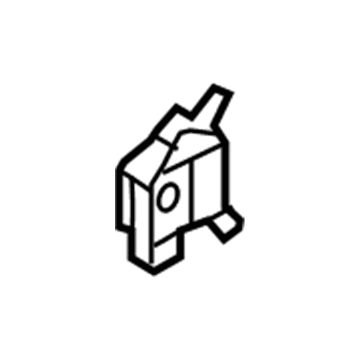
Volkswagen Passat Adjust Motor Part Number: 3C0-907-511-T
$94.96 MSRP: $133.00You Save: $38.04 (29%)Ships in 1-2 Business Days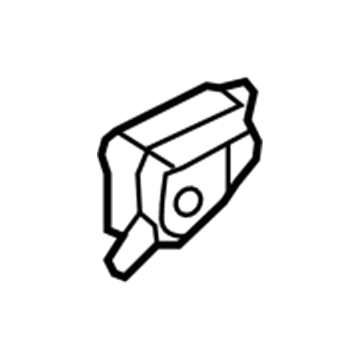
Volkswagen Passat Adjust Motor Part Number: 3C1-907-511-G
$95.68 MSRP: $134.00You Save: $38.32 (29%)Ships in 1-2 Business Days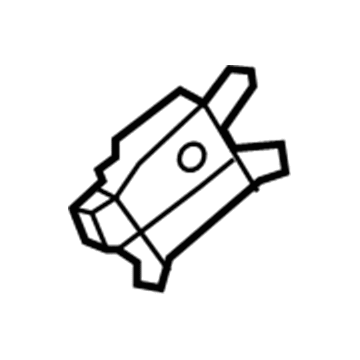
Volkswagen Passat Adjust Motor Part Number: 3C1-907-511-F
$98.53 MSRP: $138.00You Save: $39.47 (29%)Ships in 1-2 Business Days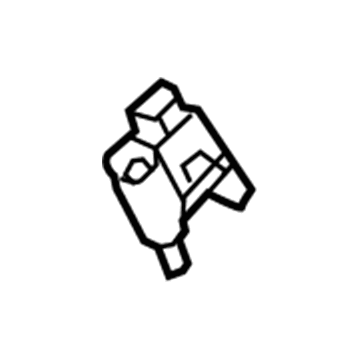
Volkswagen Passat Adjust Motor Part Number: 3C1-907-511-H
$98.77 MSRP: $138.33You Save: $39.56 (29%)Ships in 1-2 Business Days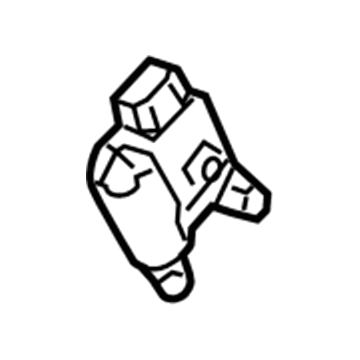
Volkswagen Passat Control Valve Part Number: 3C0-907-511-S
$188.01 MSRP: $263.32You Save: $75.31 (29%)Ships in 1-2 Business Days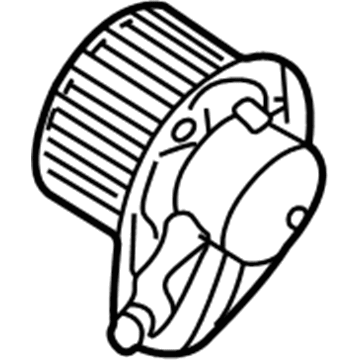
Volkswagen Passat Blower Motor Part Number: 8D1-820-021-C
$236.81 MSRP: $331.67You Save: $94.86 (29%)Ships in 1-2 Business Days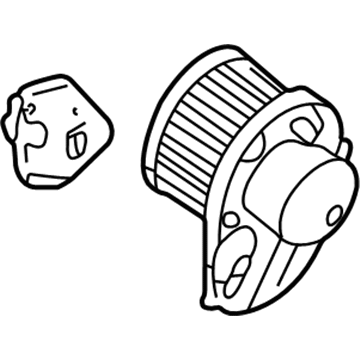
Volkswagen Passat Blower Motor Part Number: 8D1-820-021-B
$458.79 MSRP: $626.77You Save: $167.98 (27%)Ships in 1-2 Business Days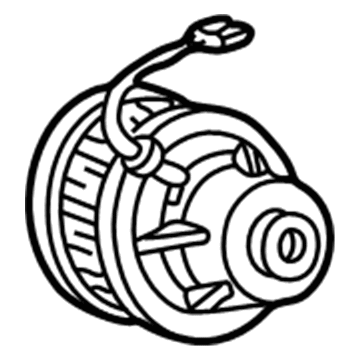
Volkswagen Passat Blower Motor Part Number: 701-819-021-B
Volkswagen Passat Blower Motor
Choose OEM Blower Motor for superior quality and long-lasting durability. They match the Volkswagen's factory specifications exactly and pass strict quality control. If you plan to replace Blower Motor on your Passat, put OEM at the top of your list. You'll get the right fit, reliable performance, and peace of mind. We stock an extensive inventory of genuine Volkswagen Passat parts. It is easy to find what you need. You will love our competitive prices that help you save. No more hassle with returns or guesswork. Every part includes a warranty straight from the manufacturer. Get trusted quality, strong durability, and real value today.
Volkswagen Passat Blower Motor Parts and Q&A
- Q:How to remove and install the blower motor through the glove box on Volkswagen Passat?A:Remove the glove box and the glove box support brace. Disconnect the electrical connector and the wiring harness from the plastic retainer. Remove the blower motor retaining screws and withdraw the blower motor through the glove box opening. Installation is the reverse of removal.
- Q:What procedure for regarding the Blower Motor on Volkswagen Passat?A:This is only applicable to vehicles which have manual systems of heating and air conditioning since those with automatic systems are intricate and have to be sent to a reputable service center. The first step is to verify that the battery is completely charged by checking the fuses and all connections in the circuit are loose and free of corrosion. Put the transaxle in Park or Neutral and firmly install the parking brake. Take out the glove box and put the ignition switch to the Run position without starting the vehicle. Using a back probe, energize the electrical connector of the blower motor and a voltmeter to the two terminals. Test the blower switch in each of the positions and record the voltage values because they change with variation in the speed of the motor. In case there is voltage and the blower motor is not operating, verify the continuity of the ground wire between the motor and the chassis. When the ground wire is thin, then the blower motor is probably defective; disconnect the motor connector and check it by connecting one end to a chassis ground and by connecting the other end to a fused battery voltage source. When the blower fails to work, then it is defective. Assuming that there was a zero voltage on the blower motor at one or more of the speeds and that the motor checked is good, examine blower motor resistor. Unattach the electric connector to the resistor and, with the ignition On, test each terminal with the blower switch to the speed positioning. When the voltmeter is not functioning properly, and the blower is known to be working, then the resistor is probably faulty; no voltage at the switch, then the switch or control panel and the wiring may be the problem.
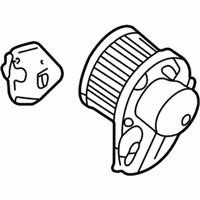
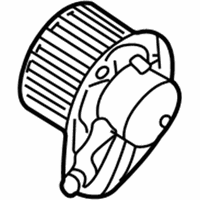
Related Volkswagen Passat Parts
 Volkswagen Passat Cabin Air Filter
 Volkswagen Passat Blower Motor Resistor
 Volkswagen Passat A/C Accumulator
 Volkswagen Passat A/C Compressor Clutch
 Volkswagen Passat A/C Condenser
 Volkswagen Passat A/C Expansion Valve
 Volkswagen Passat A/C Hose
 Volkswagen Passat A/C Service Cap
 Volkswagen Passat A/C Switch
 Volkswagen Passat Ambient Temperature Sensor
 Volkswagen Passat Blend Door Actuator
 Volkswagen Passat HVAC Pressure Switch
Browse by Year
2022 Blower Motor 2021 Blower Motor
2020 Blower Motor
2019 Blower Motor
2018 Blower Motor
2017 Blower Motor 2016 Blower Motor 2015 Blower Motor
2014 Blower Motor
2013 Blower Motor
2012 Blower Motor
2010 Blower Motor
2009 Blower Motor
2008 Blower Motor
2007 Blower Motor
2006 Blower Motor
2005 Blower Motor
2004 Blower Motor
2003 Blower Motor
2002 Blower Motor
2001 Blower Motor
2000 Blower Motor
1999 Blower Motor
1998 Blower Motor
1997 Blower Motor 1996 Blower Motor 1995 Blower Motor 1994 Blower Motor 1993 Blower Motor 1992 Blower Motor 1991 Blower Motor 1990 Blower Motor