×
- Hello
- Login or Register
- Quick Links
- Live Chat
- Track Order
- Parts Availability
- RMA
- Help Center
- Contact Us
- Shop for
- Volkswagen Parts

My Garage
My Account
Cart
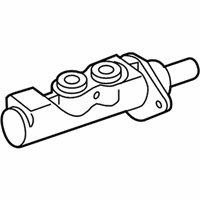
Genuine Volkswagen Rabbit Brake Master Cylinder
- Select Vehicle by Model
- Select Vehicle by VIN
Select Vehicle by Model
orMake
Model
Year
Select Vehicle by VIN
For the most accurate results, select vehicle by your VIN (Vehicle Identification Number).
4 Brake Master Cylinders found
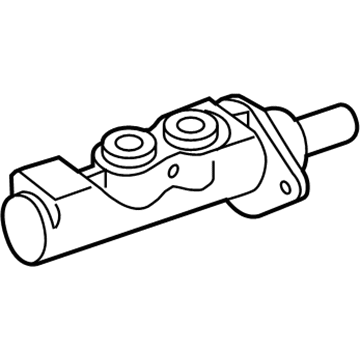
Volkswagen Rabbit Master Cylinder Part Number: 1K1-614-019-F
$268.39 MSRP: $366.65You Save: $98.26 (27%)Ships in 1-2 Business Days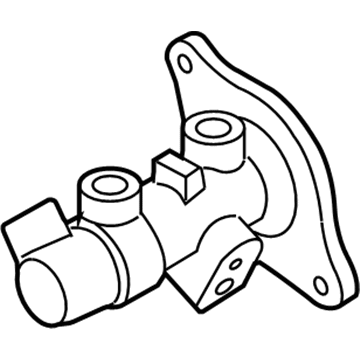
Volkswagen Rabbit Master Cylinder Part Number: 1K1-614-019-K
$281.81 MSRP: $384.98You Save: $103.17 (27%)Ships in 1-2 Business Days
Volkswagen Rabbit Master Cylinder Part Number: 171-611-015-AF
$79.54 MSRP: $111.40You Save: $31.86 (29%)Volkswagen Rabbit Master Cylinder Part Number: 171-611-019-N
$214.20 MSRP: $300.00You Save: $85.80 (29%)
Volkswagen Rabbit Brake Master Cylinder
Choose OEM Brake Master Cylinder for superior quality and long-lasting durability. They match the Volkswagen's factory specifications exactly and pass strict quality control. If you plan to replace Brake Master Cylinder on your Rabbit, put OEM at the top of your list. You'll get the right fit, reliable performance, and peace of mind. We stock an extensive inventory of genuine Volkswagen Rabbit parts. It is easy to find what you need. You will love our competitive prices that help you save. No more hassle with returns or guesswork. Every part includes a warranty straight from the manufacturer. Get trusted quality, strong durability, and real value today.
Volkswagen Rabbit Brake Master Cylinder Parts and Q&A
- Q:How to remove and install a Brake Master Cylinder on Volkswagen Rabbit?A:In order to replace the master cylinder, precautions should be taken since the brake fluid may end up destroying paint or finished surface. Take the negative battery connection out and disassemble battery and battery tray. Disconnect the electrical connectors of the brake fluid level warning switch and the brake light switch (in models since November 2005). Take off the reservoir capped and drain out as much as possible out of the reservoir. On the models with manual transaxle, disconnect and attach the clutch master cylinder hose to the back of the brake master cylinder reservoir. Gently take the locking tabs on the reservoir and push it out of the master cylinder. Clean the surrounding of the brake line fittings well with brake cleaner, position the rags under it to absorb fluid and then disconnect the brake lines and seal all holes to avoid contamination. Take off the master cylinder mounting nuts, and remove the master cylinder and heat shield (where present) out of the power booster. Installing the new master cylinder requires bench bleeding before it is installed by clamping it in a vise and hooking up bleeder tubes to the outlets. Pour the recommended brake fluid in the reservoir and press the pistons into the master cylinder slowly to remove the air. Continue until no bubbles of air appear and then remove the bleed tubes and replace the open ports with plugs. Install the master cylinder on the studs of the power Brake Booster and screw the attaching nuts in the fingers. Fit the brake line fittings to the master cylinder taking care not to strip the threads. Connect the mounting nuts to the required torque and fasten the fittings of the brake line. In the case of manual transaxle models, the hose of the clutch master cylinder is connected. Pour fluid into the master cylinder reservoir and bleed the master cylinder and brake system with the assistance of an assistant who depresses the brake pedal and loosens the fitting to release air and fluid. It should be repeated until the fluid is free of air bubbles, where care should be taken to collect any fluid with rags. When it has bled, wash the part under the master cylinder with clean water, and measure the work of the brake system cautiously before putting the vehicle in usual service.
Related Volkswagen Rabbit Parts
 Volkswagen Rabbit ABS Control Module
 Volkswagen Rabbit ABS Sensor
 Volkswagen Rabbit Brake Bleeder Screw
 Volkswagen Rabbit Brake Booster
 Volkswagen Rabbit Brake Controller
 Volkswagen Rabbit Brake Dust Shields
 Volkswagen Rabbit Brake Master Cylinder Repair Kit
 Volkswagen Rabbit Brake Master Cylinder Reservoir
 Volkswagen Rabbit Brake Rotor
 Volkswagen Rabbit Hydraulic Hose
 Volkswagen Rabbit Parking Brake Cable
 Volkswagen Rabbit Yaw Sensor