×
- Hello
- Login or Register
- Quick Links
- Live Chat
- Track Order
- Parts Availability
- RMA
- Help Center
- Contact Us
- Shop for
- Volkswagen Parts

My Garage
My Account
Cart
Genuine Volkswagen Rabbit Oil Filter
Engine Oil filter- Select Vehicle by Model
- Select Vehicle by VIN
Select Vehicle by Model
orMake
Model
Year
Select Vehicle by VIN
For the most accurate results, select vehicle by your VIN (Vehicle Identification Number).
4 Oil Filters found
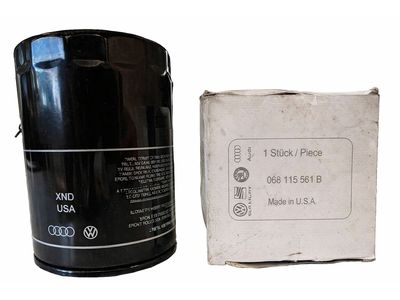
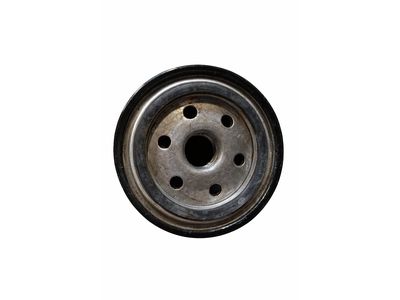
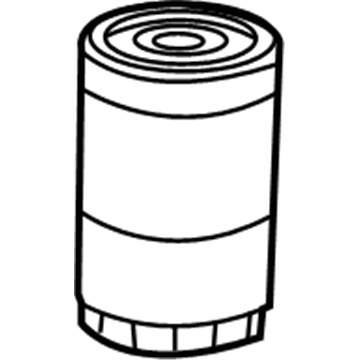
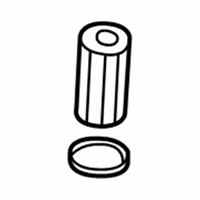
Volkswagen Rabbit Oil Filter Part Number: 068-115-561-B
$14.44 MSRP: $19.73You Save: $5.29 (27%)Ships in 1-2 Business Days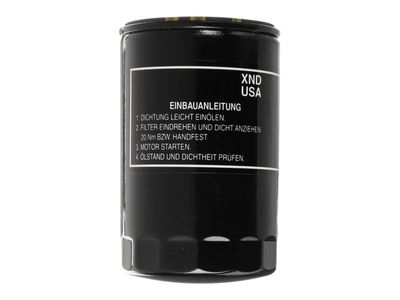
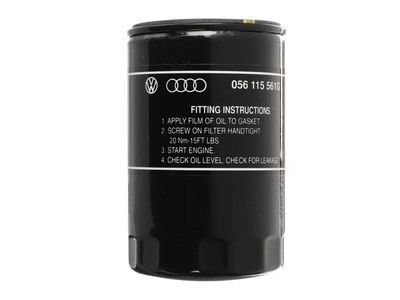
Volkswagen Rabbit Oil Filter Part Number: 056-115-561-G
$14.95 MSRP: $20.42You Save: $5.47 (27%)Ships in 1-2 Business Days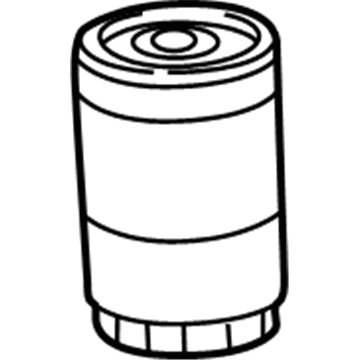
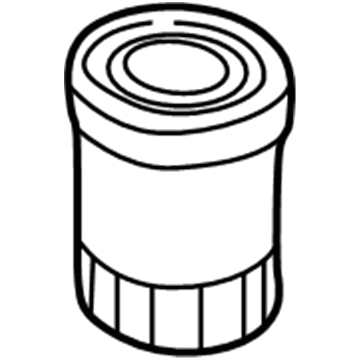
Volkswagen Rabbit Oil Filter Part Number: 06A-115-561-B
$12.32 MSRP: $16.83You Save: $4.51 (27%)Ships in 1-2 Business Days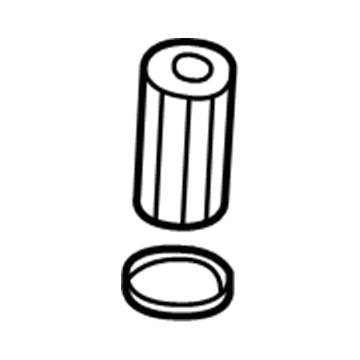
Volkswagen Rabbit Oil Filter Part Number: 06D-115-562
$14.51 MSRP: $19.82You Save: $5.31 (27%)Ships in 1-2 Business Days
Volkswagen Rabbit Oil Filter
Choose OEM Oil Filter for superior quality and long-lasting durability. They match the Volkswagen's factory specifications exactly and pass strict quality control. If you plan to replace Oil Filter on your Rabbit, put OEM at the top of your list. You'll get the right fit, reliable performance, and peace of mind. We stock an extensive inventory of genuine Volkswagen Rabbit parts. It is easy to find what you need. You will love our competitive prices that help you save. No more hassle with returns or guesswork. Every part includes a warranty straight from the manufacturer. Get trusted quality, strong durability, and real value today.
Volkswagen Rabbit Oil Filter Parts and Q&A
- Q:What role does the oil filter play in preventing premature engine wear during frequent oil changes, and what tools are necessary for the process on Volkswagen Rabbit?A:Regular oil change is also necessary so that your engine does not wear out too soon since old oil is contentious and polluted. All the equipment you require will be needed beforehand, such as a shallow drain pan to keep the spillage at bay, a pair of rubber gloves to keep your hands clean, a breaker bar to handle tight drain plugs, a socket to the breaker bar, or a ratchet, and a filter wrench that fits your particular filter. Always have rags or newspapers in case of spillages and do not forget that the engine and exhaust parts will be hot and you should expect some problem. Pull the car on a flat area, heat the engine to allow the oils to drain, and switch the engine off. Take off the filler cap of the valve cover and use rags to cover the filter housing in case of spillages. Get the vehicle on jackstands and detach the splash shield under the vehicle. Slowly position the drain pan below the drain plug, and remove the drain plug with the proper tool, and then leave the place to empty the old oil and check it thoroughly to eliminate the metal shavings. Wipe out the drain plug and area, place on a new plug and clean the oil filler housing. To extract old filter, remove the valve dust cap in the filter housing, press the valve in order to drain the left over oil and unscrew the oil filter housing to get the old filter out. wipe off the housing and fit a new O-ring and lubricate the new O-ring with clean engine oil, and fit the new filter element. Tighten the filter housing, change valve dust cap, lower the vehicle, and pour more oil in the filler cap, and test the level later on. Once the engine has been set up, check the oil again and add more as required after a minute. Keep a check on leaks in the initial few journeys after changing the oil and also dispose the old oil at a recycling facility. Moreover, the service indicator may be reset with the trip-odometer reset button and the ignition key to be able to properly monitor the engine operating time and vehicle mileage.
Related Volkswagen Rabbit Parts
 Volkswagen Rabbit Camshaft Seal
 Volkswagen Rabbit Crankshaft Pulley
 Volkswagen Rabbit Crankshaft Seal
 Volkswagen Rabbit Dipstick
 Volkswagen Rabbit Engine Cover
 Volkswagen Rabbit Oil Filler Cap
 Volkswagen Rabbit Oil Filter Gasket
 Volkswagen Rabbit Oil Pan
 Volkswagen Rabbit Rod Bearing
 Volkswagen Rabbit Timing Belt Idler Pulley
 Volkswagen Rabbit Valve Cover
 Volkswagen Rabbit Valve Cover Gasket