×
- Hello
- Login or Register
- Quick Links
- Live Chat
- Track Order
- Parts Availability
- RMA
- Help Center
- Contact Us
- Shop for
- Volkswagen Parts

My Garage
My Account
Cart
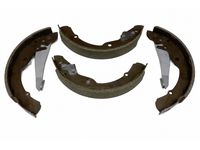
Genuine Volkswagen Brake Shoe Set
Brake Shoe- Select Vehicle by Model
- Select Vehicle by VIN
Select Vehicle by Model
orMake
Model
Year
Select Vehicle by VIN
For the most accurate results, select vehicle by your VIN (Vehicle Identification Number).
14 Brake Shoe Sets found
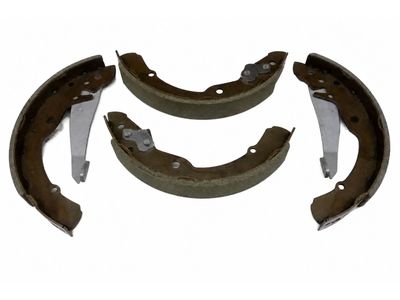
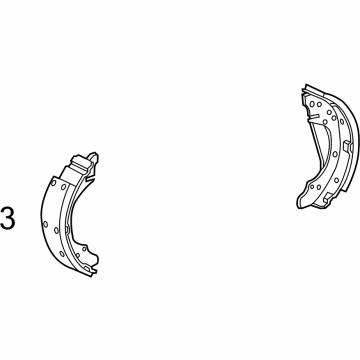
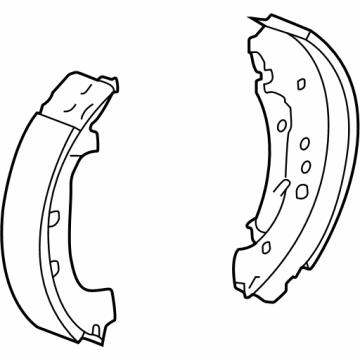
Volkswagen Shoes Part Number: 5C0-698-545
$260.09 MSRP: $327.98You Save: $67.89 (21%)Ships in 1-2 Business DaysProduct Specifications- Other Name: Brake Shoe; Shoe
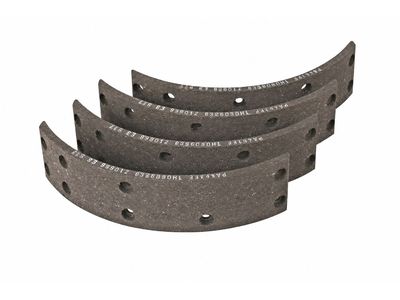
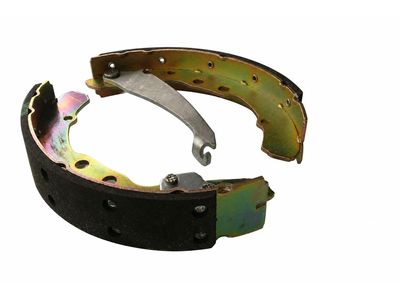
Volkswagen Brake Shoes Part Number: 1H0-698-071
$48.00 MSRP: $61.54You Save: $13.54 (22%)Ships in 1-2 Business DaysProduct Specifications- Other Name: Brake Lining; Brake Shoe
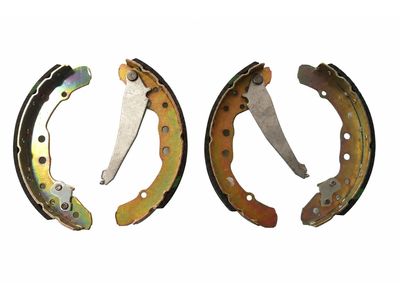
Volkswagen Shoes Part Number: 357-698-525-CX
$102.48 MSRP: $131.82You Save: $29.34 (23%)Product Specifications- Other Name: Brake Shoe; Shoe
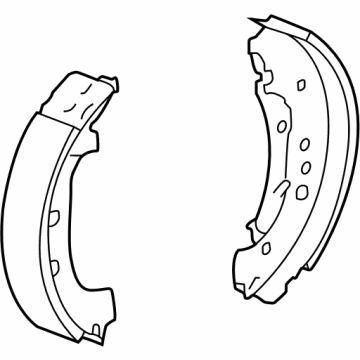
Volkswagen Brake Shoe Part Number: 1EA-698-525-G
$70.67 MSRP: $91.37You Save: $20.70 (23%)Ships in 1-2 Business DaysProduct Specifications- Other Name: Rear Shoe
- Replaced by: 1EA-698-525-H
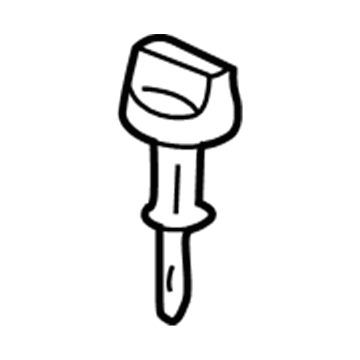
Volkswagen Clamp Part Number: 811-609-525-E
$37.76 MSRP: $52.45You Save: $14.69 (29%)Ships in 1-2 Business DaysProduct Specifications- Other Name: Brake Shoe
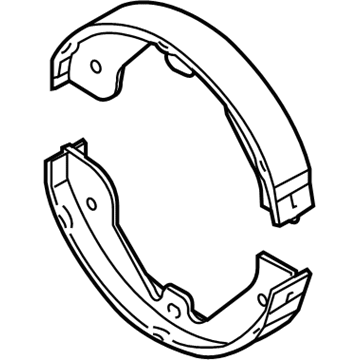
Volkswagen Shoes Part Number: 7L0-698-525
$128.45 MSRP: $166.07You Save: $37.62 (23%)Ships in 1-2 Business DaysProduct Specifications- Other Name: Brake Shoe; Shoe
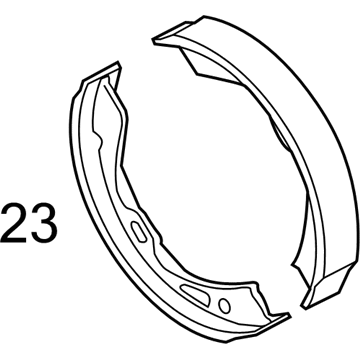
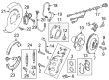
Volkswagen BRAKE SHOE Part Number: 9Y0-698-533-D
$320.36 MSRP: $403.98You Save: $83.62 (21%)Ships in 1-2 Business DaysProduct Specifications- Other Name: Parking Brake Shoe, Shoe
- Replaced by: 9Y4-698-533-C
Volkswagen BRAKE SHOE Part Number: 1N3-698-525-C
$393.60 MSRP: $496.34You Save: $102.74 (21%)Ships in 1-2 Business DaysProduct Specifications- Replaced by: 1N3-698-525-D

Volkswagen Shoes Part Number: 867-609-528
$25.70 MSRP: $32.95You Save: $7.25 (22%)Ships in 1-2 Business DaysProduct Specifications- Other Name: Brake Shoe; Rear Shoe, Shoe
Volkswagen Shoes Part Number: 191-698-051
$27.72 MSRP: $35.54You Save: $7.82 (22%)Ships in 1-2 Business DaysProduct Specifications- Other Name: Brake Lining; Rear Shoe, Shoe
Volkswagen Rear Shoes Part Number: 5U0-698-525-B
$59.03 MSRP: $75.68You Save: $16.65 (22%)Ships in 1-2 Business DaysProduct Specifications- Other Name: Brake Shoe; Rear Shoe
- Position: Rear
- Replaces: 309-609-526-1, 5U0-609-527-B
Volkswagen Shoes Part Number: 251-698-135
$80.97 MSRP: $104.68You Save: $23.71 (23%)Product Specifications- Other Name: Brake Lining; Shoe
Volkswagen Shoes Part Number: 867-698-520-X
$101.96 MSRP: $131.82You Save: $29.86 (23%)Ships in 1-2 Business DaysProduct Specifications- Other Name: Brake Shoe; Rear Shoe, Shoe
- Replaces: 867-609-527, 867-698-525-X
Volkswagen Shoes Part Number: 1H0-698-520-X
$102.48 MSRP: $131.82You Save: $29.34 (23%)Ships in 1-2 Business DaysProduct Specifications- Other Name: Brake Shoe; Rear Shoe, Shoe
- Replaced by: 6R0-698-520-X
Volkswagen Brake Shoe Set
Volkswagen Brake Shoe Set keeps every car stable by converting pedal pressure into sure rear wheel bite, giving drivers confident control and smooth stops even during quick city traffic. Since 1937, VW has pursued the idea of reliable mobility for everyone, from the original Beetle to modern ID electric cars, using clever engineering like TSI turbo power, the flexible MQB platform, and digital cockpit tech that makes every trip simple and enjoyable. The company mixes clean design with solid build quality, so a VW feels honest, durable, and friendly, qualities that have earned loyalty across generations and in every corner of the world. That same commitment shows up in the Brake Shoe Set found across the lineup, a compact drum braking assembly that presses friction linings against the drum when hydraulic force moves each shoe outward, then releases instantly for quiet cruising. A self-adjuster keeps the gap perfect as the lining wears, so pedal feel stays firm and the parking brake locks with ease. Sturdy metal frames resist heat and corrosion, bonded linings provide consistent grip, and the layout uses the drum's own rotation to boost stopping force, adding efficiency without extra weight. Whether a classic driver or a new VW owner, you gain steady braking performance that matches its values of safety, simplicity, and long-term dependability.
Buying OEM parts is a smart move to keep your long-term repair costs low. These components are built to last because VW uses such strict factory standards. At VWPartsGiant.com, it is easy to find genuine Volkswagen Brake Shoe Set at prices that actually beat the competition. You get a real manufacturer's warranty with every single part, so you know your purchase is safe. Plus, forget about return headaches since our policy is easy and worry-free. We ship your order fast, too. If you have questions, our team of parts experts is ready to help. Why wait? Start shopping now!
Volkswagen Brake Shoe Set Parts and Q&A
- Q:How to replacing a Brake Shoe Set on Volkswagen Cabrio?A:The brake drum should first be taken off, and the brake assembly then cleaned with brake system cleaner, allowing the residue to drain into a drip pan to replace the brake shoes. Check the depth of the friction material on the friction shoes of each brake shoe at various points; in case any shoe becomes thin enough to reach a certain minimum or below change all four shoes as a set. Wear new shoes, which are not oily or greasy, because it is not possible to clean such oily and greasy shoes. When wearing any shoes in uneven manner or being dirty, find the reason and fix it first then put back the parts. Fit the brake drum provided that everything is in good shape. Record the location of the brake shoes and springs and potentially mark the webs. Depress and 90 degree rotate the hold-down cups and springs with a special tool or pliers. Unscrew the springs and the holders at the lower end, and then slide the shoes off, one after another, at the bottom end of the pivot, so as to relieve the tension of the return spring, and to detach the lower return spring on each side of the shoes. Be careful to take out the upper part of the two shoes in the wheel cylinder positions carefully, not to tear the seals, remove the parking brake cable in the trailing shoe. Installation Maneuver the brake shoe assembly off the backing plate without pushing the brake pedal and hold the wheel cylinder pistons in place with an elastic band. Record the appropriate correctly installed positions of all parts, disconnect the upper return spring, and the wedge key spring. Disengage the tensioning spring, and take out the pushrod of the trailing shoe, with the wedge key. Inspect everything that can be worn or damaged, and change it when needed, and change all the return springs no matter how they are. Inspect the wheel cylinder, whether there are leakages or damages and both cylinder pistons should be free. Use brake grease of high temperature on the contact points of pushrod and parking brake lever. Tensioning spring Hook the tensioning spring through the trailing shoe and fix it to the pushrod and pivot it in place. Install the wedge key correctly in between the trailing shoe and pushrod but have the raised dot away facing the shoe. Find the parking brake lever in the leading shoe in the pushrod, and fit the upper return spring. Insert the spring to the wedge key and attach it to the trailing shoe. Wipe down the backing plate and apply a light coating of high temperature brake grease or anti-seize compound to the contact points of the shoes, without touching the friction material. Take the elastic band out of the wheel cylinder and place the shoe assembly there, and connect the cable of the parking brake and find the place of the top of the shoes in the piston slots of the wheel cylinder. Put the lower return spring between the shoes, push the bottom of the shoes against the bottom anchor, tap the shoes so that they are in the middle of the backup plate and install the shoe retainer pins and springs with the spring cups holding them. Lastly, fit the brake drum, redo the same step with the rest of the rear brake, adjust the clearance between the lining and the drum by pushing the brake pedal until normal pressure is achieved, inspect and adjust the parking brake should need be and verify the level of the brake fluid. The bedding-in period of new shoes will be necessary so that the first hundred miles after replacement should not be hard braked.
- Q:How to install a Brake Shoe Set for the rear brakes on Volkswagen Jetta?A:Lift the rear of the car and place it on jackstands and chock the front-wheel to make it stand. Unscrew the screw holding the brake drum onto the hub, and slide the drum off the hub. The shoe retraction step is no exception as the shoe retractor is held in place using a screwdriver by lifting up the wedge of the adjuster in the instance of a stuck drum. Wipe the brake assembly using brake system cleaner and make sure that it dries. Take the measurement of the thickness of the friction material in each of the brake shoes; in case one of the shoes is worn down to the minimum thickness or even less, change the entire set of four shoes. Wipe off oily or greasy shoes, and work on any disproportionate wear or contamination prior to reassembling. Installation of brake drum will take place provided the parts are in fine condition. Record the location of the brake shoes and springs and take off the hold-down cups and springs. For this, take the shoes out at the lower pivot, un-zip the lower return spring, and very carefully take the upper end of both shoes out of their positions in the wheel cylinders. Disconnect the parking brake cable and worked the brake shoe assembly out of place around the backing plate, but not to the point of depressing the brake pedal until the reassembling process. Record the proper position of all parts, loosen the upper return spring and detach the adjuster wedge spring. Take the pushrod out of the trailing shoe and inspect every part of the pushrod, replacing where needed. Examine the wheel cylinder to see whether it has been leaking and also test whether the pistons are free to move. On contact points apply high-temperature brake grease, attach the locating spring to the leading shoe hook, place the pushrod in, and fit the adjuster wedge properly. Find the parking brake lever on the trailing shoe, and attach the upper return spring, and connect the spring to the adjuster wedge. Wipe out the backup plate and sprinkle high temperature brake grease thinly to areas of the shoe contacts without touching on the friction material. Take the rubber band off the wheel cylinder and fit in the shoe assembly, hooking up the parking brake cable and putting the shoes in the piston slots of the wheel cylinder. Then fit the lower return spring, centralize the shoes by means of the backing plate, and fix them using hold-down pins and springs. Install the retaining screw and brake drum and then the same on the other rear brake. Look at the cracks or other damages in the drum, and get it resurfaced. Once the two sets of rear shoes have been changed, install the brake drums and adjust the lining-to-drum clearance, by pushing on the brake pedal until the normal pressure level is attained. Lastly, verify and verify the parking brake and the level of brake fluid in the car, remembering that new shoes will need a bedding-in period before they are completely effective in terms of braking.
Related Volkswagen Parts
 Volkswagen ABS Control Module
 Volkswagen Brake Master Cylinder
 Volkswagen Brake Rotor
 Volkswagen ABS Reluctor Ring
 Volkswagen Brake Bleeder Screw
 Volkswagen Brake Booster Vacuum Pump
 Volkswagen Brake Caliper Bolt
 Volkswagen Brake Caliper Bracket
 Volkswagen Brake Pad Sensor
 Volkswagen Brake Tubing Clips
 Volkswagen Parking Brake Actuator
 Volkswagen Parking Brake Cable
Browse by Model
Beetle Brake Shoe Set Cabrio Brake Shoe Set Cabriolet Brake Shoe Set EuroVan Brake Shoe Set Fox Brake Shoe Set Golf Brake Shoe Set ID. Buzz Brake Shoe Set ID.4 Brake Shoe Set Jetta Brake Shoe Set Passat Brake Shoe Set Quantum Brake Shoe Set Scirocco Brake Shoe Set Touareg Brake Shoe Set Vanagon Brake Shoe Set