×
- Hello
- Login or Register
- Quick Links
- Live Chat
- Track Order
- Parts Availability
- RMA
- Help Center
- Contact Us
- Shop for
- Volkswagen Parts

My Garage
My Account
Cart
Genuine Volkswagen Parking Brake Cable
Emergency Parking Brake Release Cable- Select Vehicle by Model
- Select Vehicle by VIN
Select Vehicle by Model
orMake
Model
Year
Select Vehicle by VIN
For the most accurate results, select vehicle by your VIN (Vehicle Identification Number).
45 Parking Brake Cables found
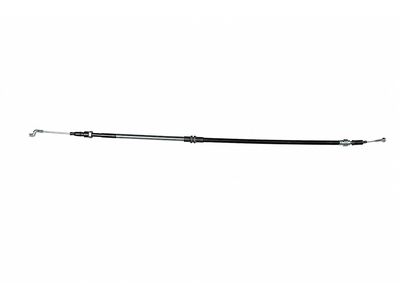
Volkswagen Rear Cable Part Number: 7D0-609-701-E
$24.48 MSRP: $40.80You Save: $16.32 (40%)Ships in 1-2 Business DaysProduct Specifications- Other Name: Brake Cable
- Position: Rear
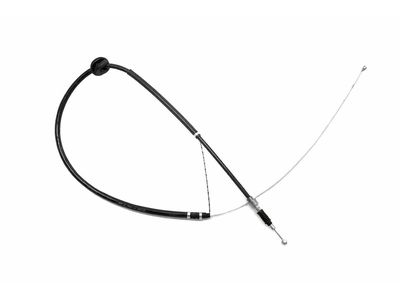
Volkswagen Cable Part Number: 1J0-609-721-AR
$28.32 MSRP: $47.20You Save: $18.88 (40%)Ships in 1-2 Business DaysProduct Specifications- Other Name: Brake Cable
- Replaces: 1J0-609-721-R
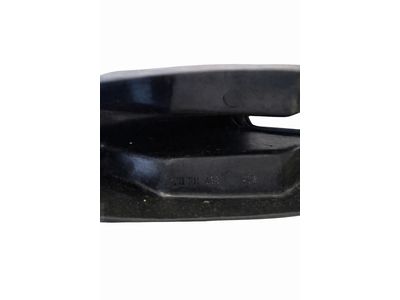
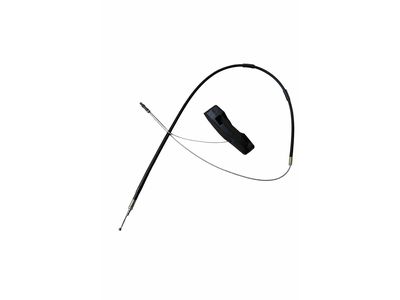
Volkswagen Cable Part Number: 171-609-721-C
$34.20 MSRP: $57.00You Save: $22.80 (40%)Product Specifications- Other Name: Brake Cable
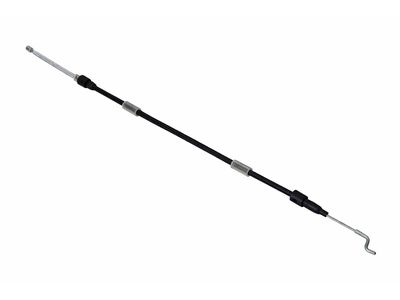
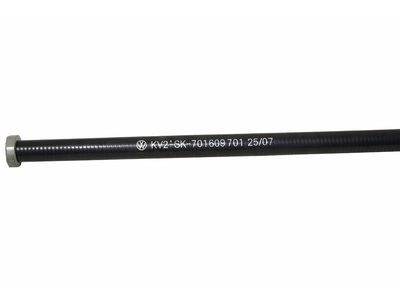
Volkswagen Rear Cable Part Number: 701-609-701
$35.70 MSRP: $59.50You Save: $23.80 (40%)Product Specifications- Other Name: Brake Cable
- Position: Rear
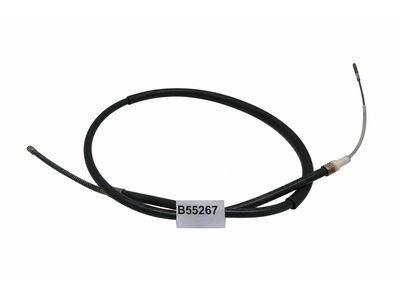
Volkswagen Cable Part Number: 191-609-721-E
$35.70 MSRP: $59.50You Save: $23.80 (40%)Product Specifications- Other Name: Brake Cable
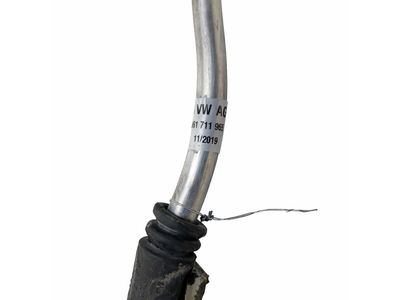
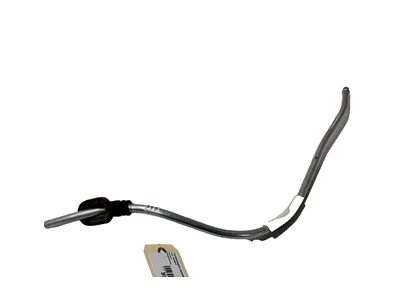
Volkswagen Cable Part Number: 561-711-952
$15.97 MSRP: $26.18You Save: $10.21 (39%)Ships in 1-2 Business DaysProduct Specifications- Other Name: Guide Tube
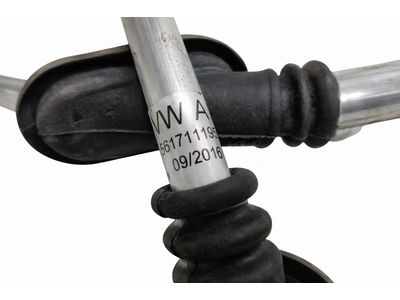
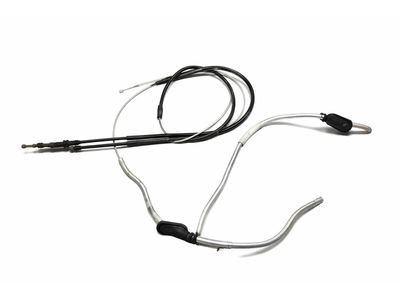
Volkswagen Cable Part Number: 561-711-951
$16.58 MSRP: $27.18You Save: $10.60 (39%)Ships in 1-2 Business DaysProduct Specifications- Other Name: Guide Tube
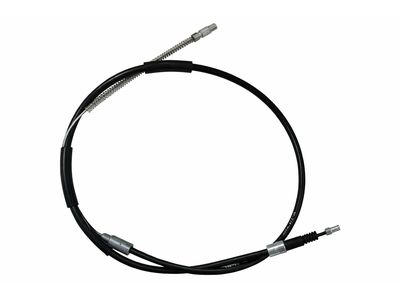
Volkswagen Rear Cable Part Number: 251-609-701-C
$30.50 MSRP: $42.37You Save: $11.87 (29%)Product Specifications- Other Name: Brake Cable
- Position: Rear
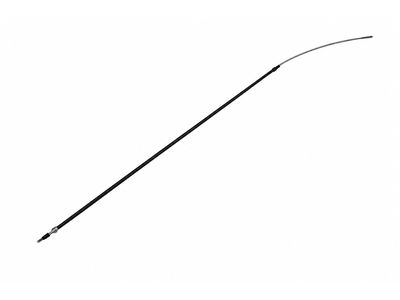
Volkswagen Cable Part Number: 357-609-721-E
$42.00 MSRP: $58.33You Save: $16.33 (28%)Ships in 1-2 Business DaysProduct Specifications- Other Name: Brake Cable
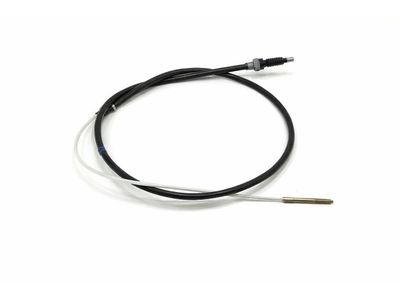
Volkswagen Cable Part Number: 1H0-609-721-E
$51.85 MSRP: $72.02You Save: $20.17 (29%)Ships in 1-2 Business DaysProduct Specifications- Other Name: Brake Cable
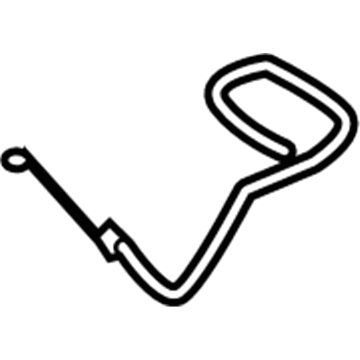
Volkswagen Cable Part Number: 7L0-712-306-D
$27.11 MSRP: $45.18You Save: $18.07 (40%)Ships in 1-2 Business DaysProduct Specifications- Other Name: Bowden Cable; Release Cable
- Replaces: 7L0-712-306, 7L0-712-306-B

Volkswagen Cable Part Number: 5Q0-609-721-BD
$38.66 MSRP: $53.70You Save: $15.04 (29%)Ships in 1-2 Business DaysProduct Specifications- Other Name: Brake Cable
Volkswagen Rear Cable Part Number: 7D0-609-701-F
$25.56 MSRP: $42.60You Save: $17.04 (40%)Ships in 1-2 Business DaysProduct Specifications- Other Name: Brake Cable
- Position: Rear
Volkswagen Cable Part Number: 1H0-609-721-D
$32.52 MSRP: $54.20You Save: $21.68 (40%)Ships in 1-2 Business DaysProduct Specifications- Other Name: Brake Cable
- Replaces: 1HM-609-721
Volkswagen Cable Part Number: 3A0-609-721-A
$33.84 MSRP: $56.40You Save: $22.56 (40%)Product Specifications- Other Name: Brake Cable
Volkswagen Rear Cable Part Number: 7D0-609-701-A
$25.56 MSRP: $35.50You Save: $9.94 (28%)Ships in 1-2 Business DaysProduct Specifications- Other Name: Brake Cable
- Position: Rear
Volkswagen Cable Part Number: 321-609-721-C
$37.46 MSRP: $52.03You Save: $14.57 (28%)Product Specifications- Other Name: Brake Cable
Volkswagen Front Cable Part Number: 701-711-476-A
$39.60 MSRP: $55.00You Save: $15.40 (28%)Ships in 1-2 Business DaysProduct Specifications- Other Name: Cable
- Position: Front
Volkswagen Front Cable Part Number: 701-711-476
$39.60 MSRP: $55.00You Save: $15.40 (28%)Ships in 1-2 Business DaysProduct Specifications- Other Name: Cable
- Position: Front
Volkswagen Cable Part Number: 191-609-721
$44.52 MSRP: $61.83You Save: $17.31 (28%)Product Specifications- Other Name: Brake Cable
| Page 1 of 3 |Next >
1-20 of 45 Results
Volkswagen Parking Brake Cable
Volkswagen Parking Brake Cable delivers instant mechanical wheel lock that prevents any roll when a driver parks on a hill or needs a backup stop in a sudden hydraulic failure, giving every VW model an extra layer of confidence. Born from a company that began in 1937 with the vision of a reliable people car, the brand has grown into a global symbol of smart engineering, blending clean design with turbocharged TSI power, digital cockpits, and park assist technology that makes daily travel relaxed. From the cheerful Beetle to modern ID electric cars, the brand relies on the versatile MQB platform to cut weight and cost while keeping driving fun, and its MIB infotainment touchscreens plus head-up displays wrap drivers in modern convenience. VW also pushes sustainable mobility, testing new battery systems and software that keep the company at the front of automotive innovation, proving that efficiency can live alongside personality. The Parking Brake Cable itself uses a strong steel strand wrapped in a corrosion-resistant sleeve, so every pull or pedal press sends smooth force to rear brakes without delay, even after years battling road grit. Because the system operates through direct tension rather than fluid, it stays ready if main brakes fail, holding a loaded car steady on steep streets. Simple checks for wear keep the Parking Brake Cable sharp, making it a small but critical safety hero trusted across every VW lineup.
Buying OEM parts is a smart move to keep your long-term repair costs low. These components are built to last because VW uses such strict factory standards. At VWPartsGiant.com, it is easy to find genuine Volkswagen Parking Brake Cable at prices that actually beat the competition. You get a real manufacturer's warranty with every single part, so you know your purchase is safe. Plus, forget about return headaches since our policy is easy and worry-free. We ship your order fast, too. If you have questions, our team of parts experts is ready to help. Why wait? Start shopping now!
Volkswagen Parking Brake Cable Parts and Q&A
- Q:How to effectively check and adjust the Parking Brake Cable on Volkswagen Jetta?A:The parking brake can be verified by clicking the lever five times to be sure it is fully engaged, any less and it might not be fully released consequently causing the vehicle to drag under the brake and any more and it may not hold the car on an incline. A method of improving its efficiency is to park on a hilly slope with the transmission on Neutral and the parking brake turned on so that the car moves and there is need to change it. The rear brakes are automatically adjusted and usually do not need any service unless the parts such as the brake drums, brake shoes, wheel cylinders and brakes cables are changed. The first step is to block the front wheels, lift the rear of the car, and hold it up well on jackstands and then remove the rear wheels. Once the center console has been taken out, press and release the brake pedal a few times followed by the parking brake, this is to center the cables. When the rear drum brake model is used, turn parking brake to the fourth notch, loosen the adjusting nut until the rear wheels become hard to turn then release the parking brake all the way and make sure the rear wheels turn freely. Calibrate with the number of clicks of the ratchet of the parking brake when in full engagement, and loosen the locknuts. When using rear disc brakes, place 1/16-inch feeler gauge between the caliper lever and the stop and tighten the adjusting nut until one can barely drag. Once the gauges are removed, turn on the parking brake and release the brake, with a 3/64-1/8-inch gap between the two, and ensure the brake is holding and the wheels of the back do not drag when turned. Lastly, the removal is reversed with installation.
- Q:How should the Parking Brake Cable be adjusted and what steps are involved in the process on Volkswagen Passat?A:Parking brake does not need habitual adjustments and need to be adjusted when there is a replacement of rear brake components like pads, calipers, and discs or parking brake cables. The first thing to do is to press hard on the brake pedal a few times, and then chock the front wheels, lift the rear of the car and place it safely on jackstands. Completely press the lever of the parking brake and take away the ashtray of the back parts of the center console. Install a screwdriver in the cable compensator pulley, through the hole on the mounting bracket of the parking brake lever. Below the car, there are the parking brake adjuster collars above the exhaust pipe, which are reached by removing the exhaust system heat shields. In the first adjustment collar, take out the locking ring and turn the collar counterclockwise until the stop point, with the open-end wrench to ensure the rear part of the parking brake cable is not turned. Using the parking brake cable on either side of the adjustment collar and push them together until all the slack is exhausted, then turn the adjustment collar clockwise until the slot to the locking ring appears just visible and snap the locking ring in. This is done in a similar manner on the other adjustment collar, and the two parts of the adjustment collar are then just pulled apart on either cable until the slack in both cables is taken-up, keeping the brake caliper parking brake lever positions on their respective stops. Get the screwdriver in the vehicle and unlock the cable compensator by removing it, then press and release the parking brake lever at least thrice times. Get back to the lower part of the vehicle, and adjust the adjustment collars of both cables until a clearance of about 3/64-inch (1 mm), yet not more than 1/16-inch (1.5 mm), is visible between the caliper lever and their stops. Make sure that the adjustment collars have not been adjusted so far that the colored rubber O-rings within the collars have been exposed because it may be an indication that the cables have been stretched beyond the allowable limit or that the rear brake pads are too damaged. Lastly, test the parking brake and repeat the adjustment process by making sure that when adjusted properly, the two brakes firmly lock the wheels with the lever used and that they will turn freely when the lever is lessened and then lower the vehicle.
Related Volkswagen Parts
 Volkswagen Brake Pads
 Volkswagen Vacuum Pump
 Volkswagen ABS Control Module
 Volkswagen Vacuum Check Valve
 Volkswagen Wheel Cylinder
 Volkswagen ABS Pump And Motor Assembly
 Volkswagen Brake Caliper Bolt
 Volkswagen Brake Caliper Bracket
 Volkswagen Brake Controller
 Volkswagen Brake Dust Shields
 Volkswagen Brake Master Cylinder Repair Kit
 Volkswagen Wheel Stud
Browse by Model
Beetle Parking Brake Cable Cabrio Parking Brake Cable Cabriolet Parking Brake Cable Corrado Parking Brake Cable EuroVan Parking Brake Cable Fox Parking Brake Cable Golf Alltrack Parking Brake Cable Golf Parking Brake Cable Golf SportWagen Parking Brake Cable GTI Parking Brake Cable Jetta Parking Brake Cable Passat Parking Brake Cable Phaeton Parking Brake Cable Quantum Parking Brake Cable R32 Parking Brake Cable Rabbit Convertible Parking Brake Cable Rabbit Parking Brake Cable Routan Parking Brake Cable Scirocco Parking Brake Cable Touareg Parking Brake Cable Transporter Parking Brake Cable Vanagon Parking Brake Cable