×
- Hello
- Login or Register
- Quick Links
- Live Chat
- Track Order
- Parts Availability
- RMA
- Help Center
- Contact Us
- Shop for
- Volkswagen Parts

My Garage
My Account
Cart
Genuine Volkswagen Cabrio Oil Pan
Oil Drain Pan- Select Vehicle by Model
- Select Vehicle by VIN
Select Vehicle by Model
orMake
Model
Year
Select Vehicle by VIN
For the most accurate results, select vehicle by your VIN (Vehicle Identification Number).
2 Oil Pans found
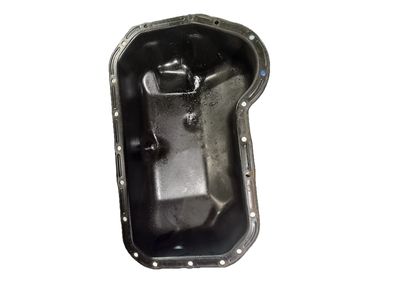
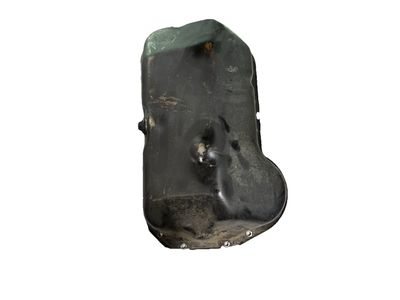
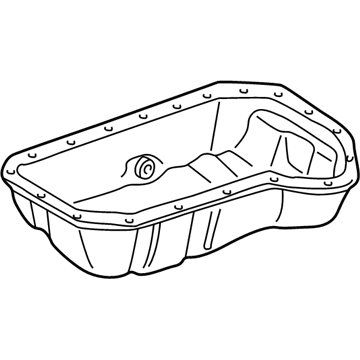
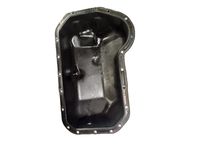
Volkswagen Cabrio Oil Pan Part Number: 051-103-601
$175.42 MSRP: $245.68You Save: $70.26 (29%)Ships in 1-2 Business Days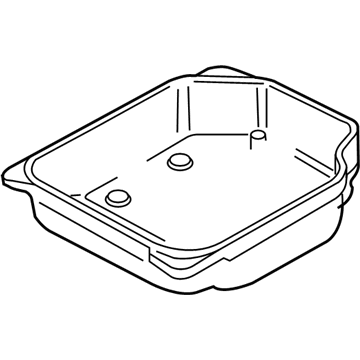
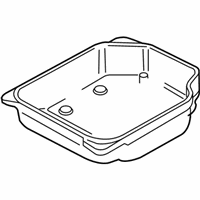
Volkswagen Cabrio Transmission Pan Part Number: 01M-321-359
$150.18 MSRP: $210.34You Save: $60.16 (29%)Ships in 1-2 Business Days
Volkswagen Cabrio Oil Pan
Choose OEM Oil Pan for superior quality and long-lasting durability. They match the Volkswagen's factory specifications exactly and pass strict quality control. If you plan to replace Oil Pan on your Cabrio, put OEM at the top of your list. You'll get the right fit, reliable performance, and peace of mind. We stock an extensive inventory of genuine Volkswagen Cabrio parts. It is easy to find what you need. You will love our competitive prices that help you save. No more hassle with returns or guesswork. Every part includes a warranty straight from the manufacturer. Get trusted quality, strong durability, and real value today.
Volkswagen Cabrio Oil Pan Parts and Q&A
- Q:What precautions should you take regarding the Oil Pan before disconnecting the battery on Volkswagen Cabrio?A:In the event that the stereo installed in your car has an anti-theft system, be sure that you use the proper activation code before removing the battery. Drain the engine oil, first disconnecting the negative battery cable and putting it out of the terminal. When necessary, do not screw anything, push the engine undertray down the car. Park on a flat and place the parking brake and chock the back wheels. Lift the vehicle front and place it on the axle stands or wheel ramps. In order to gain accessibility to the oil pan, disconnect the right-hand driveshaft of the transaxle output flange. Continually loosen and remove oil pan retaining bolts as one circumnavigates the oil pan. Unbolt and remove the flywheel cover plate off the transaxle (where applicable) to get into the fixing of the left-hand oil pan. Disassembly Strike the oil pan with your palm of your hand, then get it down and back out under the vehicle, retrieve and dispose of the oil pan gasket. In case a baffle plate is installed then it can only be taken out after unbolting the oil pump. When moving the oil pan, examine the oil pump pick-up/strainer to see whether it is clogged or disintegrated, and check the pump accordingly, either clean it or change the strainer. Wipe the oil pan with a clean rag and clean all traces of sealant on the mating surfaces of the cylinder block/crankcase and oil pan. Make sure that the mating surfaces are clean and dry and then use an appropriate sealant on the oil pan and crank case mating surfaces. Install a new oil pan gasket on the oil pan mating surface, refit the oil pan and oil pan retaining bolts, applying them evenly and to the required torque in a gradual and progressive manner. Install the driveshaft and engine undertray, replace the engine with the required grade and amount of oil, and reconnect the battery, as applicable.
- Q:How to remove and reinstall an oil pan on Volkswagen Cabrio?A:Removing the oil pan is done first by unchecking battery negative cable and having proper activation code in case of any anti theft system. Drain engine oil and, if present, screwdriver the screws in order to lower the engine under-tray. Park on a flat surface, pull on parking brakes and chock the rear wheels. Place the front of the car up on axle stands. To have an easier access to the oil pan, detach the right-hand drive axle of the transaxle output flange. Slacken and remove the oil pan retaining bolts, and remove the flywheel cover plate, as needed to reach the left-hand oil pan fixings. To break the joint, punch the oil pan with your palm then lift it down and pull out and lose the gasket on the oil pan. When there is a baffle plate, then that can only be removed when the Oil Pump is unbolt. When the oil pan is off, inspect the oil pump pick-up/strainer to ensure that it is not clogged or damaged cleaning and replacing where necessary. To install, clean up all the sealant on the mating parts of the cylinder block/crankcase and the oil pan wiping the latter using a clean rag. Both mating surfaces should be clean and dry, and then a suitable sealant should be used. Install the oil pan and a fresh oil pan gasket on the oil pan mating surface, then tighten the retaining bolts into place ensuring evenly and to the recommended torque. Fit the drive axle and engine bay undertray again, refill the engine with correct grade and quantity of oil and re-attach the negative battery cable.
Related Volkswagen Cabrio Parts
 Volkswagen Cabrio Belt Tensioner
 Volkswagen Cabrio Camshaft
 Volkswagen Cabrio Crankshaft Thrust Washer
 Volkswagen Cabrio Crankshaft Timing Gear
 Volkswagen Cabrio Cylinder Head Gasket
 Volkswagen Cabrio Engine Oil Cooler
 Volkswagen Cabrio Exhaust Valve
 Volkswagen Cabrio Oil Filler Cap
 Volkswagen Cabrio PCV Valve
 Volkswagen Cabrio Transmission Gasket
 Volkswagen Cabrio Valve Cover
 Volkswagen Cabrio Valve Cover Gasket
Browse by Year
2002 Oil Pan 2001 Oil Pan 2000 Oil Pan 1999 Oil Pan 1998 Oil Pan 1997 Oil Pan 1996 Oil Pan 1995 Oil Pan