×
- Hello
- Login or Register
- Quick Links
- Live Chat
- Track Order
- Parts Availability
- RMA
- Help Center
- Contact Us
- Shop for
- Volkswagen Parts

My Garage
My Account
Cart
Genuine Volkswagen Cabrio Timing Cover
Engine Timing Cover- Select Vehicle by Model
- Select Vehicle by VIN
Select Vehicle by Model
orMake
Model
Year
Select Vehicle by VIN
For the most accurate results, select vehicle by your VIN (Vehicle Identification Number).
3 Timing Covers found
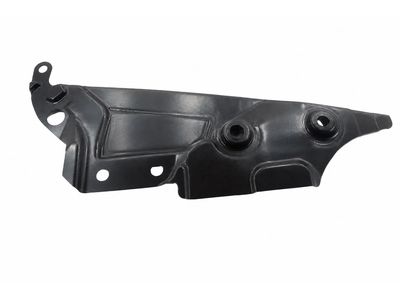
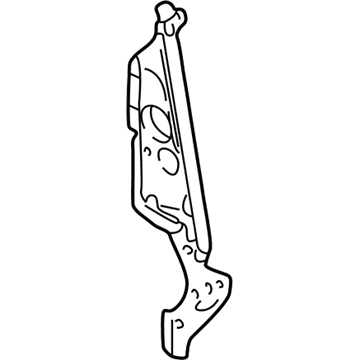
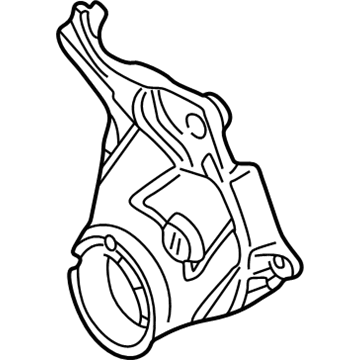
Volkswagen Cabrio Inner Timing Cover Part Number: 048-109-129
$46.80 MSRP: $65.00You Save: $18.20 (28%)Ships in 1-2 Business Days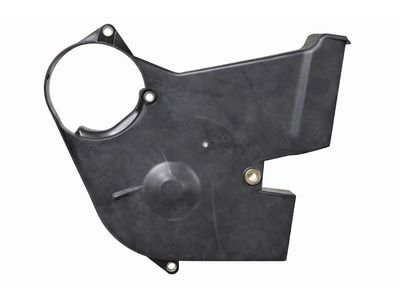
Volkswagen Cabrio Front Cover Part Number: 1E0-109-175
$49.20 MSRP: $68.33You Save: $19.13 (28%)Ships in 1-2 Business Days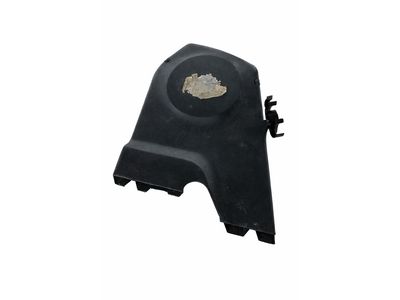
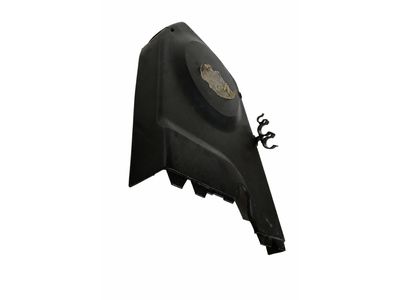
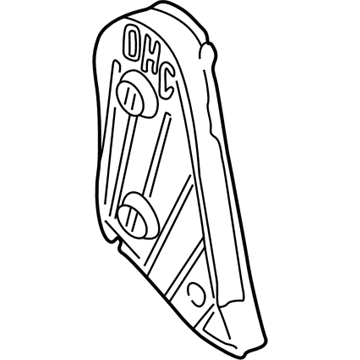
Volkswagen Cabrio Front Cover Part Number: 1E0-109-107-A
$52.80 MSRP: $73.33You Save: $20.53 (28%)Ships in 1-2 Business Days
Volkswagen Cabrio Timing Cover
Choose OEM Timing Cover for superior quality and long-lasting durability. They match the Volkswagen's factory specifications exactly and pass strict quality control. If you plan to replace Timing Cover on your Cabrio, put OEM at the top of your list. You'll get the right fit, reliable performance, and peace of mind. We stock an extensive inventory of genuine Volkswagen Cabrio parts. It is easy to find what you need. You will love our competitive prices that help you save. No more hassle with returns or guesswork. Every part includes a warranty straight from the manufacturer. Get trusted quality, strong durability, and real value today.
Volkswagen Cabrio Timing Cover Parts and Q&A
- Q:How to remove and install a timing belt and timing cover, and why is correct tensioning and regular inspection important for Diesel engine on Volkswagen Cabrio?A:The toothed timing belt is the main drive in the camshaft, fuel injection pump, and intermediate shaft, and any broken or slippage may cause the irregular valve timing and possible engine destruction. Thus, proper tensioning and frequent wear examination is important. This loss process starts with engine immobilization and elimination of movement of the vehicle and enhanced access to the timing belt covers by removing air cleaner house. The outer cover of the upper timing belt is released, and auxiliary drivebelts are taken off, the engine is then set to TDC on No. 1 cylinder. The crankshaft drivebelt pulleys are removed and timing belt lower cover is removed. The tension of the timing belt is released and the belt is checked on whether there are marks on it that indicate the direction of rotation, therefore, it is repositioned back correctly, to prevent wear. In case of contamination or damage, the belt is to be replaced particularly when it has crossed 36,000 miles. When installing the engine, the crankshaft should be kept at TDC and the camshaft sprocket is looseened then the timing belt is looped under the crankshaft sprocket and fitted in the correct place on all the sprockets. The belt is strenched and tension of the belt is checked and then the tensioner locknut is tightened. Tension should be measured, preferably using a dealer. Once the crankshaft has been found to be at TDC, the camshaft sprocker bolt is tightened, and the locking pin is removed. Two full rotations of the crankshaft are made, with the TDC reset and a check of the fuel injection pump sprocket locking pin. Last but not least, the timing belt outer cover parts are fitted, auxiliary drivebelts are strained, and the fueling system is replenished, and the fuel injection pump timing is checked up.
Related Volkswagen Cabrio Parts
 Volkswagen Cabrio Crankshaft Thrust Washer
 Volkswagen Cabrio Dipstick
 Volkswagen Cabrio Engine Cover
 Volkswagen Cabrio Engine Mount
 Volkswagen Cabrio Engine Oil Cooler
 Volkswagen Cabrio Harmonic Balancer
 Volkswagen Cabrio Intake Valve
 Volkswagen Cabrio Oil Filter
 Volkswagen Cabrio Oil Pan Gasket
 Volkswagen Cabrio Piston Ring Set
 Volkswagen Cabrio Timing Belt Idler Pulley
 Volkswagen Cabrio Valve Cover Gasket