×
- Hello
- Login or Register
- Quick Links
- Live Chat
- Track Order
- Parts Availability
- RMA
- Help Center
- Contact Us
- Shop for
- Volkswagen Parts

My Garage
My Account
Cart
Genuine Volkswagen Passat Clutch Disc
Friction Disc- Select Vehicle by Model
- Select Vehicle by VIN
Select Vehicle by Model
orMake
Model
Year
Select Vehicle by VIN
For the most accurate results, select vehicle by your VIN (Vehicle Identification Number).
8 Clutch Discs found
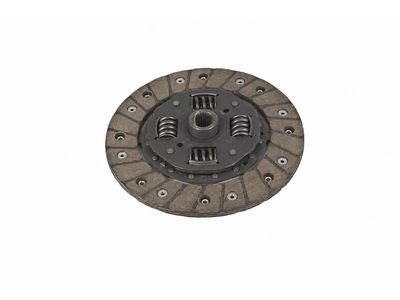
Volkswagen Passat Disc Part Number: 068-141-034-TX
$167.13 MSRP: $233.33You Save: $66.20 (29%)Ships in 1-2 Business Days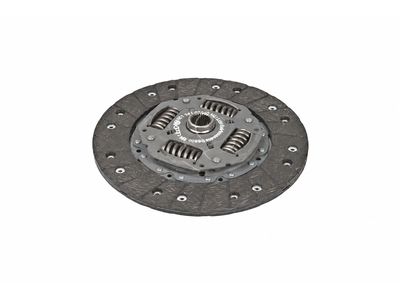
Volkswagen Passat Disc Part Number: 021-141-031-C
$211.34 MSRP: $296.00You Save: $84.66 (29%)Ships in 1-2 Business Days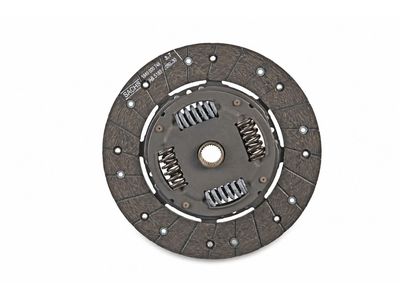
Volkswagen Passat Disc Part Number: 044-141-031-TX
$224.25 MSRP: $313.33You Save: $89.08 (29%)Ships in 1-2 Business Days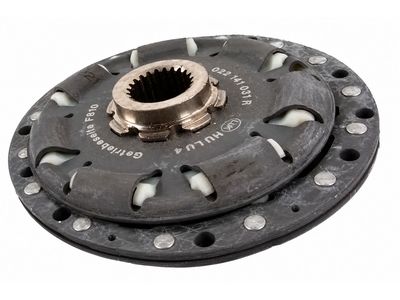
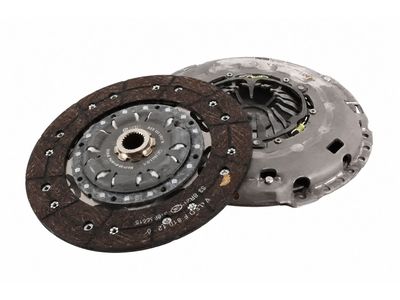
Volkswagen Passat Disc Part Number: 06F-141-015-C
$695.39 MSRP: $876.90You Save: $181.51 (21%)Ships in 1-2 Business Days
Volkswagen Passat Disc Part Number: 021-141-031-EX
$140.47 MSRP: $196.00You Save: $55.53 (29%)Volkswagen Passat Disc Part Number: 078-141-031-NX
$224.25 MSRP: $313.33You Save: $89.08 (29%)Ships in 1-2 Business DaysVolkswagen Passat Disc Part Number: 078-141-032-A
$287.92 MSRP: $393.33You Save: $105.41 (27%)Ships in 1-2 Business DaysVolkswagen Passat Disc Part Number: 06B-141-031-P
$335.49 MSRP: $458.32You Save: $122.83 (27%)Ships in 1-2 Business Days
Volkswagen Passat Clutch Disc
Choose OEM Clutch Disc for superior quality and long-lasting durability. They match the Volkswagen's factory specifications exactly and pass strict quality control. If you plan to replace Clutch Disc on your Passat, put OEM at the top of your list. You'll get the right fit, reliable performance, and peace of mind. We stock an extensive inventory of genuine Volkswagen Passat parts. It is easy to find what you need. You will love our competitive prices that help you save. No more hassle with returns or guesswork. Every part includes a warranty straight from the manufacturer. Get trusted quality, strong durability, and real value today.
Volkswagen Passat Clutch Disc Parts and Q&A
- Q:What role does the Clutch Disc play in the key components and functions of a manual transaxle clutch system on Volkswagen Passat?A:Each model having a manual transaxle uses one dry plate, diaphragm spring type clutch with a splined hub which enables it to slide along the splines of the input shaft of the transaxle. The spring pressure of the diaphragm of the pressure plate provides contact between the clutch and pressure plate. The clutch release system is hydraulic and it consists of the following; the clutch pedal, master-cylinder, release-cylinder, hydraulic line, release-bearing, and release- lever. When the clutch pedal is pressed, the master cylinder opens up the release cylinder that is used to move the release lever. The release bearing contacts the diaphragm spring fingers as the lever is swung to release the clutch plate. Terminology may differ, with such terms as slave cylinder used instead of the release cylinder, driven plate instead of the clutch plate or disc, clutch cover instead of the pressure plate assembly and throw-out bearing instead of the release bearing. Initial tests should be made to identify the failure of the clutch system even when it is not being replaced with evidently damaged parts. To check the time of clutch spin down, the engine should be started and then left to run at idle speed with the transaxle in Neutral and the clutch should be disengaged and shifted into reverse without the noise of grinding which can be a cause of pressure plate or clutch disc problems. To achieve full release of the clutch, the engine is to be operated with parking brake on and the clutch pedal slightly lower than the floor and alternate between 1 st gear and Reverse; it may be rough shifting indicating a possible component failure. Also, check the pivot of the clutch pedal visually to ensure it is not sticking or pitted and ensure that hydraulic lines at the master and release cylinders are leak-free, bleed into the system if needed.
Related Volkswagen Passat Parts
 Volkswagen Passat Automatic Transmission Filter
 Volkswagen Passat Automatic Transmission Shift Levers
 Volkswagen Passat Clutch Fork
 Volkswagen Passat Clutch Hydraulic Lines
 Volkswagen Passat Clutch Master Cylinder
 Volkswagen Passat Clutch Release Bearing
 Volkswagen Passat Clutch Slave Cylinder
 Volkswagen Passat Clutch Slave Repair Kit
 Volkswagen Passat Flywheel
 Volkswagen Passat Pilot Bearing
 Volkswagen Passat Pressure Plate
 Volkswagen Passat Valve Body
Browse by Year
2008 Clutch Disc 2007 Clutch Disc 2006 Clutch Disc 2005 Clutch Disc 2004 Clutch Disc 2003 Clutch Disc 2002 Clutch Disc 2001 Clutch Disc 2000 Clutch Disc 1999 Clutch Disc 1998 Clutch Disc 1997 Clutch Disc 1996 Clutch Disc 1995 Clutch Disc 1994 Clutch Disc 1993 Clutch Disc 1992 Clutch Disc 1991 Clutch Disc 1990 Clutch Disc