×
- Hello
- Login or Register
- Quick Links
- Live Chat
- Track Order
- Parts Availability
- RMA
- Help Center
- Contact Us
- Shop for
- Volkswagen Parts

My Garage
My Account
Cart
Genuine Volkswagen Passat Spark Plug
Ignition Spark Plug- Select Vehicle by Model
- Select Vehicle by VIN
Select Vehicle by Model
orMake
Model
Year
Select Vehicle by VIN
For the most accurate results, select vehicle by your VIN (Vehicle Identification Number).
5 Spark Plugs found
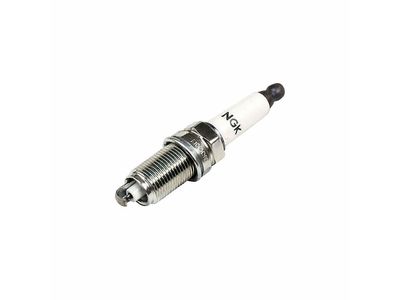
Volkswagen Passat Spark Plug Part Number: 101-905-600-C
$11.81 MSRP: $16.13You Save: $4.32 (27%)Ships in 1-2 Business Days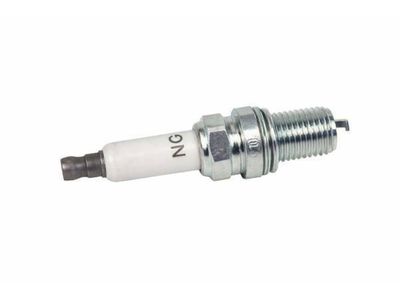
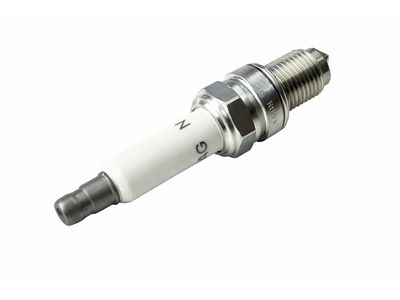
Volkswagen Passat Spark Plug Part Number: 101-905-607
$12.80 MSRP: $17.48You Save: $4.68 (27%)Ships in 1-2 Business Days
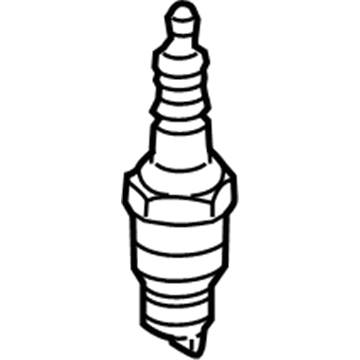
Volkswagen Passat Spark Plug Part Number: 06H-905-601-A
$15.96 MSRP: $21.79You Save: $5.83 (27%)Ships in 1-2 Business Days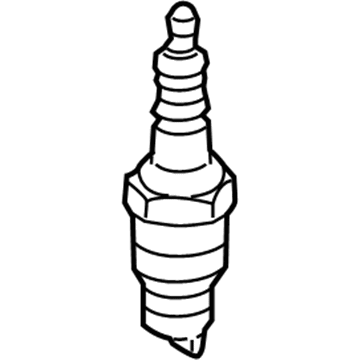
Volkswagen Passat Spark Plug Part Number: 101-905-622
$18.09 MSRP: $24.71You Save: $6.62 (27%)Ships in 1-2 Business Days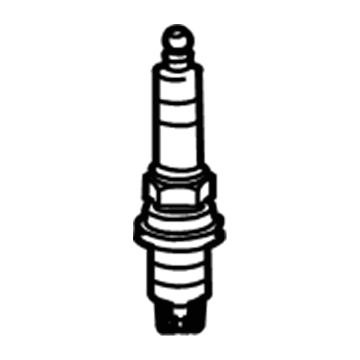
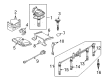
Volkswagen Passat Spark Plug Part Number: 101-000-063-AA
$15.96 MSRP: $21.79You Save: $5.83 (27%)Ships in 1-2 Business Days
Volkswagen Passat Spark Plug
Choose OEM Spark Plug for superior quality and long-lasting durability. They match the Volkswagen's factory specifications exactly and pass strict quality control. If you plan to replace Spark Plug on your Passat, put OEM at the top of your list. You'll get the right fit, reliable performance, and peace of mind. We stock an extensive inventory of genuine Volkswagen Passat parts. It is easy to find what you need. You will love our competitive prices that help you save. No more hassle with returns or guesswork. Every part includes a warranty straight from the manufacturer. Get trusted quality, strong durability, and real value today.
Volkswagen Passat Spark Plug Parts and Q&A
- Q:How to replace spark plugs on Volkswagen Passat?A:To install the new spark plugs, assemble the tools required, such as a spark plug socket that fits with a ratchet, a range of extensions and a gap gauge that will be used to measure and regulate the gaps on the new plugs. The removal plug boots can be separated with the help of special equipment, and the tightening of the boots and the plugs will be necessary with the help of a torque wrench. Order new plugs beforehand, and make sure they are the right kind that fits your engine, and set them to the right gap before beginning the replacement process. Let the engine cool down, and then take off the plastic cover. During the waiting period, observe the defects of the new plugs and close the gaps with the use of a tapered thickness gauge to make sure that the gap is accurate and the side electrode aligns with the center one. Once you are ready, unplug or unscrew the ignition coil or Spark Plug Wire, and only pull on the boot. Apply forced air to the spark plug hole to remove debris to avoid contamination. Insert the spark plug socket and screw it counterclockwise to take it out, with some more parts having to be removed on some of the cylinders. Compare old spark plug to some reference attaching a chart to determine engine condition and a layer of anti-seize compound may be applied to the threads of the new plugs before fitting. Install the new plug by hand-tightening the new plug into the hole, followed by a torque wrench or a ratchet, and installing it with the help of a short length of a rubber hose to make the installation easier and prevent cross-threading. Lastly, reconnect the plug wire or ignition coil by twisting it back in place, and so forth, connecting the rest of the plugs, one at a time, so that they do not become mixed up.
Related Volkswagen Passat Parts
 Volkswagen Passat Oxygen Sensor
 Volkswagen Passat Speedometer
 Volkswagen Passat Camshaft Position Sensor
 Volkswagen Passat Crankshaft Position Sensor
 Volkswagen Passat Distributor
 Volkswagen Passat Distributor Cap
 Volkswagen Passat Exhaust Gas Temperature Sensor
 Volkswagen Passat Ignition Control Module
 Volkswagen Passat Knock Sensor
 Volkswagen Passat Spark Plug Wire
 Volkswagen Passat Speed Sensor
 Volkswagen Passat Vehicle Speed Sensor