×
- Hello
- Login or Register
- Quick Links
- Live Chat
- Track Order
- Parts Availability
- RMA
- Help Center
- Contact Us
- Shop for
- Volkswagen Parts

My Garage
My Account
Cart
Genuine Volkswagen Rabbit Camber and Alignment Kit
- Select Vehicle by Model
- Select Vehicle by VIN
Select Vehicle by Model
orMake
Model
Year
Select Vehicle by VIN
For the most accurate results, select vehicle by your VIN (Vehicle Identification Number).
21 Camber and Alignment Kits found
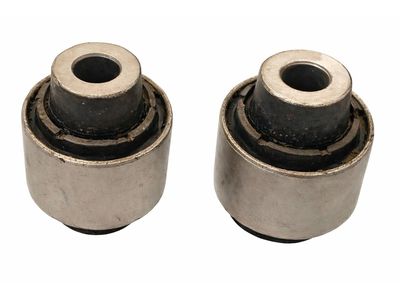
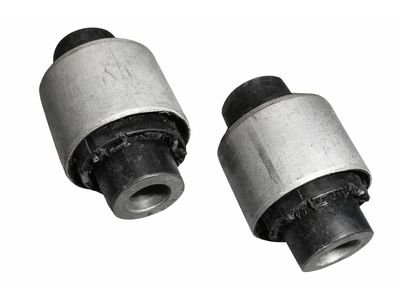
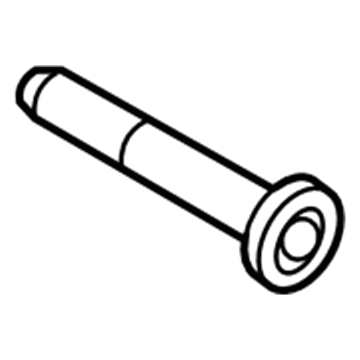
Volkswagen Rabbit Stabilizer Link Bolt Part Number: WHT-000-226
$3.97 MSRP: $6.50You Save: $2.53 (39%)Ships in 1-2 Business Days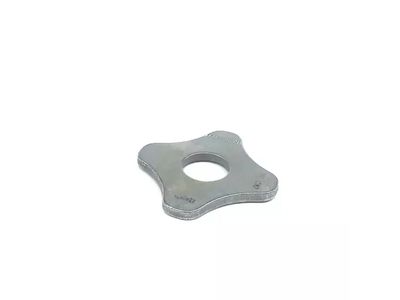
Volkswagen Rabbit Tie Rod Washer Part Number: 1K0-505-193
$5.23 MSRP: $8.58You Save: $3.35 (40%)Ships in 1-2 Business Days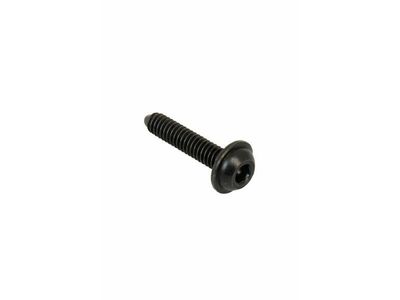
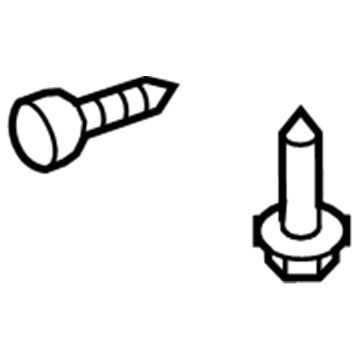
Volkswagen Rabbit Retainer Bolt Part Number: N-909-699-01
$1.99 MSRP: $3.26You Save: $1.27 (39%)Ships in 1-2 Business Days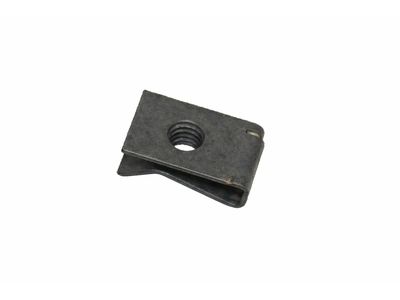

Volkswagen Rabbit Spacer Part Number: N-901-686-04
$2.14 MSRP: $3.50You Save: $1.36 (39%)Ships in 1-2 Business Days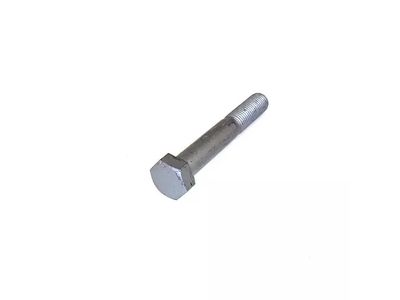
Volkswagen Rabbit Trailing Arm Mount Bolt Part Number: N-101-708-04
$6.19 MSRP: $10.14You Save: $3.95 (39%)Ships in 1-2 Business Days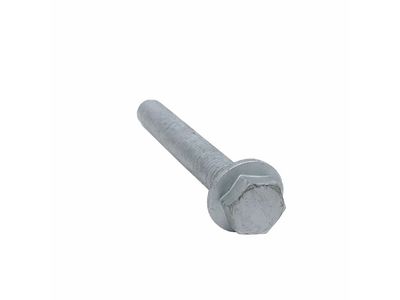
Volkswagen Rabbit Lateral Arm Bolt Part Number: N-102-112-02
$9.08 MSRP: $14.88You Save: $5.80 (39%)Ships in 1-2 Business Days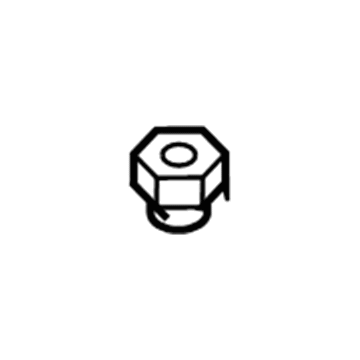
Volkswagen Rabbit Top Nut Part Number: N-909-429-02
$0.74 MSRP: $1.22You Save: $0.48 (40%)Ships in 1-2 Business Days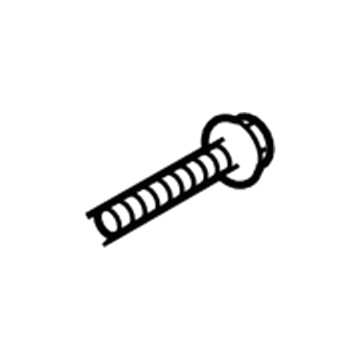
Volkswagen Rabbit Shock Bolt Part Number: N-106-286-01
$5.17 MSRP: $8.48You Save: $3.31 (40%)Ships in 1-2 Business Days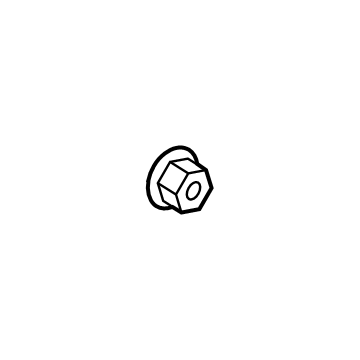
Volkswagen Rabbit Strut Nut Part Number: N-101-064-03
$3.65 MSRP: $5.98You Save: $2.33 (39%)Ships in 1-2 Business Days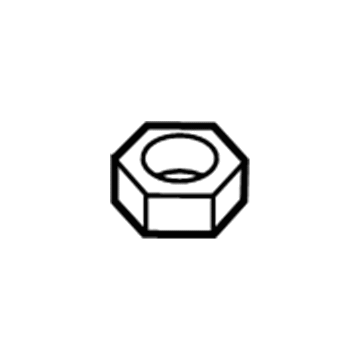
Volkswagen Rabbit Top Nut Part Number: N-103-041-02
$2.11 MSRP: $3.46You Save: $1.35 (40%)Ships in 1-2 Business Days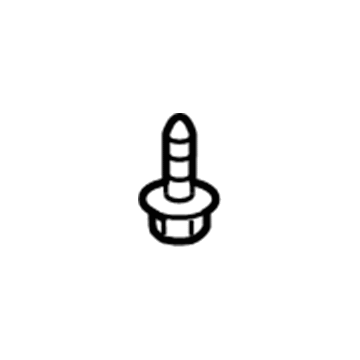
Volkswagen Rabbit Shock Mount Bolt Part Number: N-906-484-02
$1.34 MSRP: $2.20You Save: $0.86 (40%)Ships in 1-2 Business Days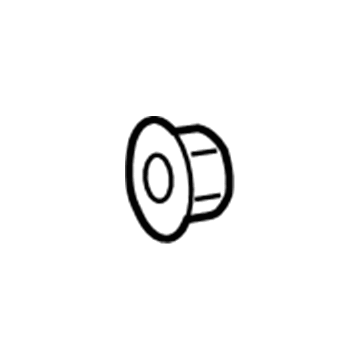
Volkswagen Rabbit Tie Rod Nut Part Number: N-104-018-01
$2.27 MSRP: $3.72You Save: $1.45 (39%)Ships in 1-2 Business Days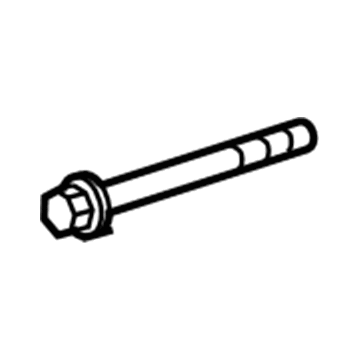
Volkswagen Rabbit Tie Rod Bolt Part Number: N-910-767-01
$12.31 MSRP: $20.18You Save: $7.87 (39%)Ships in 1-2 Business Days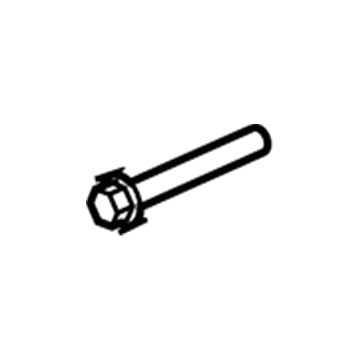
Volkswagen Rabbit Compressor Bolt Part Number: N-907-075-02
$5.38 MSRP: $8.82You Save: $3.44 (39%)Ships in 1-2 Business Days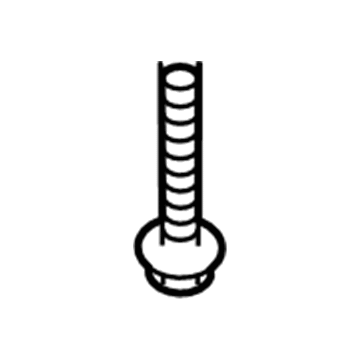
Volkswagen Rabbit Suspension Crossmember Front Bolt Part Number: N-910-964-01
$10.39 MSRP: $17.04You Save: $6.65 (40%)Ships in 1-2 Business Days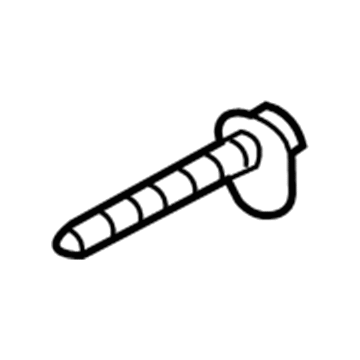
Volkswagen Rabbit Lower Control Arm Adjust Bolt Part Number: WHT-000-228
$20.36 MSRP: $33.38You Save: $13.02 (40%)Ships in 1-2 Business Days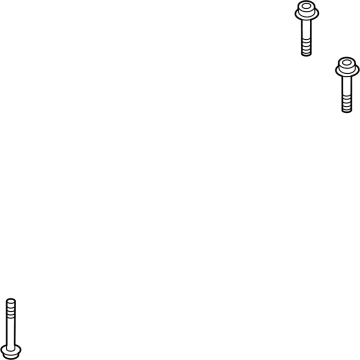
Volkswagen Rabbit Differential Bolt Part Number: N-107-202-01
$2.87 MSRP: $4.70You Save: $1.83 (39%)Ships in 1-2 Business Days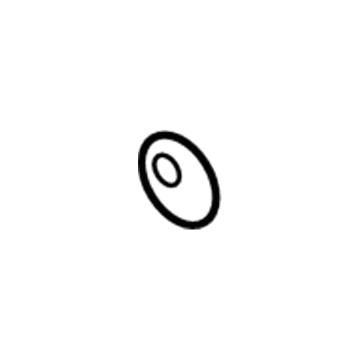
Volkswagen Rabbit Lower Control Arm Adjust Cam Part Number: WHT-000-232
$4.47 MSRP: $7.32You Save: $2.85 (39%)Ships in 1-2 Business Days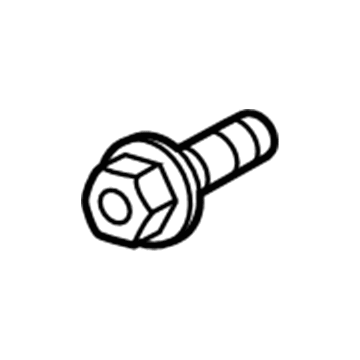
Volkswagen Rabbit Belt Tensioner Bolt Part Number: N-911-490-01
$4.58 MSRP: $7.50You Save: $2.92 (39%)Ships in 1-2 Business Days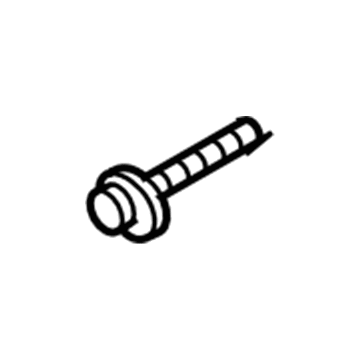
Volkswagen Rabbit Upper Control Arm Adjust Bolt Part Number: WHT-000-227
$17.07 MSRP: $27.98You Save: $10.91 (39%)Ships in 1-2 Business Days
| Page 1 of 2 |Next >
1-20 of 21 Results
Volkswagen Rabbit Camber and Alignment Kit
Choose OEM Camber and Alignment Kit for superior quality and long-lasting durability. They match the Volkswagen's factory specifications exactly and pass strict quality control. If you plan to replace Camber and Alignment Kit on your Rabbit, put OEM at the top of your list. You'll get the right fit, reliable performance, and peace of mind. We stock an extensive inventory of genuine Volkswagen Rabbit parts. It is easy to find what you need. You will love our competitive prices that help you save. No more hassle with returns or guesswork. Every part includes a warranty straight from the manufacturer. Get trusted quality, strong durability, and real value today.
Volkswagen Rabbit Camber and Alignment Kit Parts and Q&A
- Q:What role does a Camber and Alignment Kit play in ensuring proper wheel alignment and its impact on vehicle control and tire wear on Volkswagen Rabbit?A:Wheel alignment is the proper positioning of the wheels in the proper angular relation to the ground, the suspension and is important in the control of the vehicle and reducing tire wear. The major angles that are measured are camber, caster and toe-in. Camber and caster are not always variable, but generally they are examined when there is wear or damage in the suspension elements. Toe-in The inward angle of the wheels is adjustable in front of all the vehicles, and on the back of those with an independent rear suspension, keeping the wheels rolling parallel to each other. A car that is at zero toe-in has the same distance between the rear and front edges of the wheels, and the toe-in actually is a few inches. Misaligned toe-in will result in inappropriate tire wear (because of rubbing against the road surface). Camber is the angularity of the wheels being tilted outwards or inwards respectively, and is positively indicated in positive camber and negatively indicated in negative camber. Camber angle in degrees determines the surface of contact between tires and the road and compensates variation in the geometry of the suspension when turning corners or when on uneven surfaces. Caster is defined as the inclination of the forward steering axis where a positive caster inclination is toward the rear and negative caster inclination is toward the front. Wheel alignment is a meticulous activity that needs specialized equipment, which is why it is recommendable to use the services of a skilled specialist to make the changes.
Related Volkswagen Rabbit Parts
 Volkswagen Rabbit Axle Pivot Bushing
 Volkswagen Rabbit Coil Spring Insulator
 Volkswagen Rabbit Control Arm
 Volkswagen Rabbit Control Arm Bolt
 Volkswagen Rabbit Lateral Link
 Volkswagen Rabbit Manual Transmission Extension Housing Seal
 Volkswagen Rabbit Shock and Strut Boot
 Volkswagen Rabbit Spindle Nut
 Volkswagen Rabbit Steering Knuckle
 Volkswagen Rabbit Strut Mounts
 Volkswagen Rabbit Sway Bar Bracket
 Volkswagen Rabbit Sway Bars