×
- Hello
- Login or Register
- Quick Links
- Live Chat
- Track Order
- Parts Availability
- RMA
- Help Center
- Contact Us
- Shop for
- Volkswagen Parts

My Garage
My Account
Cart
Genuine Volkswagen Rabbit Spark Plug
Ignition Spark Plug- Select Vehicle by Model
- Select Vehicle by VIN
Select Vehicle by Model
orMake
Model
Year
Select Vehicle by VIN
For the most accurate results, select vehicle by your VIN (Vehicle Identification Number).
1 Spark Plug found
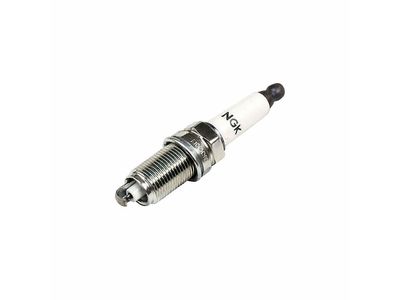
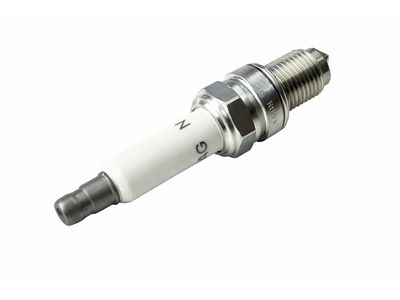
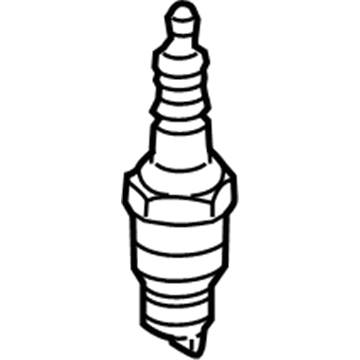
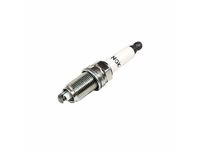
Volkswagen Rabbit Spark Plug Part Number: 101-905-600-C
$11.81 MSRP: $16.13You Save: $4.32 (27%)Ships in 1-2 Business Days
Volkswagen Rabbit Spark Plug
Choose OEM Spark Plug for superior quality and long-lasting durability. They match the Volkswagen's factory specifications exactly and pass strict quality control. If you plan to replace Spark Plug on your Rabbit, put OEM at the top of your list. You'll get the right fit, reliable performance, and peace of mind. We stock an extensive inventory of genuine Volkswagen Rabbit parts. It is easy to find what you need. You will love our competitive prices that help you save. No more hassle with returns or guesswork. Every part includes a warranty straight from the manufacturer. Get trusted quality, strong durability, and real value today.
Volkswagen Rabbit Spark Plug Parts and Q&A
- Q:What tools are necessary for replacing spark plugs with an aluminum cylinder head on Volkswagen Rabbit?A:The cylinder head contains the spark plugs and the equipment needed to change them will normally have a spark plug socket which fits into a ratchet, a number of extensions and a feeler gauge to measure and adjust the spark plug gap. As these engines are aluminum head cylinder-headed, tightening is to be done using a torque wrench. It would be better to buy the new spark plugs in advance, align them to the required distance and change one after another, being sure that you bought the right type of the spark plugs which depend on the engine type. It is best to leave the engine to cool, and meanwhile inspect the new plugs and determine whether they are defective or not, and also inspect with regard to gaps. The gap is checked by placing the relevant thickness gauge between the electrodes and making sure that the thickness gauge slides with a slight drag and any cracks in the plug body are also examined. The fender must be covered with a fender cover or a used blanket to avoid damage of the paint. The cylinders have one spark plug centrally located in the middle of the cylinder and the ignition coils are mounted over the spark plugs, directly above the ignition coils, remove the ignition coils out of the ignition plugs. Where possible, blow off the dirt using compressed air in the area of the spark plug, but precautions should be taken to avoid causing the debris to fall inside the cylinder by using eye protection. The spark plug socket can be used to remove the plug by turning it counterclockwise. Apply anti-seize compound to the threads of the new spark plugs in a light coating to avoid seizing in the aluminum head. To prevent cross-threading, simply slide a piece of rubber hose over the end of the spark plug, this helps keep the part of the spark plug in proper position with the hole and prevents the threading of the part should it start cross-threading. Install the spark plugs and screw them in the required tightening, and repeat the process with the rest of the plugs.
Related Volkswagen Rabbit Parts
 Volkswagen Rabbit Camshaft Position Sensor
 Volkswagen Rabbit Crankshaft Position Sensor
 Volkswagen Rabbit Distributor Cap
 Volkswagen Rabbit Distributor Rotor
 Volkswagen Rabbit Ignition Coil
 Volkswagen Rabbit Knock Sensor
 Volkswagen Rabbit Oxygen Sensor
 Volkswagen Rabbit Spark Plug Wire
 Volkswagen Rabbit Speed Sensor
 Volkswagen Rabbit Temperature Sender
 Volkswagen Rabbit Vacuum Check Valve
 Volkswagen Rabbit Vehicle Speed Sensor