×
- Hello
- Login or Register
- Quick Links
- Live Chat
- Track Order
- Parts Availability
- RMA
- Help Center
- Contact Us
- Shop for
- Volkswagen Parts

My Garage
My Account
Cart
Genuine Volkswagen Spark Plug Wire
Spark Plug Ignition Wires- Select Vehicle by Model
- Select Vehicle by VIN
Select Vehicle by Model
orMake
Model
Year
Select Vehicle by VIN
For the most accurate results, select vehicle by your VIN (Vehicle Identification Number).
50 Spark Plug Wires found
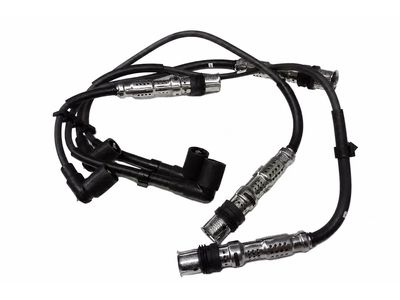
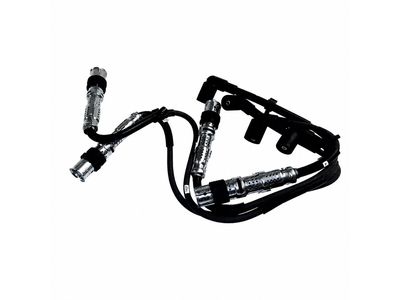
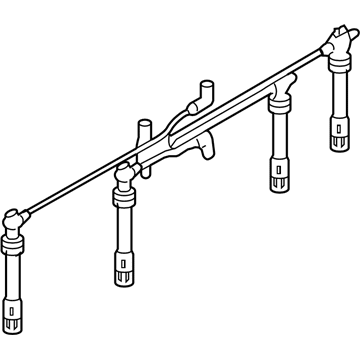
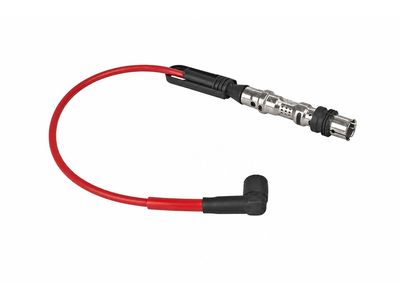
Volkswagen Cable Set Part Number: 06A-905-409-L
$121.37 MSRP: $169.98You Save: $48.61 (29%)Ships in 1-2 Business DaysProduct Specifications- Other Name: Ignitor Leads; Plug Wire Set
- Replaces: 06A-905-409-F
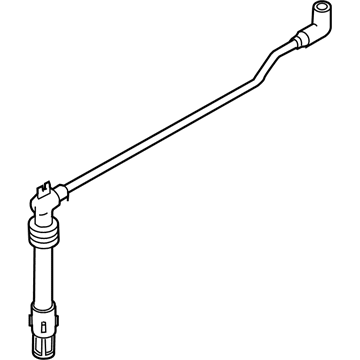
Volkswagen Plug Wire Part Number: 021-905-430-DF
$40.31 MSRP: $55.99You Save: $15.68 (29%)Ships in 1-2 Business DaysProduct Specifications- Other Name: Cable
- Replaces: 021-905-430-BS
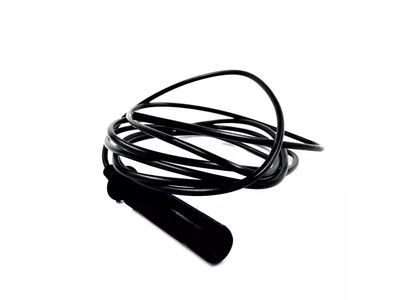
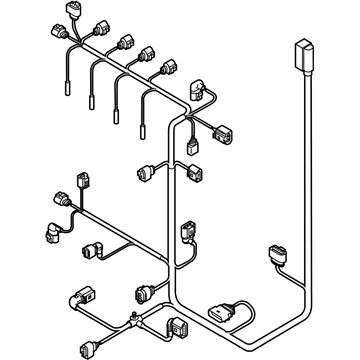
Volkswagen Harness Part Number: 4G0-971-782
$49.91 MSRP: $69.32You Save: $19.41 (28%)Ships in 1-2 Business DaysProduct Specifications- Other Name: Connector; Harnes
- Replaces: 07Z-971-782
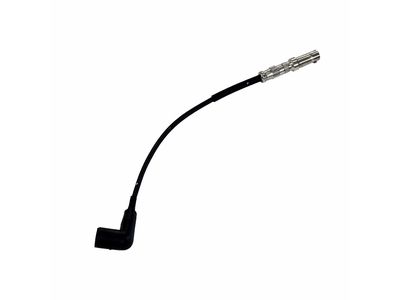
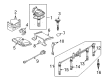
Volkswagen Cable Part Number: 06A-905-430-AM
$48.47 MSRP: $67.32You Save: $18.85 (28%)Ships in 1-2 Business DaysProduct Specifications- Other Name: Plug Wire
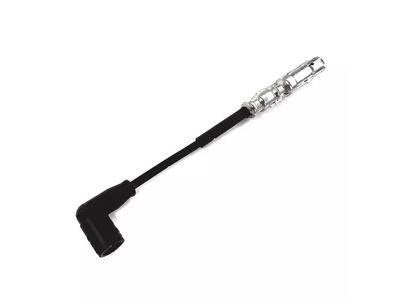
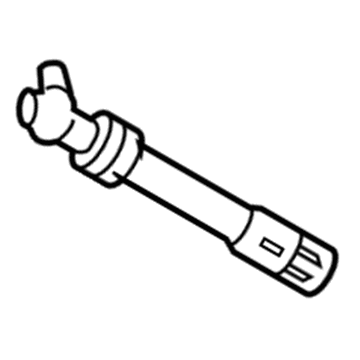
Volkswagen Cable Part Number: 06A-905-430-AE
$48.47 MSRP: $67.32You Save: $18.85 (28%)Ships in 1-2 Business DaysProduct Specifications- Other Name: Plug Wire
- Replaces: 06A-905-430-L
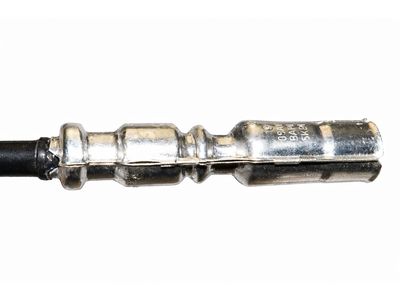
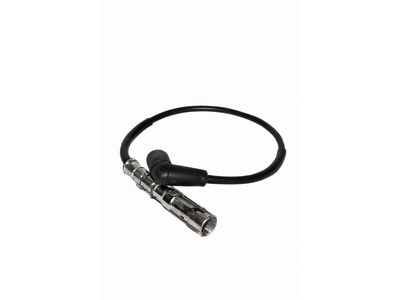
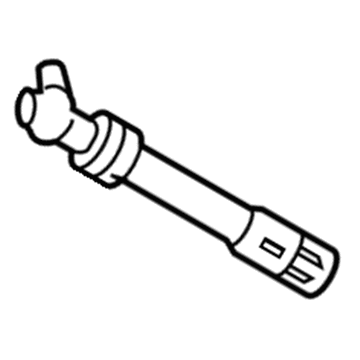
Volkswagen Cable Part Number: 06A-905-430-AD
$48.47 MSRP: $67.32You Save: $18.85 (28%)Ships in 1-2 Business DaysProduct Specifications- Other Name: Plug Wire
- Replaces: 06A-905-430-K
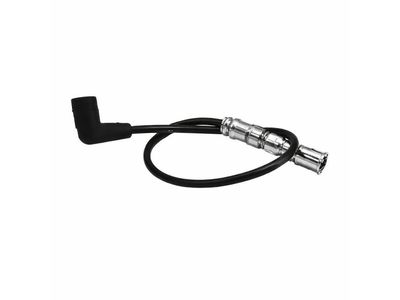
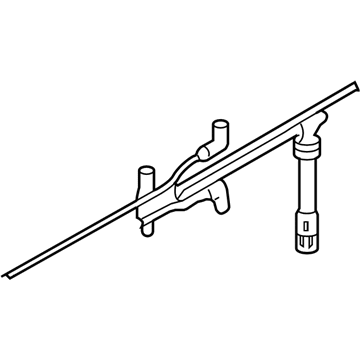
Volkswagen Cable Part Number: 06A-905-430-AC
$48.47 MSRP: $67.32You Save: $18.85 (28%)Ships in 1-2 Business DaysProduct Specifications- Other Name: Plug Wire
- Replaces: 06A-905-430-J
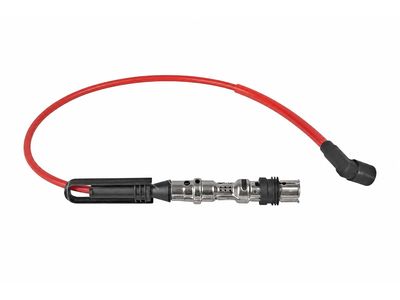
Volkswagen Plug Wire Part Number: 021-905-430-DE
$50.15 MSRP: $69.66You Save: $19.51 (29%)Ships in 1-2 Business DaysProduct Specifications- Other Name: Cable
- Replaces: 021-905-430-BR
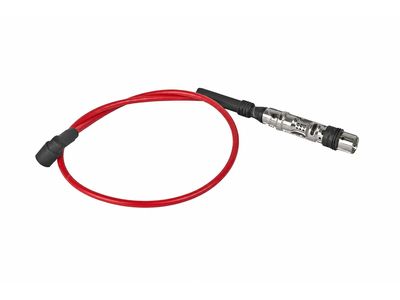
Volkswagen Plug Wire Part Number: 021-905-430-DA
$50.15 MSRP: $69.66You Save: $19.51 (29%)Ships in 1-2 Business DaysProduct Specifications- Other Name: Cable
- Replaces: 021-905-430-BM
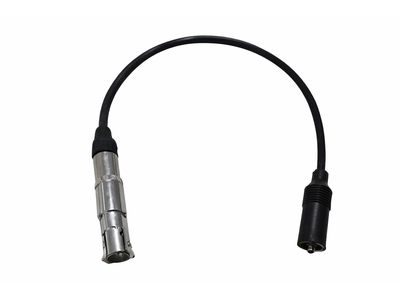
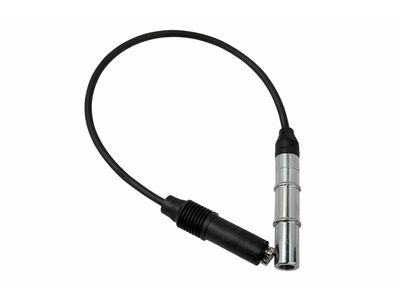
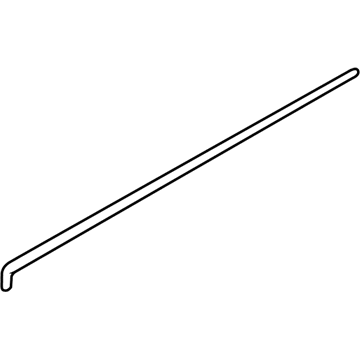
Volkswagen Plug Wire Part Number: N-103-164-03
$57.26 MSRP: $79.54You Save: $22.28 (29%)Ships in 1-2 Business DaysProduct Specifications- Other Name: Cable
- Replaces: N-104-186-04
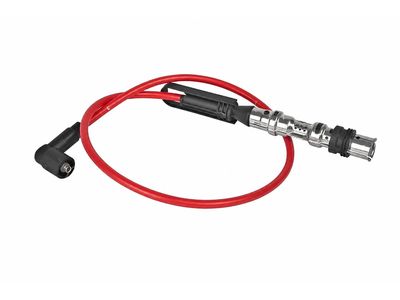
Volkswagen Plug Wire Part Number: 021-905-430-DC
$60.68 MSRP: $84.98You Save: $24.30 (29%)Ships in 1-2 Business DaysProduct Specifications- Other Name: Cable
- Replaces: 021-905-430-BP
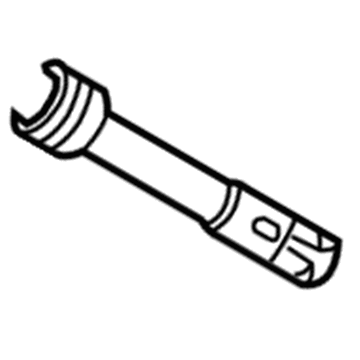
Volkswagen Cable Part Number: 06A-905-430-AN
$48.47 MSRP: $67.32You Save: $18.85 (28%)Ships in 1-2 Business DaysProduct Specifications- Other Name: Plug Wire
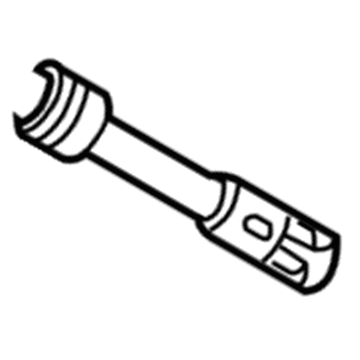
Volkswagen Cable Part Number: 06A-905-430-AL
$48.47 MSRP: $67.32You Save: $18.85 (28%)Ships in 1-2 Business DaysProduct Specifications- Other Name: Plug Wire
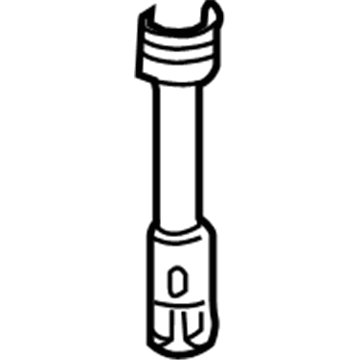
Volkswagen Cable Part Number: 06A-905-430-AK
$48.47 MSRP: $67.32You Save: $18.85 (28%)Ships in 1-2 Business DaysProduct Specifications- Other Name: Plug Wire
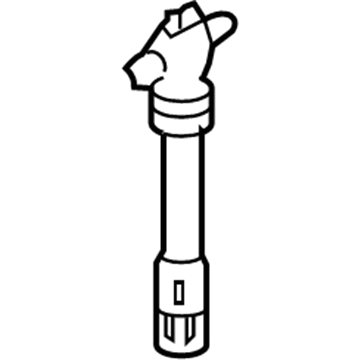
Volkswagen Cable Part Number: 06A-905-430-AF
$48.47 MSRP: $67.32You Save: $18.85 (28%)Ships in 1-2 Business DaysProduct Specifications- Other Name: Plug Wire
- Replaces: 06A-905-430-AG, 06A-905-430-H
Volkswagen Cable Part Number: N-103-164-04
$57.11 MSRP: $79.32You Save: $22.21 (28%)Ships in 1-2 Business DaysProduct Specifications- Other Name: Plug Wire
Volkswagen Plug Wire Part Number: 021-905-430-DD
$60.68 MSRP: $84.98You Save: $24.30 (29%)Ships in 1-2 Business DaysProduct Specifications- Other Name: Cable
- Replaces: 021-905-430-BQ
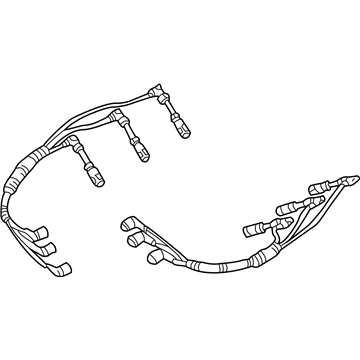
Volkswagen Cable Part Number: 078-905-536-B
$77.34 MSRP: $108.32You Save: $30.98 (29%)Ships in 1-2 Business DaysProduct Specifications- Other Name: Plug Wire
Volkswagen Cable Part Number: 078-905-535-B
$77.34 MSRP: $108.32You Save: $30.98 (29%)Ships in 1-2 Business DaysProduct Specifications- Other Name: Plug Wire
Volkswagen Cable Part Number: 078-905-533-B
$77.34 MSRP: $108.32You Save: $30.98 (29%)Ships in 1-2 Business DaysProduct Specifications- Other Name: Plug Wire
| Page 1 of 3 |Next >
1-20 of 50 Results
Volkswagen Spark Plug Wire
The Volkswagen Spark Plug Wire is responsible for a powerful surge of electricity from coil to plug, which sparks fuel instantly for dependable starts and lively acceleration in every VW vehicle. The brand started out in 1937 with the concept of a people's car, and its Beetle and Type 2 van have demonstrated that simple design can still be exciting to drivers. Modern models feature TSI turbo power, direct fuel injection, digital cockpits, and park assist features that make daily travel simple. The MQB platform reduces weight and cost across the range, and ID.3 plus ID.4 battery models demonstrate that VW is also invested in an electric future, combining streamlined bodies with rock-solid engineering that has earned trust from around the world for decades. Just like the brand's greatly important feature is efficiency, the Spark Plug Wire embodies the same spirit with low resistance spiral core plus silicone and fiberglass insulation, sealing energy even in the presence of heat or vibration; ignition will not be stumbling. Snug boots hold both plug and coil, which helps to make throttle response faster and protect infotainment electronics from interference, while durable jackets resist oil and moisture to lengthen service life. Regular checks for cracks or rising resistance ensure that every engine from classic boxer fours to advanced TSI units hums smoothly and retains the sprightly nature VW fans come to expect.
Buying OEM parts is a smart move to keep your long-term repair costs low. These components are built to last because VW uses such strict factory standards. At VWPartsGiant.com, it is easy to find genuine Volkswagen Spark Plug Wire at prices that actually beat the competition. You get a real manufacturer's warranty with every single part, so you know your purchase is safe. Plus, forget about return headaches since our policy is easy and worry-free. We ship your order fast, too. If you have questions, our team of parts experts is ready to help. Why wait? Start shopping now!
Volkswagen Spark Plug Wire Parts and Q&A
- Q:How should spark plug wires be checked and maintained on Volkswagen Passat?A:Recommended intervals also require checking the spark plug wires as well as whenever new spark plugs are fitted in the engine. The first step is a visual inspection of the spark plug wires, which should be done when the engine is running in a dim garage with a good amount of ventilation. Turn on the starter and pay attention to every plug wire, making sure that you are not touching any parts of the engine that are in motion; a small spark or arc at a broken wire symbolizes a break. The engine is turned off, and the plug wire that is connected to one of the spark plugs is detached by holding the rubber boot, twisting it down a bit then pulling the wire off but not the wire itself. Look inside the boot, in place of corrosion would be white crusty powder, and be sure that the wire and boot are firmly in place on the spark plug, otherwise, with pliers, crimp the metal connector therein. Clean the wire length with a clean rag to get all the dirt and grease off, and see how many holes there are, areas burnt, any cracks and other damage, but do not over bend it. The wire connects the coil pack to the wire; pull it off with a boot pulling tool, if needed, and examine it to make sure that it is free of corrosion and fits the contact. Test the rest of the spark plug wires individually to make sure that they are firmly clamped on at each end. In case the new spark plug wires are required, then buy a set according to the engine model, but they have to be pre-cut and the rubber boots are already attached. Swap the wires sequentially so you do not confuse the firing order, mark the routing of each wire before disconnection and compare the old wires with the new wires to make appropriate replacements.
Related Volkswagen Parts
 Volkswagen Ignition Switch
 Volkswagen Oxygen Sensor
 Volkswagen Instrument Cluster
 Volkswagen Spark Plug
 Volkswagen Headlight Switch
 Volkswagen Body Control Module
 Volkswagen Dimmer Switch
 Volkswagen Hazard Warning Switch
 Volkswagen Ignition Relay
 Volkswagen Relay Block
 Volkswagen Ride Height Sensor
 Volkswagen Temperature Sender
Browse by Model
Beetle Spark Plug Wire Cabrio Spark Plug Wire Cabriolet Spark Plug Wire Corrado Spark Plug Wire EuroVan Spark Plug Wire Fox Spark Plug Wire Golf Spark Plug Wire Jetta Spark Plug Wire Passat Spark Plug Wire Quantum Spark Plug Wire Rabbit Convertible Spark Plug Wire Rabbit Spark Plug Wire Routan Spark Plug Wire Scirocco Spark Plug Wire Vanagon Spark Plug Wire