×
- Hello
- Login or Register
- Quick Links
- Live Chat
- Track Order
- Parts Availability
- RMA
- Help Center
- Contact Us
- Shop for
- Volkswagen Parts

My Garage
My Account
Cart
Genuine Volkswagen Brake Hose
Brake Line- Select Vehicle by Model
- Select Vehicle by VIN
Select Vehicle by Model
orMake
Model
Year
Select Vehicle by VIN
For the most accurate results, select vehicle by your VIN (Vehicle Identification Number).
84 Brake Hoses found
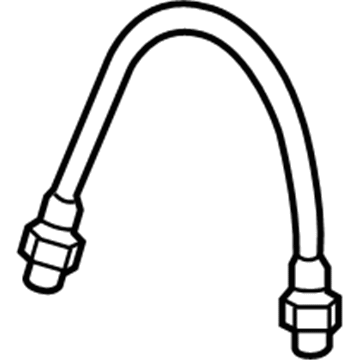
Volkswagen Flex Hose Part Number: 561-611-775-B
$33.47 MSRP: $55.78You Save: $22.31 (40%)Ships in 1-2 Business DaysProduct Specifications- Other Name: Hose; Brake Hose
- Replaces: 561-611-775-A
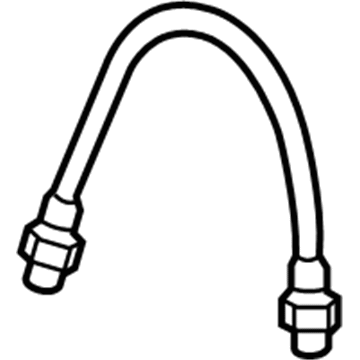
Volkswagen Flex Hose Part Number: 1K0-611-775-D
$36.23 MSRP: $50.32You Save: $14.09 (28%)Ships in 1-2 Business DaysProduct Specifications- Other Name: Hose; Brake Hose
- Position: Driver Side
Volkswagen Flex Hose Part Number: 1K0-611-776
$36.23 MSRP: $50.32You Save: $14.09 (28%)Ships in 1-2 Business DaysProduct Specifications- Other Name: Hose; Brake Hose
- Position: Passenger Side
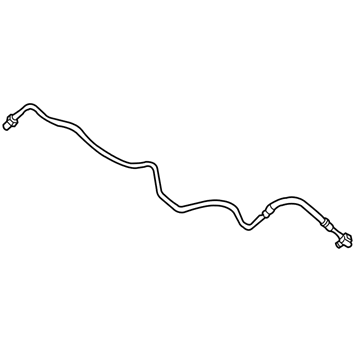
Volkswagen Brake Line Part Number: 1J0-614-750
$36.71 MSRP: $50.98You Save: $14.27 (28%)Ships in 1-2 Business DaysProduct Specifications- Other Name: Flex Hose
- Position: Passenger Side
- Replaces: 1J0-611-764-K, 1J0-611-764-R, 1J0-611-764-AD
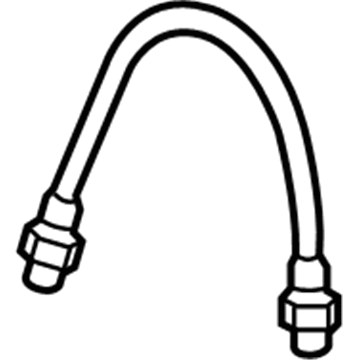
Volkswagen Flex Hose Part Number: 1Q0-611-775-D
$15.73 MSRP: $25.78You Save: $10.05 (39%)Ships in 1-2 Business DaysProduct Specifications- Other Name: Hose; Brake Hose
- Replaces: 1Q0-611-775-A
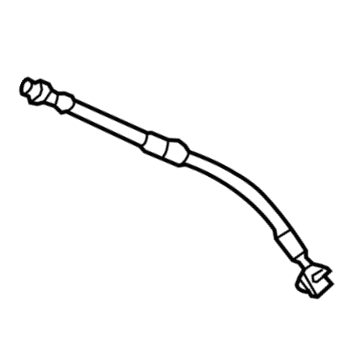
Volkswagen Flex Hose Part Number: 5N0-611-701-A
$36.71 MSRP: $50.98You Save: $14.27 (28%)Ships in 1-2 Business DaysProduct Specifications- Other Name: Hose; Brake Hose
- Replaces: 5N0-611-701
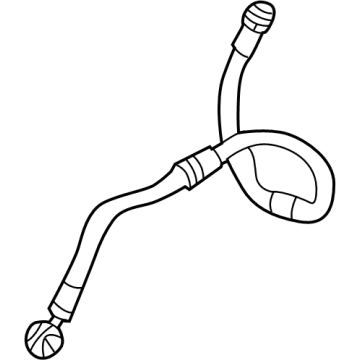
Volkswagen Flex Hose Part Number: 5QM-611-701-C
$36.71 MSRP: $50.98You Save: $14.27 (28%)Ships in 1-2 Business DaysProduct Specifications- Other Name: Hose; Brake Hose
- Replaces: 5QM-611-701-B
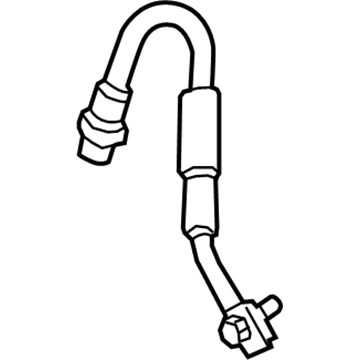
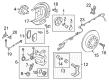
Volkswagen Flex Hose Part Number: 5Q0-611-775-L
$37.31 MSRP: $51.82You Save: $14.51 (28%)Ships in 1-2 Business DaysProduct Specifications- Other Name: Hose; Brake Hose
- Replaces: 5QM-611-775, 5Q0-611-775-E
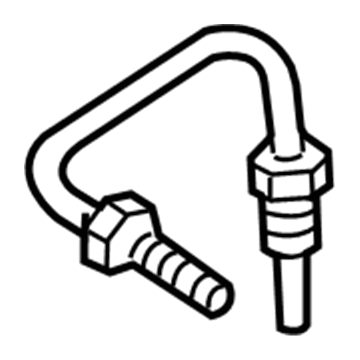
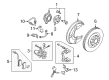
Volkswagen Brake Line Part Number: 3D0-614-763-G
$39.59 MSRP: $54.98You Save: $15.39 (28%)Ships in 1-2 Business DaysProduct Specifications- Position: Driver Side
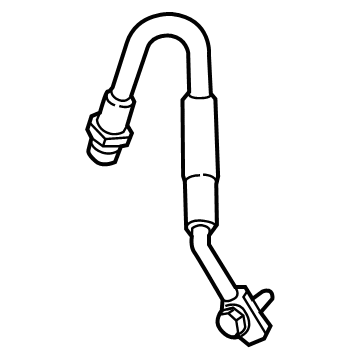
Volkswagen Flex Hose Part Number: 3QF-611-775-A
$39.59 MSRP: $54.98You Save: $15.39 (28%)Ships in 1-2 Business DaysProduct Specifications- Other Name: Hose; Brake Hose
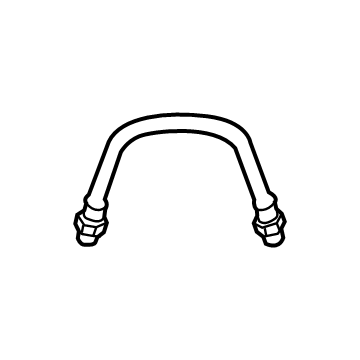
Volkswagen Flex Hose Part Number: 5C0-611-775-C
$39.59 MSRP: $54.98You Save: $15.39 (28%)Ships in 1-2 Business DaysProduct Specifications- Other Name: Hose; Brake Hose
- Position: Driver Side
- Replaces: 561-611-775
Volkswagen Flex Hose Part Number: 5C0-611-775-E
$39.59 MSRP: $54.98You Save: $15.39 (28%)Ships in 1-2 Business DaysProduct Specifications- Other Name: Hose; Brake Hose
- Replaces: 5C0-611-775, 5C0-611-775-D
Volkswagen Flex Hose Part Number: 5C0-611-776
$39.59 MSRP: $54.98You Save: $15.39 (28%)Ships in 1-2 Business DaysProduct Specifications- Other Name: Hose; Brake Hose
- Position: Passenger Side
- Replaces: 561-611-776
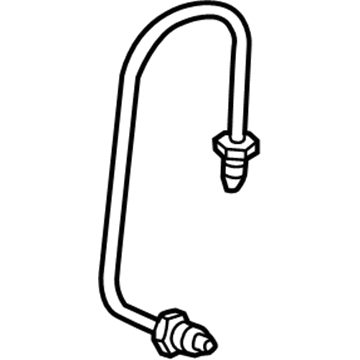
Volkswagen Brake Tube Part Number: 7P0-614-771-A
$19.51 MSRP: $31.98You Save: $12.47 (39%)Ships in 1-2 Business DaysProduct Specifications- Other Name: Brake Line
- Position: Driver Side
- Replaces: 7P0-614-771
Volkswagen Brake Tube Part Number: 7P0-614-772-A
$19.51 MSRP: $31.98You Save: $12.47 (39%)Ships in 1-2 Business DaysProduct Specifications- Other Name: Brake Line
- Position: Passenger Side
- Replaces: 7P0-614-772
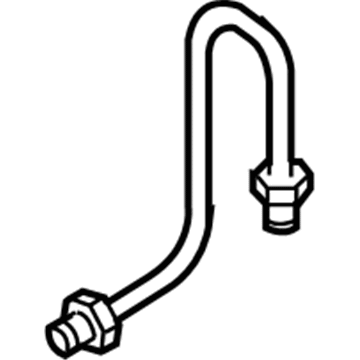
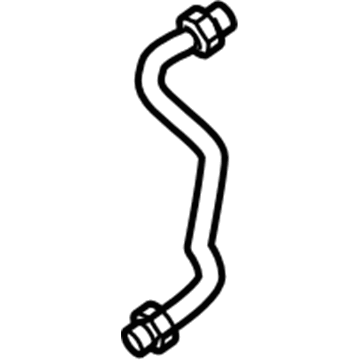
Volkswagen Brake Line Part Number: 7L0-614-771-A
$24.71 MSRP: $41.18You Save: $16.47 (40%)Ships in 1-2 Business DaysProduct Specifications- Position: Driver Side
- Replaces: 7L0-614-771
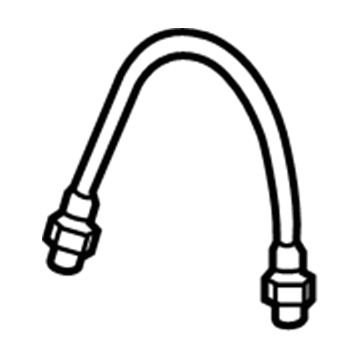
Volkswagen Brake Line Part Number: 4B3-611-722-C
$24.34 MSRP: $39.90You Save: $15.56 (39%)Ships in 1-2 Business DaysProduct Specifications- Position: Passenger Side
- Replaces: 4B3-611-722-B
Volkswagen Flex Hose Part Number: 1K0-611-775-C
$34.91 MSRP: $58.18You Save: $23.27 (40%)Ships in 1-2 Business DaysProduct Specifications- Other Name: Hose; Brake Hose
- Replaces: 1K0-611-775, 3C0-611-775, 1K0-611-775-A
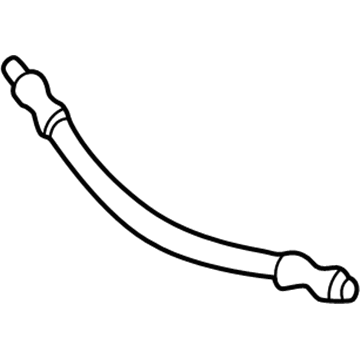
Volkswagen Brake Line Part Number: 3D0-614-764-K
$36.59 MSRP: $50.82You Save: $14.23 (28%)Ships in 1-2 Business DaysProduct Specifications- Position: Passenger Side
- Replaces: 3D0-614-764-D, 3D0-614-764-G
Volkswagen Hose Part Number: BAT-611-775
$12.08 MSRP: $19.80You Save: $7.72 (39%)Ships in 1-2 Business DaysProduct Specifications- Other Name: Brake Hose, Flex Hose
| Page 1 of 5 |Next >
1-20 of 84 Results
Volkswagen Brake Hose
Volkswagen Brake Hose maintains hydraulic force stability so each time you press the pedal means confident stopping power, one simple part with a big role in everyday safety. Since 1937 VW has been pursuing the dream of a reliable people car, from the legendary Beetle to modern ID electric models, and that pursuit is visible in such smart platforms as MQB, efficient TSI turbo engines, and helpful technologies such as the digital cockpit, park assist, and MIB infotainment that make driving easy and fun. VW balances clean styling with sturdy engineering, regardless of whether you choose a compact hatch, a roomy van, or a sleek fastback, and the brand's move towards electric mobility is proof it continues to innovate but also respects its roots in practicality, affordability, and wide appeal. Just as the entire system is dedicated to trust and control, the flexible Brake Hose is applied to connect the rigid brake lines to the wheels in charge of steering and bouncing, which carry fluid without bursting, kinking, or expanding under heat and pressure. High-quality rubber or braided materials combat abrasion, salt, and debris to keep the pedal firm and response immediate in every model. Regular visual inspection of each hose is a way of catching the cracks or swelling early, keeping even pad wear and the crisp braking feel that drivers expect from every car on the road.
Buying OEM parts is a smart move to keep your long-term repair costs low. These components are built to last because VW uses such strict factory standards. At VWPartsGiant.com, it is easy to find genuine Volkswagen Brake Hose at prices that actually beat the competition. You get a real manufacturer's warranty with every single part, so you know your purchase is safe. Plus, forget about return headaches since our policy is easy and worry-free. We ship your order fast, too. If you have questions, our team of parts experts is ready to help. Why wait? Start shopping now!
Volkswagen Brake Hose Parts and Q&A
- Q: How to effectively inspect and replace brake hoses and metal brake lines in a vehicle's brake system on Volkswagen Jetta?A:Check the rubber hoses connecting the steel brake lines with the front and rear brake assemblies once a year, when the vehicle is raised and is well supported on jackstands, to identify cracks, chafing, leakages, blisters, and other damage to the rubber hose since they are vital parts of the brake system. Conduct a proper examination with a light and a mirror and remove any hose that demonstrates wear. In the case of the front brake hose, slacken the wheel bolts, lift the vehicle and take off the wheel. Record the installation of the hose fitting tabs on the frame bracket to stop twisting. Slide a hose-fitting in an open-end into place and loosen a brake line-fitting with a flare-nut wrench without rounding the nut but ensure the spring clip is not lost. Unscrew the brake hose by unscrewing the inlet fitting bolt and casting off the old sealing washers. Unclip the spring on the bracket on the lower end of the strut and pull the hose out of the bracket. Installation steps included installing the new hose into a bracket, attaching the spring clip using new sealing washers and not twisting the hose then tightening the caliper inlet fitting bolt. Install the brake line fitting by connecting the hose at which point you start the threads by hand followed by adding the spring clip and snapping it in place. In the case of the rear brake hose, which has an opening at each end that is held together by a spring clip, hold the hose fitting open by an open-end wrench and unscrew the brake line fitting, removing the spring clip with pliers. On the caliper end, attach the hose fitting with a flare nut wrench and then connect and tighten it. In the case of rear drum brakes, unscrew the brake line connection out of the wheel cylinder, disassemble the line out of the plastic clips attached to it along the rear axle, and pull it out of the car. Installation is the opposite of removal; make sure that the line is tightened and bleed the caliper or wheel cylinder to which the replaced line was connected. Brake lines in metal replacement should be of pure steel and not copper tubes. Ready-made brake lines with flared tube ends are sold in auto parts shops, as well as fittings installed. Make sure that the new line is firmly held in brackets with sufficient clearance of the moving or hot parts. Once it has been installed, check the level of the master cylinder fluid, fill it when needed, bleed the brakes and test the brakes before driving.
- Q: How often should you inspect the brake hose connecting the steel brake lines with the brake assemblies on Volkswagen Passat?A:The rubber hoses of the steel brake lines should be inspected at a regular rate of about every six months, with the vehicle elevated and placed upon jackstands, to check cracks, chafing, leaks, blisters and other damage in the hoses, since they are vital components of the brake system. A check will be conducted properly with the help of a light and a mirror, and hoses with traces of wear must be changed. To reduce wastage of fluid during replacement of any pipe/ hose, place the polyethylene over the top of the master cylinder reservoir before fitting it or screw a brake hose before clamping a brake hose and then plug or cap metal brake line fittings immediately after disconnection. Put any rag under any appropriate fitting to prevent any spilled fluid and when removing a flexible hose, unscrew brake line fitting and remove spring clip where the hose is attached. The fitting nuts should be unscrewed with a flare nut wrench, to prevent rounded off corners, and the fitting and the surrounding place should be cleaned. Where a component has a number of fittings, record the connections carefully in case it is removed. Replacing metal brake lines, replace with the correct parts not with copper tubing, and use prefabricated brake lines, which are sold by auto parts stores and have to be curved to the right shapes. Make sure that the new line is well bracketed with a clearance of moving or hot parts and should not overtighten fitting nuts. Ensure that the pipes and hoses are properly laid without kinking and fixed in the supplied clips or brackets. Once installed, drain the hydraulic system by removing the polyethylene sheet in the reservoir, wash and dry any spill in the hydraulic system with water and leaks.
Related Volkswagen Parts
 Volkswagen Alternator Pulley
 Volkswagen Coolant Pipe
 Volkswagen Air Suspension Compressor
 Volkswagen Automatic Transmission Seal
 Volkswagen Exhaust Heat Shield
 Volkswagen Exhaust Manifold Gasket
 Volkswagen Fuel Filler Housing
 Volkswagen Fuel Injection Pump
 Volkswagen Spark Plug Wire
 Volkswagen Tailgate Handle
 Volkswagen Track Bar
 Volkswagen Vapor Canister
Browse by Model
Arteon Brake Hose Atlas Brake Hose Atlas Cross Sport Brake Hose Beetle Brake Hose Cabrio Brake Hose Cabriolet Brake Hose CC Brake Hose Corrado Brake Hose e-Golf Brake Hose Eos Brake Hose EuroVan Brake Hose Fox Brake Hose Golf Alltrack Brake Hose Golf Brake Hose Golf R Brake Hose Golf SportWagen Brake Hose GTI Brake Hose ID.4 Brake Hose Jetta Brake Hose Passat Brake Hose Phaeton Brake Hose Quantum Brake Hose R32 Brake Hose Rabbit Brake Hose Routan Brake Hose Scirocco Brake Hose Taos Brake Hose Tiguan Brake Hose Tiguan Limited Brake Hose Touareg Brake Hose Vanagon Brake Hose