×
- Hello
- Login or Register
- Quick Links
- Live Chat
- Track Order
- Parts Availability
- RMA
- Help Center
- Contact Us
- Shop for
- Volkswagen Parts

My Garage
My Account
Cart
Genuine Volkswagen Passat Wheel Bearing
Hub Bearing- Select Vehicle by Model
- Select Vehicle by VIN
Select Vehicle by Model
orMake
Model
Year
Select Vehicle by VIN
For the most accurate results, select vehicle by your VIN (Vehicle Identification Number).
9 Wheel Bearings found
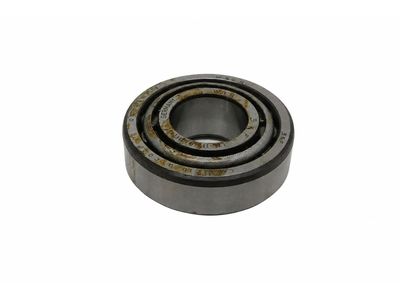
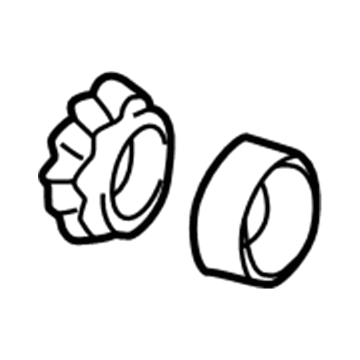
Volkswagen Passat Wheel Bearing Part Number: 311-405-645-B
$23.41 MSRP: $38.39You Save: $14.98 (40%)Ships in 1-2 Business Days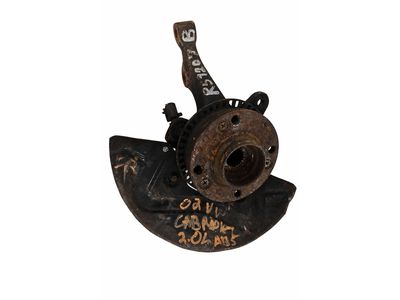
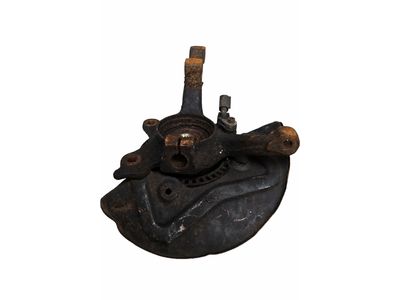
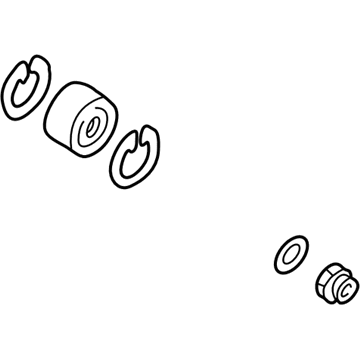
Volkswagen Passat Wheel Bearing Part Number: 357-498-625-C
$128.15 MSRP: $179.48You Save: $51.33 (29%)Ships in 1-2 Business Days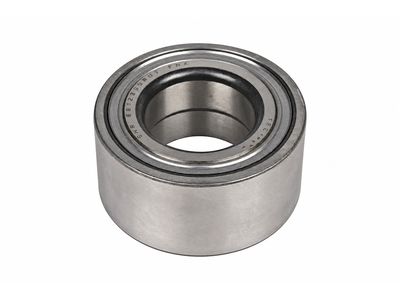
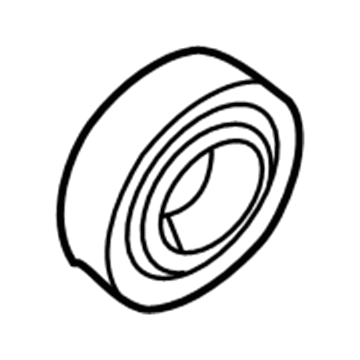
Volkswagen Passat Bearing Part Number: 893-407-625-C
$148.75 MSRP: $208.33You Save: $59.58 (29%)Ships in 1-2 Business Days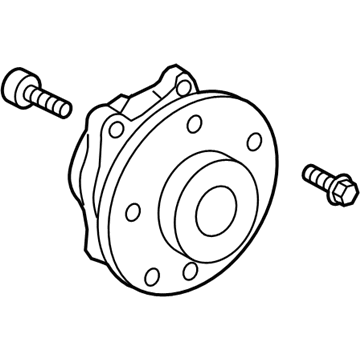
Volkswagen Passat Hub Part Number: 5K0-498-621
$66.21 MSRP: $92.73You Save: $26.52 (29%)Ships in 1-2 Business DaysVolkswagen Passat Wheel Bearing Part Number: 311-405-625-N
$70.20 MSRP: $98.31You Save: $28.11 (29%)Ships in 1-2 Business Days
Volkswagen Passat Wheel Bearing Part Number: 1H0-498-625
$83.10 MSRP: $116.38You Save: $33.28 (29%)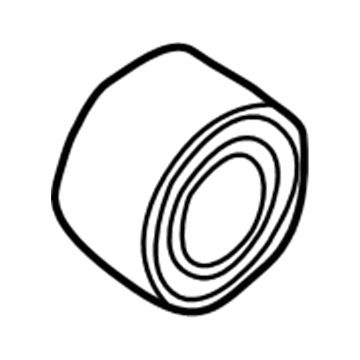
Volkswagen Passat Front Wheel Bearing Part Number: 4B0-498-625
$134.46 MSRP: $188.32You Save: $53.86 (29%)Ships in 1-2 Business Days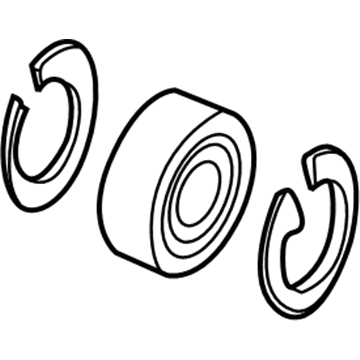
Volkswagen Passat Bearing Part Number: 4D0-407-625-H
$292.79 MSRP: $399.99You Save: $107.20 (27%)Ships in 1-2 Business Days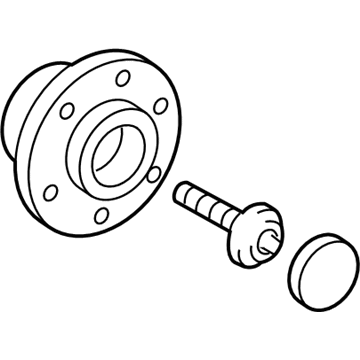
Volkswagen Passat Hub & Bearing Part Number: 3G0-598-611-A
Volkswagen Passat Wheel Bearing
Volkswagen Passat Wheel Bearing allows each wheel to rotate easily with little friction, which protects the safety and quality of the ride. The race is a ring built into the Volkswagen wheel hub that carries precision steel balls or tapered rollers, which minimize drag as the wheel turns. The highly frequent modern usage of an integral hub and bearing unit in Volkswagen vehicles is an integral design incorporating an ABS sensor, which is packaged as a complete, factory-sealed unit, and therefore, when wear or noise is detected, the entire unit is replaced instead of being disassembled. In certain front-drive designs, the steering knuckle should be removed, then a press is applied to separate the hub and bearing, followed by the replacement of the sealed unit, a design that nevertheless ensures accuracy and long life when refitted. Rear axles with earlier or non-driven kinds of gears on some Volkswagen vehicles applied opposed tapered roller bearings, which could be removed, cleaned, greased, and replaced individually, providing owners an option to service their own bearings but requiring proper adjustment of preload to prevent early failure. The primary distinction between the sealed unit style and the tapered roller style is the maintenance aspect, where the sealed unit is not serviceable but requires no maintenance, unlike the roller setup, which is serviceable but has to be inspected frequently. In either case, a healthy Wheel Bearing keeps wobble down to a minimum, ensures that all is in a straight line, and ensures that braking and cornering are consistent for all Passat drivers. Frequent growl listening and play checking assist in identifying a faulty Wheel Bearing before the vehicle loses control.
Choose OEM Wheel Bearing for superior quality and long-lasting durability. They match the Volkswagen's factory specifications exactly and pass strict quality control. If you plan to replace Wheel Bearing on your Passat, put OEM at the top of your list. You'll get the right fit, reliable performance, and peace of mind. We stock an extensive inventory of genuine Volkswagen Passat parts. It is easy to find what you need. You will love our competitive prices that help you save. No more hassle with returns or guesswork. Every part includes a warranty straight from the manufacturer. Get trusted quality, strong durability, and real value today.
Volkswagen Passat Wheel Bearing Parts and Q&A
- Q:How to properly remove and replace the wheel bearing and wheel hub on Volkswagen Passat?A:Unscrew the rear wheel bolts and then elevate the rear of the car and place it safely on jackstands then remove the wheel. Loose the brake caliper, including the hose, but not the component of the mounting bracket and disc, or the brake drum. In models that have rear disc brakes, suspend the caliper using a strip of wire to prevent tension on the brake hose. With a hammer and a big chisel, tap and pry out the cap in the centre of the brake disc, substitute it with a new disc should it be distorted. You will need to loosen the cotter pin of the hub nut, the nut lock, and lose the cotter pin, and a replacement one must be obtained when reassembling. Take the place of the rear hub nut, push the washer off, and the outer bearing, then the disc can be slipped down the stub axle. Lift the grease seal off the hub without scratching the rotor of the ABS wheel speed sensor and remove the inner bearing. Evacuate the races with an appropriate soft metal drift without any harm to the rotor of the hub and ABS speed sensor, and only evict them when changing the bearings. Clean the bearer race points in the hub and insert a bushing or bearing driver pushing the new races into place making sure that they fit into the location squarely and fully. Apply grease to the bearings, fit in the inner bearing and stuff the gap between the seal lip and the casing with grease and then grease the seal into place by pushing it into place. Grease the seal lip with grease, put additional grease on the center of the hub and then fit it on the stub axle and then the outer bearing, thrust washer and hub retaining nut. Turn the hub and screw the hub nut in slowly to about 15 ft-lbs to create the bearings correctly seated, and then loosen the nut until it becomes just loose and then secure it by hand. Install the washer, ensuring that a screwdriver can ensure the washer is moved to one side, screwdriver, add a nut lock, and add a new cotter pin, and take care not to install the nut too tightly, since it will wear out the bearing prematurely. Apply the grease into the dust cap and push it into place then position the brake caliper and then attach the wheel and the bolts, pushing the vehicle down and tying the bolts to the required torque. Play should be checked after several hundred miles (unless a new bearing has been installed in which case re-checking may be needed). In models of VW Passat that have sealed bearings, loosen the hub-to-rear axle bolts using the holes in the hub flange, strip the bearing assembly off the axle, and loosen any attached stubbornly by striking it sideways. Installation is the opposite of removal, where the area of hub-to-axle mating surfaces should be clean, and the mounting bolts should be tightened to the required amount and the caliper and wheel bolts attached and then the vehicle should be lowered and the bolts attached. In all-wheel drive models, some special tools and skills are needed and, as such, this task ought to be assigned to a qualified mechanic, though the rear knuckle and hub can be removed and brought to an appropriate repair shop.
Related Volkswagen Passat Parts
 Volkswagen Passat Brake Pads
 Volkswagen Passat ABS Pump And Motor Assembly
 Volkswagen Passat Brake Bleeder Screw
 Volkswagen Passat Brake Booster Vacuum Hose
 Volkswagen Passat Brake Caliper Bolt
 Volkswagen Passat Brake Dust Shields
 Volkswagen Passat Brake Line
 Volkswagen Passat Brake Tubing Clips
 Volkswagen Passat Parking Brake Actuator
 Volkswagen Passat Transmission Sensor
 Volkswagen Passat Wheel Cylinder
 Volkswagen Passat Wheel Hub
Browse by Year
2022 Wheel Bearing 2021 Wheel Bearing 2020 Wheel Bearing 2019 Wheel Bearing 2018 Wheel Bearing 2017 Wheel Bearing 2016 Wheel Bearing 2015 Wheel Bearing 2014 Wheel Bearing 2013 Wheel Bearing 2012 Wheel Bearing 2010 Wheel Bearing 2009 Wheel Bearing 2008 Wheel Bearing 2007 Wheel Bearing 2006 Wheel Bearing 2005 Wheel Bearing 2004 Wheel Bearing 2003 Wheel Bearing 2002 Wheel Bearing 2001 Wheel Bearing 2000 Wheel Bearing 1999 Wheel Bearing 1998 Wheel Bearing 1997 Wheel Bearing 1996 Wheel Bearing 1995 Wheel Bearing 1994 Wheel Bearing 1993 Wheel Bearing 1992 Wheel Bearing 1991 Wheel Bearing 1990 Wheel Bearing