×
- Hello
- Login or Register
- Quick Links
- Live Chat
- Track Order
- Parts Availability
- RMA
- Help Center
- Contact Us
- Shop for
- Volkswagen Parts

My Garage
My Account
Cart
Genuine Volkswagen Cabrio Fuse Box
Fuse Holder Box- Select Vehicle by Model
- Select Vehicle by VIN
Select Vehicle by Model
orMake
Model
Year
Select Vehicle by VIN
For the most accurate results, select vehicle by your VIN (Vehicle Identification Number).
2 Fuse Boxes found
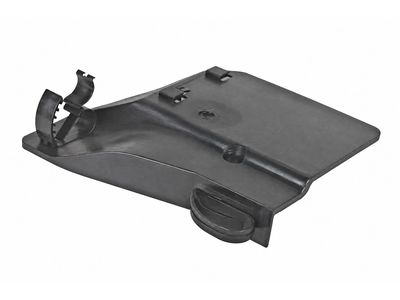
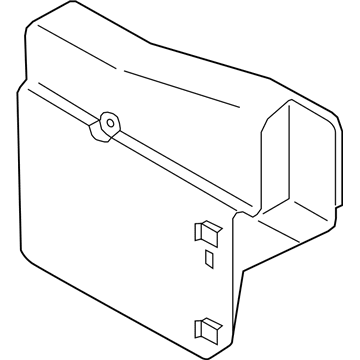
Volkswagen Cabrio Fuse Box Part Number: 1H1-971-821
$27.00 MSRP: $45.00You Save: $18.00 (40%)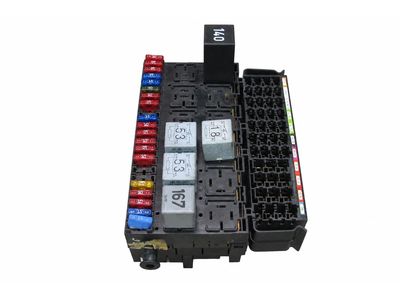
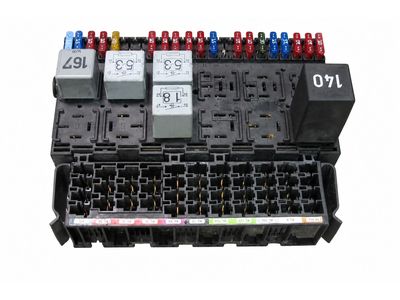
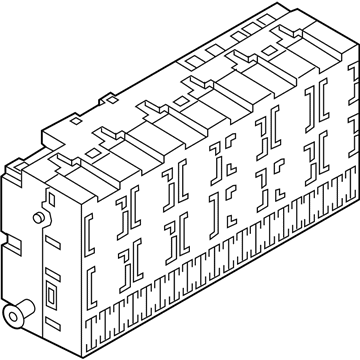
Volkswagen Cabrio Fuse Box Part Number: 357-937-039
$692.34 MSRP: $873.07You Save: $180.73 (21%)Ships in 1-2 Business Days
Volkswagen Cabrio Fuse Box
Choose OEM Fuse Box for superior quality and long-lasting durability. They match the Volkswagen's factory specifications exactly and pass strict quality control. If you plan to replace Fuse Box on your Cabrio, put OEM at the top of your list. You'll get the right fit, reliable performance, and peace of mind. We stock an extensive inventory of genuine Volkswagen Cabrio parts. It is easy to find what you need. You will love our competitive prices that help you save. No more hassle with returns or guesswork. Every part includes a warranty straight from the manufacturer. Get trusted quality, strong durability, and real value today.
Volkswagen Cabrio Fuse Box Parts and Q&A
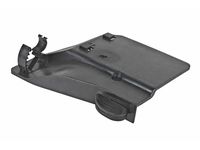
- Q:What are the locations of Fuse Box and Relay Boxes, and How to replace them on Volkswagen Cabrio?A:The fuses can be found at the back of the fusebox cover to the driver side lower dash panel that can be accessed by pressing both cover buttons in and unclips the cover out of the dash. The fuses are fitted in a row beneath the relays, and a list of the circuits that each fuse covers is stamped on the cover of the fuse; extra fuses can be located in additional holders above the relays, or in the engine compartment, depending on the model. To insert a fuse, one needs to turn off the corresponding circuit or ignition and carefully extract the fuse, making sure that a broken or melted wire is not present to find out whether it is burnt. Always substitute a fuse with one of similar value as shown on the top and color-coded, and when a new fuse is blown instantly, seek the reason, probably through faulty insulation. The vehicle should also have spares of all the necessary ratings. Diesel models include fusible link on glow plug circuit, gasoline and diesel models include fusible link on radiator cooling fan run-on supply; make sure the ignition is off before replacing the fusible link, which is available by unclips the cover and slipping the fusible link out once the retaining screws are loosened. There are also relays behind the fusebox cover which would only be accessed by unclipsing the cover and removing the trim panel. When a relay is suspected of not working, one can hear a clicking noise when the system is being used; in case of no sound, then it might be not receiving power or it can be faulty. To install a new relay, first make sure the ignition is switched off, then carefully remove the old relay and then clip in the new one and make sure that the fusebox has been fixed and that the lower dash panel is then replaced.
Related Volkswagen Cabrio Parts
 Volkswagen Cabrio Battery Fuse
 Volkswagen Cabrio Distributor Cap
 Volkswagen Cabrio Engine Control Module
 Volkswagen Cabrio Flasher Relay
 Volkswagen Cabrio Fog Light Relay
 Volkswagen Cabrio Fuse
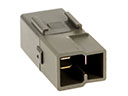 Volkswagen Cabrio Horn Relay
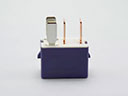 Volkswagen Cabrio Ignition Relay
 Volkswagen Cabrio Ignition Switch
 Volkswagen Cabrio Relay
 Volkswagen Cabrio Starter Relay
 Volkswagen Cabrio Wiper Motor