×
- Hello
- Login or Register
- Quick Links
- Live Chat
- Track Order
- Parts Availability
- RMA
- Help Center
- Contact Us
- Shop for
- Volkswagen Parts

My Garage
My Account
Cart
Genuine Volkswagen Clutch Master Cylinder
- Select Vehicle by Model
- Select Vehicle by VIN
Select Vehicle by Model
orMake
Model
Year
Select Vehicle by VIN
For the most accurate results, select vehicle by your VIN (Vehicle Identification Number).
12 Clutch Master Cylinders found
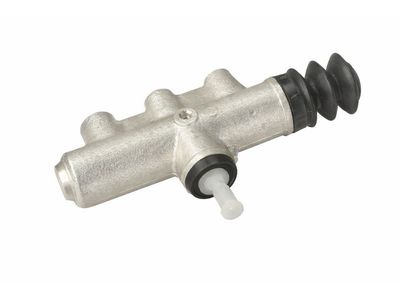
Volkswagen Master Cylinder Part Number: 251-721-401-A
$97.89 MSRP: $137.10You Save: $39.21 (29%)Product Specifications- Other Name: Cylinder
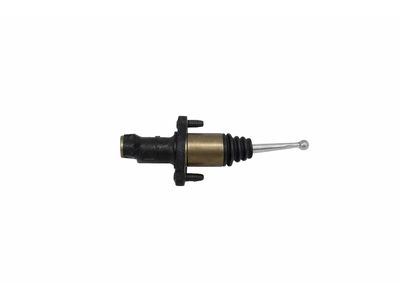
Volkswagen Master Cylinder Part Number: 1H1-721-401
$117.81 MSRP: $165.00You Save: $47.19 (29%)Product Specifications- Other Name: Cylinder
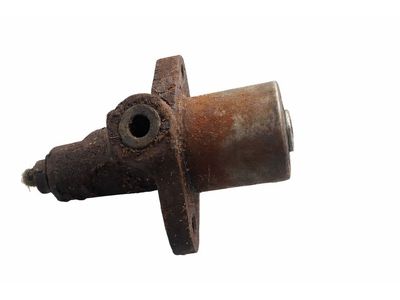
Volkswagen Master Cylinder Part Number: 3A1-721-388
$138.52 MSRP: $194.00You Save: $55.48 (29%)Product Specifications- Other Name: Cylinder
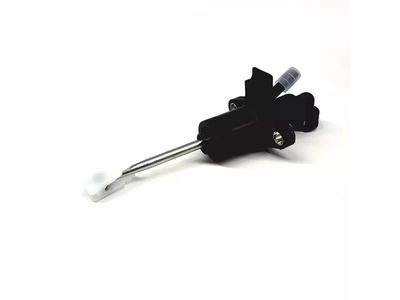
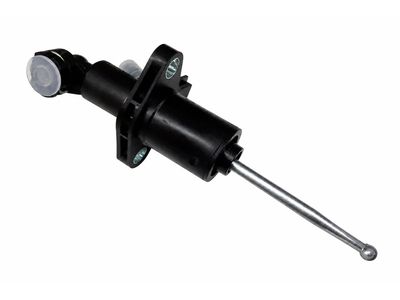
Volkswagen Master Cylinder Part Number: 1J1-721-388-G
$165.30 MSRP: $231.51You Save: $66.21 (29%)Ships in 1-2 Business DaysProduct Specifications- Other Name: Cylinder
- Replaces: 1J1-721-388-A, 1J1-721-388-E
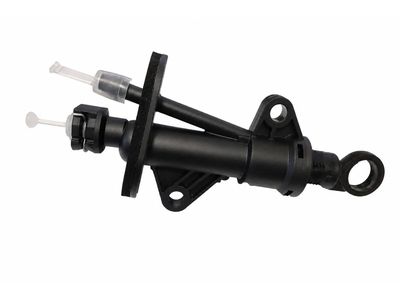
Volkswagen Master Cylinder Part Number: 5Q0-721-388-J
$184.99 MSRP: $259.07You Save: $74.08 (29%)Ships in 1-2 Business DaysProduct Specifications- Other Name: Cylinder
- Replaces: 5Q0-721-388-G
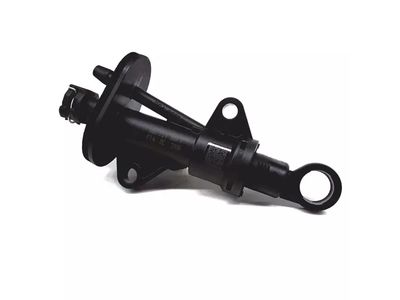
Volkswagen Master Cylinder Part Number: 5Q0-721-388-H
$185.54 MSRP: $259.86You Save: $74.32 (29%)Ships in 1-2 Business DaysProduct Specifications- Other Name: Cylinder
- Replaces: 5Q0-721-388-F
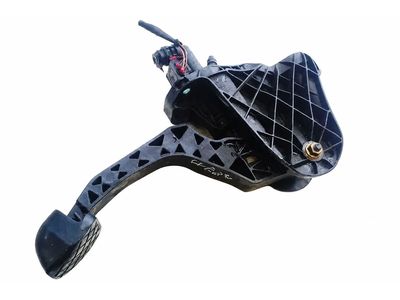
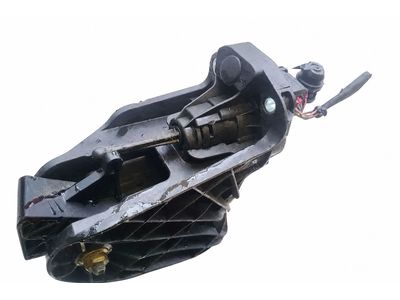
Volkswagen Master Cylinder Part Number: 3C0-721-388-B
$187.60 MSRP: $262.75You Save: $75.15 (29%)Ships in 1-2 Business DaysProduct Specifications- Other Name: Cylinder
- Replaces: 3C0-721-388
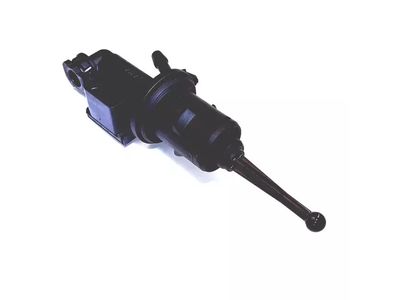
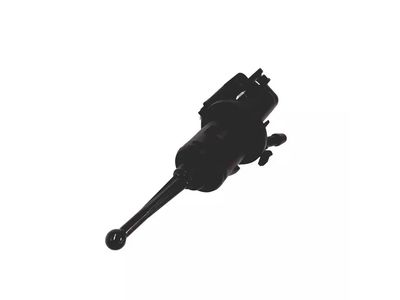
Volkswagen Master Cylinder Part Number: 1K0-721-388-AG
$212.53 MSRP: $297.66You Save: $85.13 (29%)Ships in 1-2 Business DaysProduct Specifications- Other Name: Cylinder
- Replaces: 1K0-721-388-AE, 1K0-721-388-AA
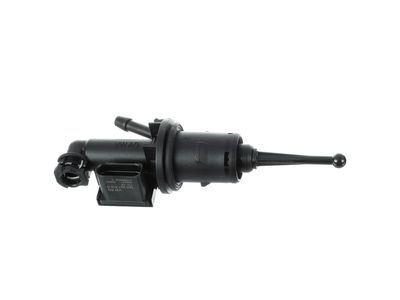
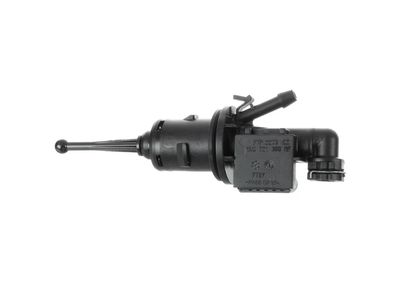
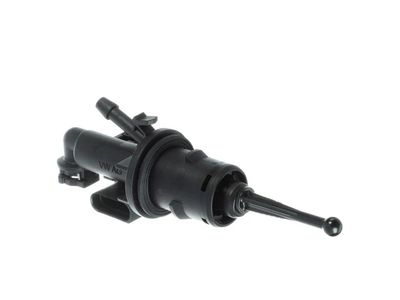
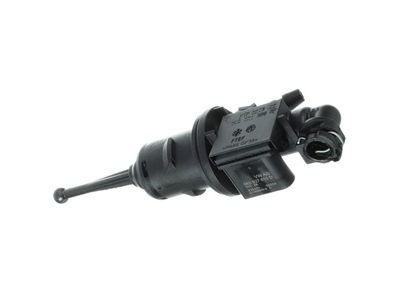
Volkswagen Master Cylinder Part Number: 1K0-721-388-AF
$174.92 MSRP: $244.98You Save: $70.06 (29%)Ships in 1-2 Business DaysProduct Specifications- Other Name: Cylinder
- Replaces: 1K0-721-388-AC, 1K0-721-388-G, 1K0-721-388-L, 1K0-721-388-S, 1K0-721-388-AB
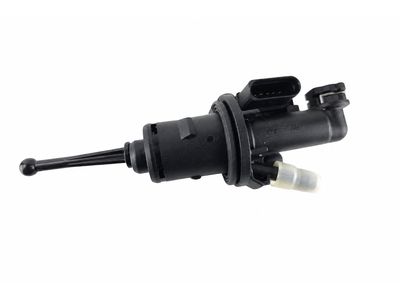
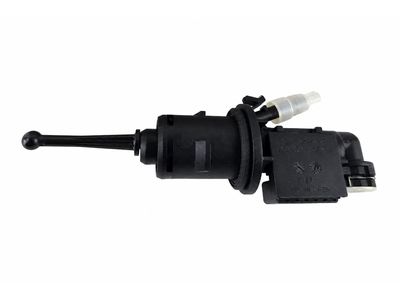
Volkswagen Master Cylinder Part Number: 3C0-721-388-P
$216.47 MSRP: $303.17You Save: $86.70 (29%)Ships in 1-2 Business DaysProduct Specifications- Other Name: Cylinder
- Replaces: 3C0-721-388-N, 3C0-721-388-J, 3C0-721-388-E, 3C0-721-388-C, 3C0-721-388-M, 3C0-721-388-G

Volkswagen Master Cylinder Part Number: 357-721-401
$133.52 MSRP: $187.00You Save: $53.48 (29%)Product Specifications- Other Name: Cylinder
Volkswagen Master Cylinder Part Number: 701-721-401
$147.69 MSRP: $206.85You Save: $59.16 (29%)Product Specifications- Other Name: Cylinder
Volkswagen Clutch Master Cylinder
The Volkswagen Clutch Master Cylinder converts each press of the pedal into a pure burst of hydraulic force that allows gears to slide in smoothly and keeps driveline wear low. VW cars have long combined smart engineering with a friendly spirit, from the classic Beetle to the ID electric lineup of today, and owners trust the brand for solid build quality, agile TSI engines, digital cockpits, and park assistance that make daily travel a breeze. Founded in 1937 with the goal of building a reliable people car, the brand still follows that mission with modular MQB platforms that cut weight and boost safety, while MIB infotainment and head-up displays keep drivers connected. Whether rolling in a roomy Type 2 inspired van or a sleek ID.4, VW drivers enjoy consistent handling, efficient fuel use, and simple, timeless design with a resistance to trends. Inside this lineup, the Clutch Master Cylinder plays a silent but vital role by pumping fluid toward the slave cylinder in order to separate the flywheel and friction disc the instant your foot goes down to prevent grind from happening and ensure light pedal feel. Its small pump design limits fluid loss, combats spongy responses, and provides redundancy to ensure shifting remains reliable after long miles. Regular fluid checks make sure the system is crisp, allowing every VW shift to feel confident and fun.
Buying OEM parts is a smart move to keep your long-term repair costs low. These components are built to last because VW uses such strict factory standards. At VWPartsGiant.com, it is easy to find genuine Volkswagen Clutch Master Cylinder at prices that actually beat the competition. You get a real manufacturer's warranty with every single part, so you know your purchase is safe. Plus, forget about return headaches since our policy is easy and worry-free. We ship your order fast, too. If you have questions, our team of parts experts is ready to help. Why wait? Start shopping now!
Volkswagen Clutch Master Cylinder Parts and Q&A
- Q:What precautions should be taken when disconnecting the battery and removing the clutch master cylinder on Volkswagen Jetta?A:In case the battery is removed, a number of systems will have to be re-learned before they can run to perfection. Start with unplugging the cable of the negative terminal of the battery. Then take off the clutch pedal assembly. To US models, remove the clutch pedal switch, push in the sides of the three retainers connecting the master cylinder with the brake pedal assembly, and remove the mounting pin, and then pull the master cylinder assembly out of the brake pedal assembly. In the case of Jetta models, you should disconnect the clip tabs to each side of the peddle that hold the clutch master cylinder push rod to the peddle, and a spacer of about 1-1/2 inches (40 mm) long should be inserted between the clutch peddle and the stop of the peddle. Disconnect the clutch master cylinder to the clutch pedal assembly, counterclockwise rotate the clutch master cylinder and take it out of the pedal bracket. To install into Golf models, remove and reverse the installation order and install a new part instead of the mounting pin. In Jetta, delete the spacer, and install the clutch master cylinder in the pedal bracket followed by installing the clip on the end of the pushrod. Install the spacer again between the clutch pedal and the clutch pedal stop, insert the master cylinder into the clutch pedal bracket and twist it clockwise and fix it in place. Lastly, press the master cylinder push rod into the pedal until the clip on the end of the pushrod snaps into place in the pedal. To fit all models, fit up the clutch pedal assembly, tighten up all fasteners to the required torque values, bleed the clutch hydraulic system, and check the brake fluid level in the reservoir, adding as required to reach the required level.
- Q:What precautions should be taken when disconnecting the battery and removing the clutch master cylinder on Volkswagen Rabbit?A:In case the battery is disconnected, there are a number of systems that will need to be re-learned before they can work correctly. In order to disconnect the clutch master cylinder, disconnect the cable with the negative side of the battery. Then take out the pedal assembly of the clutch. This is done by pin punching or small screwdriver disconnecting the clip tab on each side of the clutch pedal that attaches the clutch master cylinder push rod to the pedal. Install a spacer between the pedal of the throttle and the pedal of the clutch as long as 1-1/2 inches (40 mm) that can be a standard half inch drive socket. Unscrew the master clutch cylinder lock to the master clutch pedal assembly and then turn the master clutch cylinder anti-clockwise and remove it out of the master clutch pedal bracket. To install, take the spacer off and put the clutch master cylinder into the pedal bracket and then put the clip on the end of the pushrod. Install the spacer between the clutch pedal and clutch pedal stop, and place the master cylinder into the bracket of the clutch pedal and turn it clockwise until it reaches the position. Insert the master cylinder push rod in the pedal until the end clip on the pushrod fits in the pedal. Install the clutch pedal assembly making sure that all the fasteners are tightened within the required torque values. Drain the clutch hydraulic system and check the level of brake fluid in the reservoir, top-up as required to get it to the correct level.
Related Volkswagen Parts
 Volkswagen Torque Converter
 Volkswagen Automatic Transmission Shift Levers
 Volkswagen Clutch Hydraulic Lines
 Volkswagen Clutch Master Repair Kit
 Volkswagen Clutch Release Bearing
 Volkswagen Clutch Slave Cylinder
 Volkswagen Clutch Slave Repair Kit
 Volkswagen Manual Transmission Extension Housing Seal
 Volkswagen Pilot Bearing
 Volkswagen Pressure Plate
 Volkswagen Shift Cable
 Volkswagen Transmission Pan
Browse by Model
Beetle Clutch Master Cylinder CC Clutch Master Cylinder Corrado Clutch Master Cylinder Eos Clutch Master Cylinder EuroVan Clutch Master Cylinder Golf Alltrack Clutch Master Cylinder Golf Clutch Master Cylinder Golf R Clutch Master Cylinder Golf SportWagen Clutch Master Cylinder GTI Clutch Master Cylinder Jetta Clutch Master Cylinder Passat Clutch Master Cylinder R32 Clutch Master Cylinder Rabbit Clutch Master Cylinder Tiguan Clutch Master Cylinder Vanagon Clutch Master Cylinder