×
- Hello
- Login or Register
- Quick Links
- Live Chat
- Track Order
- Parts Availability
- RMA
- Help Center
- Contact Us
- Shop for
- Volkswagen Parts

My Garage
My Account
Cart
Genuine Volkswagen Passat Rod Bearing
Engine Connecting Rod Bearing- Select Vehicle by Model
- Select Vehicle by VIN
Select Vehicle by Model
orMake
Model
Year
Select Vehicle by VIN
For the most accurate results, select vehicle by your VIN (Vehicle Identification Number).
37 Rod Bearings found

Volkswagen Passat Bearing Part Number: 071-105-561-A-GLB
$27.83 MSRP: $46.38You Save: $18.55 (40%)Ships in 1-2 Business Days
Volkswagen Passat Bearings Part Number: 06K-105-591-WEI
$28.79 MSRP: $47.98You Save: $19.19 (40%)Ships in 1-2 Business DaysVolkswagen Passat Bearings Part Number: 06K-105-561-GLB
$29.63 MSRP: $49.38You Save: $19.75 (40%)Ships in 1-2 Business DaysVolkswagen Passat Bearings Part Number: 06K-105-591-VIO
$30.35 MSRP: $50.58You Save: $20.23 (40%)Ships in 1-2 Business DaysVolkswagen Passat Bearings Part Number: 06K-105-591-SWA
$30.35 MSRP: $50.58You Save: $20.23 (40%)Ships in 1-2 Business DaysVolkswagen Passat Bearings Part Number: 06K-105-591-ROT
$30.35 MSRP: $50.58You Save: $20.23 (40%)Ships in 1-2 Business DaysVolkswagen Passat Bearings Part Number: 06K-105-591-GLB
$30.35 MSRP: $50.58You Save: $20.23 (40%)Ships in 1-2 Business DaysVolkswagen Passat Bearings Part Number: 06K-105-561-WEI
$30.35 MSRP: $50.58You Save: $20.23 (40%)Ships in 1-2 Business DaysVolkswagen Passat Bearings Part Number: 06K-105-561-VIO
$30.35 MSRP: $50.58You Save: $20.23 (40%)Ships in 1-2 Business DaysVolkswagen Passat Bearings Part Number: 06K-105-561-SWA
$30.35 MSRP: $50.58You Save: $20.23 (40%)Ships in 1-2 Business Days
Volkswagen Passat Bearing Part Number: 071-105-591-C-VIO
$31.19 MSRP: $51.98You Save: $20.79 (40%)Ships in 1-2 Business DaysVolkswagen Passat Bearing Part Number: 071-105-591-C-ROT
$31.19 MSRP: $51.98You Save: $20.79 (40%)Ships in 1-2 Business DaysVolkswagen Passat Bearing Part Number: 071-105-591-C-GLB
$31.19 MSRP: $51.98You Save: $20.79 (40%)Ships in 1-2 Business Days
Volkswagen Passat Bearing Part Number: 06K-105-701-Q-GLB
$31.19 MSRP: $51.98You Save: $20.79 (40%)Ships in 1-2 Business Days
Volkswagen Passat Bearing Part Number: 06H-105-701-E-GLB
$31.19 MSRP: $51.98You Save: $20.79 (40%)Ships in 1-2 Business DaysVolkswagen Passat Bearings Part Number: 06H-105-591-K-BLA
$31.19 MSRP: $51.98You Save: $20.79 (40%)Ships in 1-2 Business Days
Volkswagen Passat Bearing Part Number: 06D-105-701-A-GLB
$31.19 MSRP: $51.98You Save: $20.79 (40%)Ships in 1-2 Business DaysVolkswagen Passat Bearing Part Number: 06H-105-591-J-ROT
$33.83 MSRP: $56.38You Save: $22.55 (40%)Ships in 1-2 Business DaysVolkswagen Passat Bearings Part Number: 06K-105-561-ROT
$9.04 MSRP: $14.82You Save: $5.78 (39%)Ships in 1-2 Business DaysVolkswagen Passat Bearing Part Number: 071-105-591-C-BLA
$9.06 MSRP: $14.88You Save: $5.82 (40%)Ships in 1-2 Business Days
| Page 1 of 2 |Next >
1-20 of 37 Results
Volkswagen Passat Rod Bearing
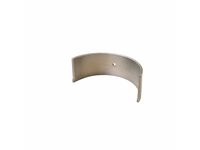
Choose OEM Rod Bearing for superior quality and long-lasting durability. They match the Volkswagen's factory specifications exactly and pass strict quality control. If you plan to replace Rod Bearing on your Passat, put OEM at the top of your list. You'll get the right fit, reliable performance, and peace of mind. We stock an extensive inventory of genuine Volkswagen Passat parts. It is easy to find what you need. You will love our competitive prices that help you save. No more hassle with returns or guesswork. Every part includes a warranty straight from the manufacturer. Get trusted quality, strong durability, and real value today.
Volkswagen Passat Rod Bearing Parts and Q&A
- Q:What are the essential steps and considerations during an engine overhaul regarding the replacement and inspection of main and connecting rod bearings on Volkswagen Passat?A:This is critical during an engine overhaul, whereby replacement of main and connecting rod bearings needs to be done but the old bearings would be used in investigating the engine as they may give information of the engine condition. Failure may be caused by several problems and they include lack of lubrication, dirt contamination, engine overloading and corrosion among others that should be resolved before reassembling to prevent them in the future. In changing the bearings, they must be taken out of their places and put on an inviting surface to enable comparison of any issues with the crankshaft journal. The engine can receive the contaminants either in a form of assembly remnants, filters or PCV system, and can contain metal chips and abrasives that have been machined or reconditioned. These foreign objects can attach themselves in the bearing material, whereas larger debris can result in scoring or gouging. In order to avoid such failures, it is important to clean all the components and change the oil and filter frequently. Excessive heat, overloading, or leakage of oil might cause lubrication problems, which cause serious harm whereby the bearing material can be wiped out, and overheating can occur. Also driving techniques play a part in bearing longevity; the low speed on high gear operation may result in excessive loads, and corrosion may occur because of inadequate heat because of limited trips. Finally, wrong installation of bearings may also lead to failure because when the bearings are tight, the oil supply will be starved and trapped debris may form high spots that will undermine the integrity of the bearing.
Related Volkswagen Passat Parts
 Volkswagen Passat Oil Filter
 Volkswagen Passat Engine Cover
 Volkswagen Passat Camshaft
 Volkswagen Passat Crankshaft
 Volkswagen Passat Crankshaft Seal
 Volkswagen Passat Crankshaft Timing Gear
 Volkswagen Passat Idler Pulley
 Volkswagen Passat Oil Filter Housing
 Volkswagen Passat Valve Cover
 Volkswagen Passat Valve Spring
 Volkswagen Passat Valve Spring Retainer Keeper
 Volkswagen Passat Valve Stem Seal
Browse by Year
2022 Rod Bearing 2021 Rod Bearing 2020 Rod Bearing 2019 Rod Bearing 2018 Rod Bearing
2017 Rod Bearing
2016 Rod Bearing
2015 Rod Bearing
2014 Rod Bearing
2013 Rod Bearing
2012 Rod Bearing
2010 Rod Bearing 2009 Rod Bearing 2008 Rod Bearing
2007 Rod Bearing
2006 Rod Bearing
2005 Rod Bearing
2004 Rod Bearing
2003 Rod Bearing
2002 Rod Bearing
2001 Rod Bearing
2000 Rod Bearing
1999 Rod Bearing
1998 Rod Bearing
1997 Rod Bearing 1996 Rod Bearing
1995 Rod Bearing 1994 Rod Bearing 1993 Rod Bearing
1992 Rod Bearing
1991 Rod Bearing
1990 Rod Bearing