×
- Hello
- Login or Register
- Quick Links
- Live Chat
- Track Order
- Parts Availability
- RMA
- Help Center
- Contact Us
- Shop for
- Volkswagen Parts

My Garage
My Account
Cart
Genuine Volkswagen Rabbit Brake Caliper
Caliper- Select Vehicle by Model
- Select Vehicle by VIN
Select Vehicle by Model
orMake
Model
Year
Select Vehicle by VIN
For the most accurate results, select vehicle by your VIN (Vehicle Identification Number).
14 Brake Calipers found
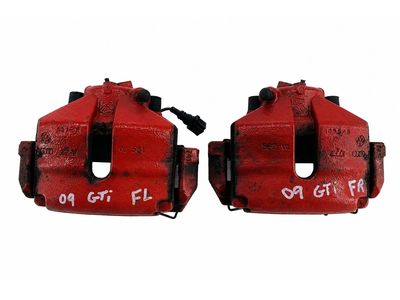
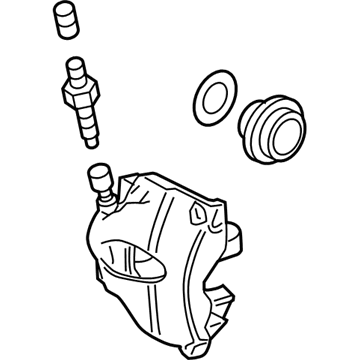
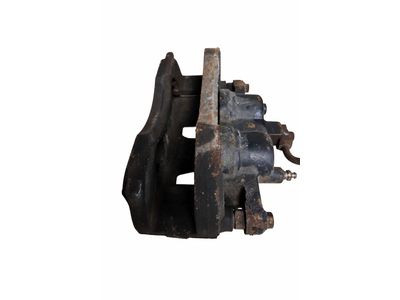
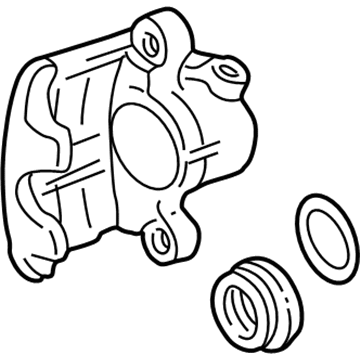
Volkswagen Rabbit Caliper Part Number: 1K0-615-123-M
$301.02 MSRP: $411.24You Save: $110.22 (27%)Ships in 1-2 Business Days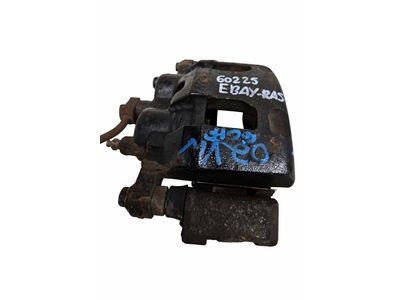
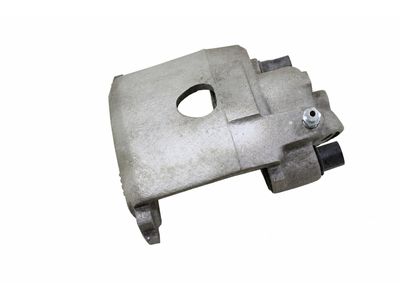
Volkswagen Rabbit Caliper Part Number: 357-615-123-AX
$114.77 MSRP: $160.00You Save: $45.23 (29%)Ships in 1-2 Business Days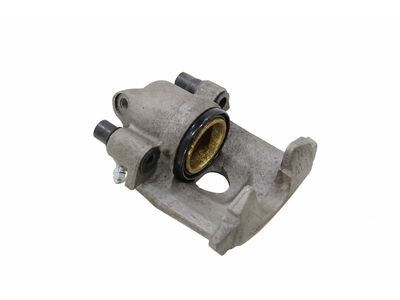
Volkswagen Rabbit Caliper Part Number: 1H0-615-123-C
$186.32 MSRP: $260.95You Save: $74.63 (29%)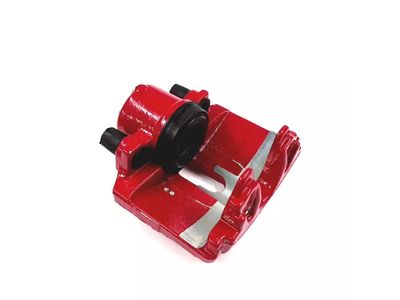
Volkswagen Rabbit Caliper Part Number: 1K0-615-124-M
$301.02 MSRP: $411.24You Save: $110.22 (27%)Ships in 1-2 Business Days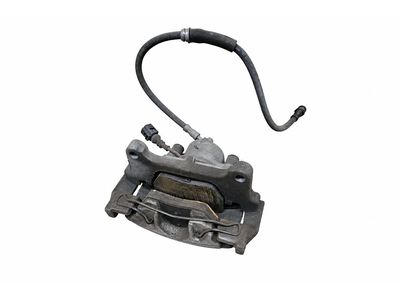
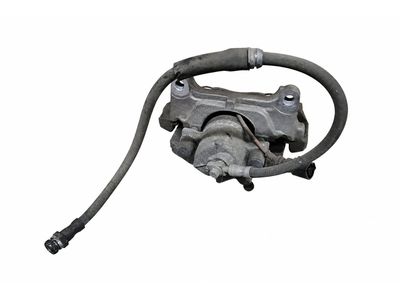
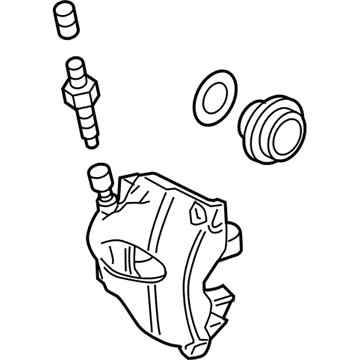
Volkswagen Rabbit Caliper Part Number: 1K0-615-123-E
$301.02 MSRP: $411.24You Save: $110.22 (27%)Ships in 1-2 Business Days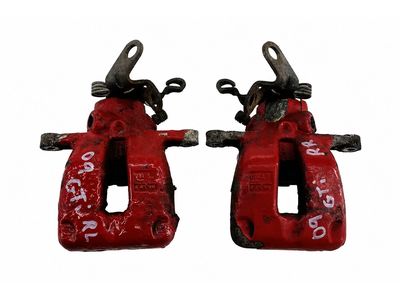
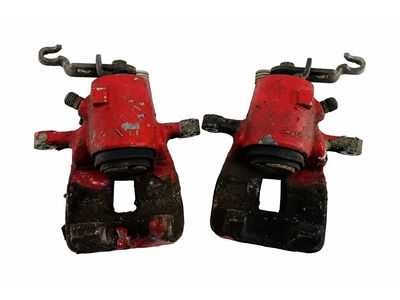
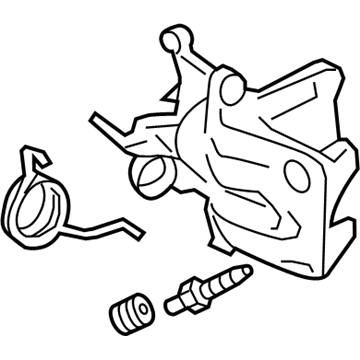
Volkswagen Rabbit Caliper Part Number: 1K0-615-424-P
$381.09 MSRP: $520.61You Save: $139.52 (27%)Ships in 1-2 Business Days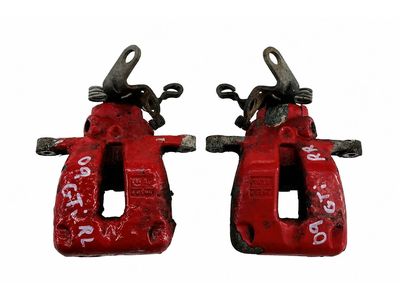
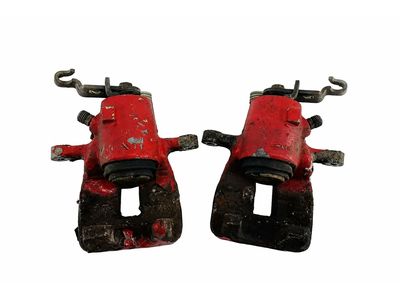
Volkswagen Rabbit Caliper Part Number: 1K0-615-423-P
$448.34 MSRP: $612.49You Save: $164.15 (27%)Ships in 1-2 Business Days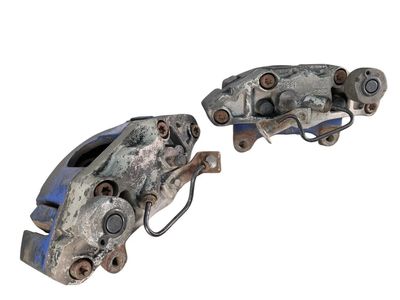
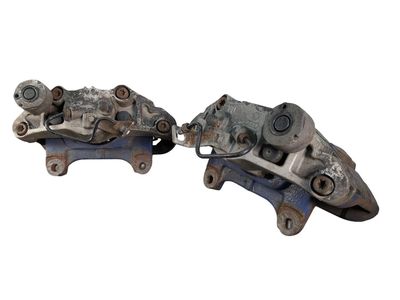
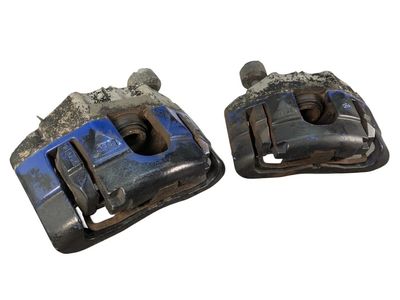
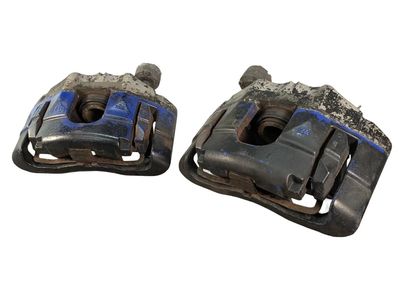
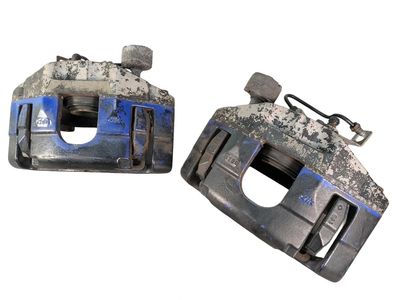
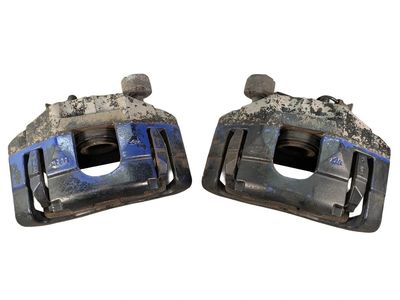
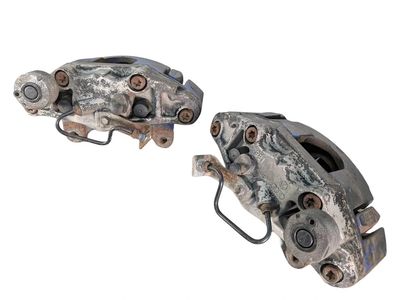
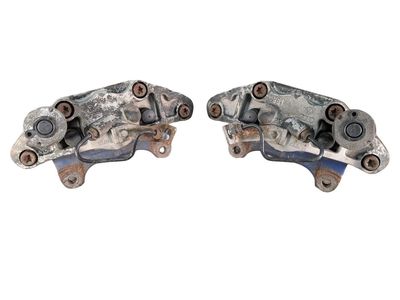
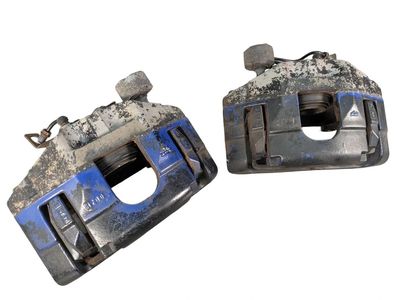
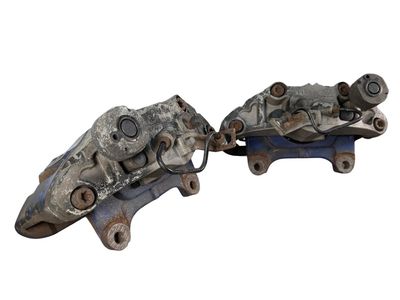
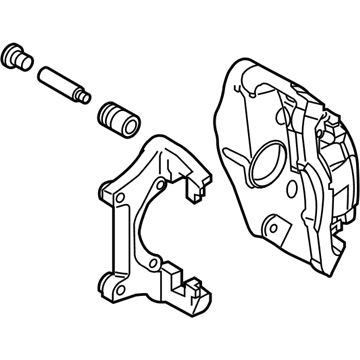
Volkswagen Rabbit Caliper Part Number: 1K0-615-124-J
$451.39 MSRP: $616.65You Save: $165.26 (27%)Ships in 1-2 Business Days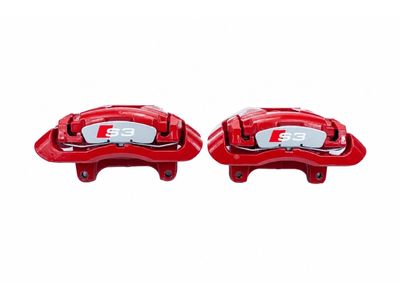
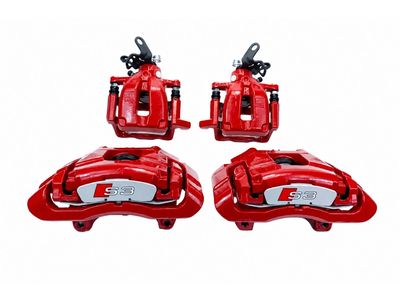
Volkswagen Rabbit Caliper Part Number: 1K0-615-123-J
$451.39 MSRP: $616.65You Save: $165.26 (27%)Ships in 1-2 Business DaysVolkswagen Rabbit Caliper Part Number: 1H0-615-124-C
$177.04 MSRP: $247.95You Save: $70.91 (29%)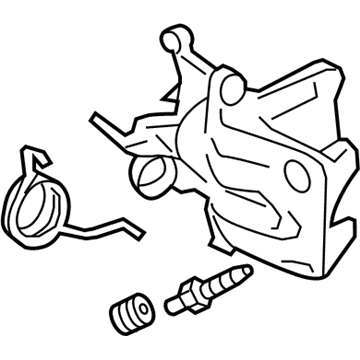
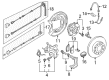
Volkswagen Rabbit Caliper Part Number: 1K0-615-423-G
$212.88 MSRP: $298.16You Save: $85.28 (29%)Ships in 1-2 Business DaysVolkswagen Rabbit Caliper Part Number: 1K0-615-424-G
$277.54 MSRP: $379.16You Save: $101.62 (27%)Ships in 1-2 Business Days
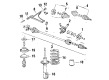
Volkswagen Rabbit Caliper Part Number: 331-615-108-C
$189.21 MSRP: $265.00You Save: $75.79 (29%)Volkswagen Rabbit Caliper Part Number: 331-615-107-C
$205.35 MSRP: $287.60You Save: $82.25 (29%)
Volkswagen Rabbit Brake Caliper
Choose OEM Brake Caliper for superior quality and long-lasting durability. They match the Volkswagen's factory specifications exactly and pass strict quality control. If you plan to replace Brake Caliper on your Rabbit, put OEM at the top of your list. You'll get the right fit, reliable performance, and peace of mind. We stock an extensive inventory of genuine Volkswagen Rabbit parts. It is easy to find what you need. You will love our competitive prices that help you save. No more hassle with returns or guesswork. Every part includes a warranty straight from the manufacturer. Get trusted quality, strong durability, and real value today.
Volkswagen Rabbit Brake Caliper Parts and Q&A
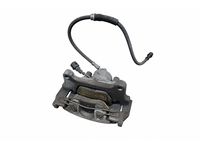
- Q:Why should you always replace brake calipers in pairs, and How to remove and install them on Volkswagen Rabbit?A:Replacement of the calipers should be done in pairs, not singly. The first step in eliminating the front or rear wheel bolts involves first loosening the bolt, then lifting the vehicle up in the air and place it securely on jackstands and block the opposite end with a wheel. Take off either the front or rear wheel. To remove the cable that is driving a rear caliper, remove the cable off the parking brake lever, and slide the cable ball end off the lever and use an open-end wrench to compress the parking brake cable retaining tabs and pull the cable out of the bracket. In the case of a front caliper, take off the banjo fitting bolt and disconnect the brake hose with the caliper, capping the line and hole, and removing the caps and caliper guide pins. Take out the sealing washers of both hose-fitting sides and stuff the brake hose to avoid fluid loss and contaminant infiltration. In the case of a rear caliper, unscrew the brake line fitting out of the caliper with a flare-nut wrench, snap out the brake hose securing clip, and work the line out of the bracket, plugging the fitting to avoid loss of fluid and entry of contaminants. When there is a need of removing the caliper to access other parts, do not unplug the hose; rather either suspend the caliper using a piece of wire so as to not to destroy the brake hose. Take out caliper guide pins or bolts to remove the caliper. Installation This is the opposite of removing; with a front caliper, fit new sealing washers on either side of the brake hose inlet connection, screw in the fitting bolt, and mounting fasteners to the required torque. The brake system should be bled, and there should be no leakage of the hose connections, and then the brake pedal should be pumped a few times and then the vehicle should be driven with the brakes being carefully checked before it can be checked back to normalcy.
Related Volkswagen Rabbit Parts
 Volkswagen Rabbit ABS Pump And Motor Assembly
 Volkswagen Rabbit ABS Sensor
 Volkswagen Rabbit Brake Booster Vacuum Hose
 Volkswagen Rabbit Brake Caliper Bracket
 Volkswagen Rabbit Brake Caliper Repair Kit
 Volkswagen Rabbit Brake Controller
 Volkswagen Rabbit Brake Dust Shields
 Volkswagen Rabbit Brake Line
 Volkswagen Rabbit Brake Pads
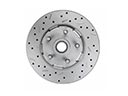 Volkswagen Rabbit Brake Rotor
 Volkswagen Rabbit Brake Tubing Clips
 Volkswagen Rabbit Transmission Sensor