×
- Hello
- Login or Register
- Quick Links
- Live Chat
- Track Order
- Parts Availability
- RMA
- Help Center
- Contact Us
- Shop for
- Volkswagen Parts

My Garage
My Account
Cart
Genuine Volkswagen Rabbit Fuel Pressure Sensor
Fuel Tank Pressure Sensor- Select Vehicle by Model
- Select Vehicle by VIN
Select Vehicle by Model
orMake
Model
Year
Select Vehicle by VIN
For the most accurate results, select vehicle by your VIN (Vehicle Identification Number).
1 Fuel Pressure Sensor found
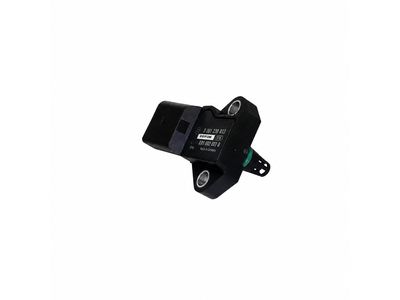
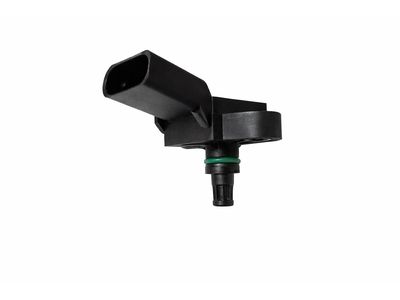

Volkswagen Rabbit Camshaft Position Sensor Part Number: 03G-906-051-D
$142.79 MSRP: $199.99You Save: $57.20 (29%)Ships in 1-2 Business Days
Volkswagen Rabbit Fuel Pressure Sensor
Choose OEM Fuel Pressure Sensor for superior quality and long-lasting durability. They match the Volkswagen's factory specifications exactly and pass strict quality control. If you plan to replace Fuel Pressure Sensor on your Rabbit, put OEM at the top of your list. You'll get the right fit, reliable performance, and peace of mind. We stock an extensive inventory of genuine Volkswagen Rabbit parts. It is easy to find what you need. You will love our competitive prices that help you save. No more hassle with returns or guesswork. Every part includes a warranty straight from the manufacturer. Get trusted quality, strong durability, and real value today.
Volkswagen Rabbit Fuel Pressure Sensor Parts and Q&A
- Q:What role does the Fuel Pressure Sensor play in preventing damage to the catalytic converter on Volkswagen Rabbit?A:There is a warning to exercise caution in models of engines with five cylinders where the fuel system needs to be bled once it has been opened to avoid catalytic converter damages. The next step presupposes that the Fuel Pump is getting the voltage and functioning. The first step is to lift the vehicle and place it on jackstands, unless otherwise. Get the fuel system pressure off and detach the outlet side of the fuel filter. Connect the fuel pressure gauge by using an adapter between the fuel line and the fuel filter, or at the fuel line connector in the engine compartment (equipped with the fuel pressure gauge). In case the Fuel Rail has a Schrader valve, then the pressure gauge can also be attached there. Turn on the engine and idle, and then check the gauge reading when pressure is stabilized and compare it to specifications. With the fuel pressure out of spec, investigate the cause of a low fuel pressure by checking the fuel system restrictions in case the pressure is reduced, e.g. kinked lines or blocked filters, and check and replace the Fuel Pressure Regulator as needed. In case the pressure exceeds the required pressure, change the fuel pressure regulator. Upon switching off the engine, make sure that the fuel pressure does not go below 8 psi within five minutes or it may indicate that the injector is leaky, there is a leak in the fuel line or the fuel pump module is faulty. Lastly, discharge the pressure of the fuel system once again and connect the fuel line back to the fuel filter.
Related Volkswagen Rabbit Parts
 Volkswagen Rabbit Belt Tensioner Bolt
 Volkswagen Rabbit Coolant Reservoir Hose
 Volkswagen Rabbit Cooling Fan Bracket
 Volkswagen Rabbit Cooling Fan Temperature Switch
 Volkswagen Rabbit Cooling Hose
 Volkswagen Rabbit Drive Belt
 Volkswagen Rabbit Fan Shroud
 Volkswagen Rabbit Intercooler
 Volkswagen Rabbit Intercooler Hose
 Volkswagen Rabbit Thermostat Housing
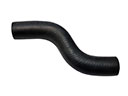 Volkswagen Rabbit Water Hose
 Volkswagen Rabbit Water Pump