×
- Hello
- Login or Register
- Quick Links
- Live Chat
- Track Order
- Parts Availability
- RMA
- Help Center
- Contact Us
- Shop for
- Volkswagen Parts

My Garage
My Account
Cart
Genuine Volkswagen Valve Spring Retainer
- Select Vehicle by Model
- Select Vehicle by VIN
Select Vehicle by Model
orMake
Model
Year
Select Vehicle by VIN
For the most accurate results, select vehicle by your VIN (Vehicle Identification Number).
12 Valve Spring Retainers found
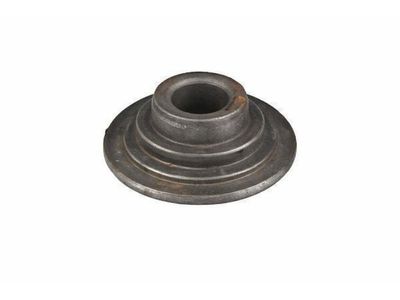
Volkswagen Valve Spring Retainers Part Number: 025-109-641
$10.87 MSRP: $17.82You Save: $6.95 (39%)Product Specifications- Other Name: Plate; Valve Spring Retainer
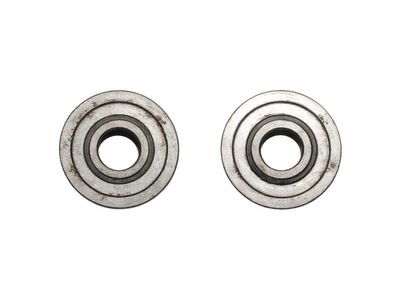
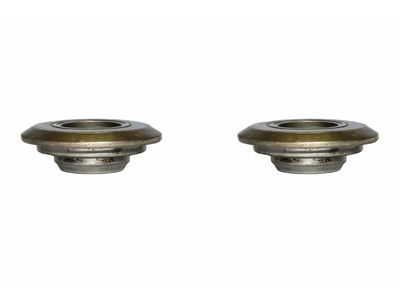
Volkswagen Valve Spring Retainers Part Number: 021-109-641-C
$13.74 MSRP: $22.52You Save: $8.78 (39%)Ships in 1-2 Business DaysProduct Specifications- Other Name: Plate

Volkswagen Valve Spring Retainers Part Number: 06K-109-641
$0.13 MSRP: $0.22You Save: $0.09 (41%)Ships in 1-2 Business DaysProduct Specifications- Other Name: Plate; Valve Spring Retainer, Valve Spring Seat
Volkswagen Valve Spring Seats Part Number: 04E-109-641-C
$0.35 MSRP: $0.59You Save: $0.24 (41%)Ships in 1-2 Business DaysProduct Specifications- Other Name: Plate; Valve Spring Seat
Volkswagen Valve Spring Retainers Part Number: 027-109-641
$7.22 MSRP: $11.84You Save: $4.62 (40%)Product Specifications- Other Name: Plate; Valve Spring Retainer
Volkswagen Valve Spring Retainers Part Number: 077-109-641-H
$12.31 MSRP: $20.18You Save: $7.87 (39%)Ships in 1-2 Business DaysProduct Specifications- Other Name: Plate; Valve Spring Retainer
Volkswagen Valve Keeper Part Number: 04E-109-641-A
$13.04 MSRP: $21.38You Save: $8.34 (40%)Ships in 1-2 Business DaysProduct Specifications- Other Name: Plate; Valve Spring Retainer, Valve Spring Seat
Volkswagen Valve Spring Retainers Part Number: 058-109-641-D
$9.33 MSRP: $15.30You Save: $5.97 (40%)Ships in 1-2 Business DaysProduct Specifications- Other Name: Plate; Valve Spring Retainer
- Replaces: 058-109-641
Volkswagen Valve Spring Retainers Part Number: 056-109-641-A
$15.96 MSRP: $26.16You Save: $10.20 (39%)Product Specifications- Other Name: Plate; Valve Spring Retainer
Volkswagen Valve Spring Retainers Part Number: 049-109-641-A
$19.75 MSRP: $32.37You Save: $12.62 (39%)Ships in 1-2 Business DaysProduct Specifications- Other Name: Plate; Valve Spring Retainer
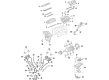
Volkswagen Valve Spring Retainers Part Number: 7B0-109-641-B
$2.68 MSRP: $3.67You Save: $0.99 (27%)Ships in 1-2 Business DaysProduct Specifications- Other Name: Retainer; Valve Spring Retainer
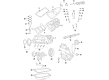
Volkswagen Valve Spring Retainers Part Number: 7B0-109-641-A
$6.04 MSRP: $8.25You Save: $2.21 (27%)Ships in 1-2 Business DaysProduct Specifications- Other Name: Retainer; Valve Spring Retainer
Volkswagen Valve Spring Retainer
The Volkswagen Valve Spring Retainer keeps every valve spring firmly capped to lock the spring to its valve, sealing combustion chambers and making engines a clean power source. VW made its name by making the original Beetle and the cheery Type 2 iconic around the world, then later supported that with modern TSI turbo engines, direct fuel injection, and the versatile MQB platform, which allows many models to share parts and reduce weight and cost. From the digital cockpit that makes information easy to read to park assist that shrinks tight maneuvers, every VW puts smart tech at the driver's fingertips. The brand is also looking toward an electric future with the ID.3 and ID.4, testament to the fact that the brand always has history in mind as it innovates, but that efficiency, reliability, and straightforward design remain central to every car that goes on the road. A Valve Spring Retainer is required to cope with heat, RPM, and vibration over this wide lineup, so its manufactures the part from robust yet light alloys that help keep inertia low and allow cams to freely spin. Positioned like a miniature cap, the Valve Spring Retainer grips its keepers, holds spring tension, and prevents valve float, costing horsepower or inviting costly damage. By having this sturdy part throughout the family of engines, VW ensures precise timing, smooth idle, and lasting confidence for drivers everywhere.
Buying OEM parts is a smart move to keep your long-term repair costs low. These components are built to last because VW uses such strict factory standards. At VWPartsGiant.com, it is easy to find genuine Volkswagen Valve Spring Retainer at prices that actually beat the competition. You get a real manufacturer's warranty with every single part, so you know your purchase is safe. Plus, forget about return headaches since our policy is easy and worry-free. We ship your order fast, too. If you have questions, our team of parts experts is ready to help. Why wait? Start shopping now!
Volkswagen Valve Spring Retainer Parts and Q&A
- Q:How can broken Valve Spring, Valve Spring Retainer and Valve Stem Oil Seal be replaced without removing the cylinder heads for Four-cylinder engines on Volkswagen Passat?A:Broken valve springs and faulty valve stem seals are not hard to replace as they do not involve taking off the cylinder heads, only two special tools and a source of compressed air are necessary. Start by emptying the valve cover and camshaft and lifters, then extract the spark plug of the affected cylinder, or all of them in the event of replacing all valve stem seals. Pump the lever until the piston reaches the top dead center on the compression stroke, stroke by stroke according to the firing order. Insert air hose connector in spark plug hole and use air to find a method of clenching the valves. Use stuff rags to cover the valve holes to keep parts out of the valve holes and then lightly tap the valve spring retainers with the keepers. Compress the spring with a valve spring compressor and take out the keepers with pliers of a magnet, being careful of the right type of tool to use (Import or Import type). Wipe the valve face and the seat and pull out the valve spring and retainer carefully so as not to destroy the part of the face or seat. Loosen up the old valve stem seals with needle-nose pliers, place a rubber band or some tape on the valve stem to stop it from falling and then inspect the valve stem and see whether it is damaged. Reinforce air pressure to hold the valve in place, lubricate the stem with engine oil and replace a new seal. Install the valve spring and retainer, compress the spring, and it is important to install the keepers in the groove with grease to hold them in place. Finger the spring tool, dis- attach the air hose and re-attach the camshaft, lifters, timing belt and valve cover. Lastly, it is time to install spark plugs(s) and ignition coils(s), start the engine, and look at possible oil leaks and strange sound.
Related Volkswagen Parts
 Volkswagen Oil Filter
 Volkswagen Oil Pan Gasket
 Volkswagen Timing Chain Tensioner
 Volkswagen Valve Cover
 Volkswagen Engine Mount
 Volkswagen Balance Shaft Bearing
 Volkswagen Camshaft Bearing
 Volkswagen Crankshaft Gear
 Volkswagen Crankshaft Pulley
 Volkswagen Exhaust Valve
 Volkswagen Transmission Drain Plug
 Volkswagen Variable Timing Sprocket
Browse by Model
Atlas Cross Sport Valve Spring Retainer Atlas Valve Spring Retainer Beetle Valve Spring Retainer Cabriolet Valve Spring Retainer Corrado Valve Spring Retainer EuroVan Valve Spring Retainer Fox Valve Spring Retainer Golf Alltrack Valve Spring Retainer Golf SportWagen Valve Spring Retainer Golf Valve Spring Retainer GTI Valve Spring Retainer Jetta Valve Spring Retainer Passat Valve Spring Retainer Phaeton Valve Spring Retainer Quantum Valve Spring Retainer Rabbit Convertible Valve Spring Retainer Rabbit Valve Spring Retainer Routan Valve Spring Retainer Scirocco Valve Spring Retainer Tiguan Valve Spring Retainer Touareg Valve Spring Retainer Vanagon Valve Spring Retainer