×
- Hello
- Login or Register
- Quick Links
- Live Chat
- Track Order
- Parts Availability
- RMA
- Help Center
- Contact Us
- Shop for
- Volkswagen Parts

My Garage
My Account
Cart
Genuine Volkswagen Jetta Batteries
Car Battery- Select Vehicle by Model
- Select Vehicle by VIN
Select Vehicle by Model
orMake
Model
Year
Select Vehicle by VIN
For the most accurate results, select vehicle by your VIN (Vehicle Identification Number).
2 Batteries found
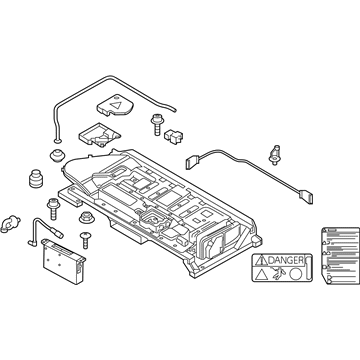
Volkswagen Jetta Battery Part Number: 5C6-915-590-E
$9641.28 MSRP: $9878.36You Save: $237.08 (3%)Volkswagen Jetta Battery Part Number: 5C6-915-590-D
$11749.37 MSRP: $12038.28You Save: $288.91 (3%)
Volkswagen Jetta Batteries
Choose OEM Batteries for superior quality and long-lasting durability. They match the Volkswagen's factory specifications exactly and pass strict quality control. If you plan to replace Batteries on your Jetta, put OEM at the top of your list. You'll get the right fit, reliable performance, and peace of mind. We stock an extensive inventory of genuine Volkswagen Jetta parts. It is easy to find what you need. You will love our competitive prices that help you save. No more hassle with returns or guesswork. Every part includes a warranty straight from the manufacturer. Get trusted quality, strong durability, and real value today.
Volkswagen Jetta Batteries Parts and Q&A
- Q: What precautions should be taken regarding batteries when disconnecting and maintaining their functionality on Volkswagen Jetta?A:Disconnection of the battery should be done only with great care since it might require re-learning on how to use the system properly and also should the audio system contain an anti-theft mechanism, the right activation code must be known beforehand. The battery has a regular preventative maintenance program that will guarantee consistent starts and safety of handling requires the right equipment. Safety measures involve switching off the engine and other accessories and disconnection of the negative terminal first. The battery produces flammable hydrogen gas, and thus, do not use sparks, smoke, or fires, and never charge where there is not good ventilation. Electrolyte is poisonous and corrosive; protective equipment is needed, and children should be avoided. Check the battery, look at any damage and corrosion and lose connections and in case of corrosion, take out the battery and clean it, beginning with the ground cable. Wipe down clean and clamp with a baking soda solution and do not allow any solution to get into the battery and also wear protective clothes when doing so. Make sure that battery tray is in place and hold-down clamps are in place but not strained. More resources can be used in jump-starting and detailed battery examinations. It is possible to clean corrosion using a solution of baking soda, and use a zinc-based primer on any damaged metal. During the charging process, watch out of the hydrogen gas production and no flames, with the use of eye protection. Discharged batteries should be charged at slow rate, especially during wintertime, when discharging a battery, a one or two-amp charger is the best to use, whereas higher amperage chargers must be used with care. The instructions on the charger will normally give the charging times that the charger will require and trickle chargers will require a 12-16 hours to fully charge a battery.
Related Volkswagen Jetta Parts
 Volkswagen Jetta Alternator
 Volkswagen Jetta Fuse Box
 Volkswagen Jetta Water Pump
 Volkswagen Jetta Instrument Cluster
 Volkswagen Jetta A/C Accumulator
 Volkswagen Jetta Battery Trays
 Volkswagen Jetta Body Mount Hole Plug
 Volkswagen Jetta Brake Shoe Set
 Volkswagen Jetta Ground Cables
 Volkswagen Jetta Mirror Switch
 Volkswagen Jetta Rack and Pinion Boot
 Volkswagen Jetta Rack and Pinions