×
- Hello
- Login or Register
- Quick Links
- Live Chat
- Track Order
- Parts Availability
- RMA
- Help Center
- Contact Us
- Shop for
- Volkswagen Parts

My Garage
My Account
Cart
Genuine Volkswagen Passat Brake Master Cylinder
- Select Vehicle by Model
- Select Vehicle by VIN
Select Vehicle by Model
orMake
Model
Year
Select Vehicle by VIN
For the most accurate results, select vehicle by your VIN (Vehicle Identification Number).
12 Brake Master Cylinders found
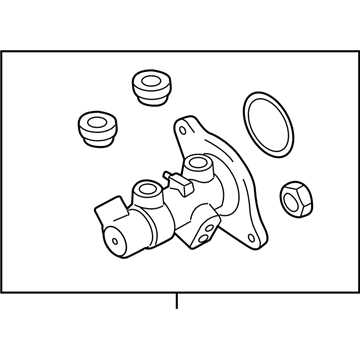
Volkswagen Passat Master Cylinder Part Number: 1K1-614-019-AH
$204.91 MSRP: $286.99You Save: $82.08 (29%)Ships in 1-2 Business Days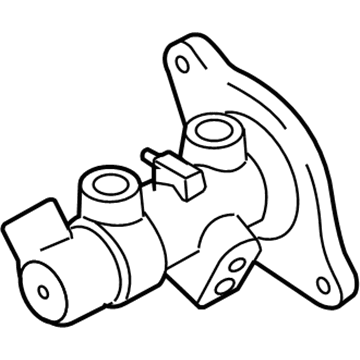
Volkswagen Passat Master Cylinder Part Number: 3C1-614-019-J-REP
$222.40 MSRP: $311.48You Save: $89.08 (29%)Ships in 1-2 Business Days
Volkswagen Passat Master Cylinder Part Number: 3C1-614-019-D-REP
$222.40 MSRP: $311.48You Save: $89.08 (29%)Ships in 1-2 Business Days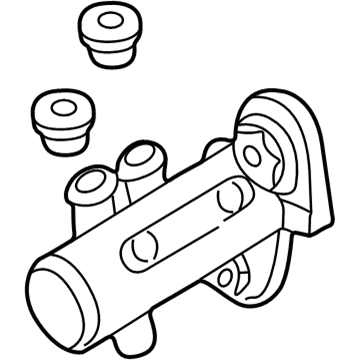
Volkswagen Passat Master Cylinder Part Number: 8D0-611-021-B
$248.88 MSRP: $340.00You Save: $91.12 (27%)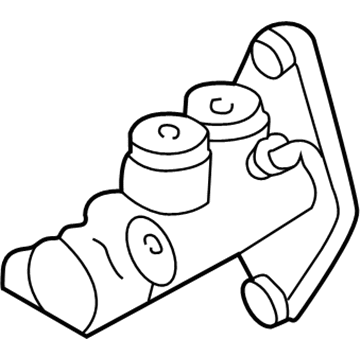
Volkswagen Passat Master Cylinder Part Number: 357-611-019-B
$250.34 MSRP: $342.00You Save: $91.66 (27%)Ships in 1-2 Business Days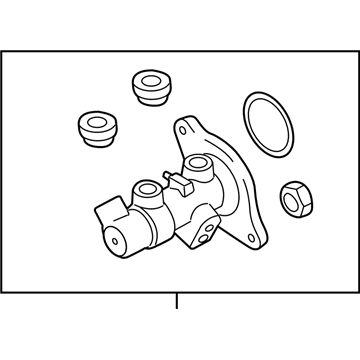
Volkswagen Passat Master Cylinder Part Number: 1K1-614-019-AG
$236.80 MSRP: $331.65You Save: $94.85 (29%)Ships in 1-2 Business Days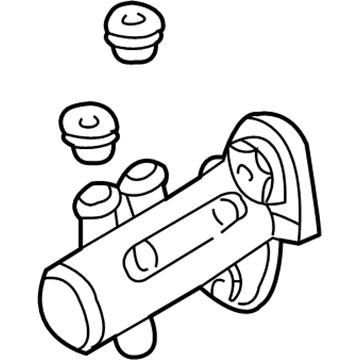
Volkswagen Passat Master Cylinder Part Number: 8E0-611-021
$278.60 MSRP: $380.61You Save: $102.01 (27%)Ships in 1-2 Business Days
Volkswagen Passat Master Cylinder Part Number: 3A1-698-019
$284.02 MSRP: $388.00You Save: $103.98 (27%)Ships in 1-2 Business DaysVolkswagen Passat Master Cylinder Part Number: 1K1-614-019-L
$294.62 MSRP: $402.49You Save: $107.87 (27%)Ships in 1-2 Business DaysVolkswagen Passat Master Cylinder Part Number: 4D0-611-021-A
$314.76 MSRP: $430.00You Save: $115.24 (27%)Volkswagen Passat Master Cylinder Part Number: 4D0-611-021-B
$331.01 MSRP: $452.20You Save: $121.19 (27%)Ships in 1-2 Business Days
Volkswagen Passat Master Cylinder Part Number: 1H1-698-019-A
$365.41 MSRP: $499.20You Save: $133.79 (27%)
Volkswagen Passat Brake Master Cylinder
Choose OEM Brake Master Cylinder for superior quality and long-lasting durability. They match the Volkswagen's factory specifications exactly and pass strict quality control. If you plan to replace Brake Master Cylinder on your Passat, put OEM at the top of your list. You'll get the right fit, reliable performance, and peace of mind. We stock an extensive inventory of genuine Volkswagen Passat parts. It is easy to find what you need. You will love our competitive prices that help you save. No more hassle with returns or guesswork. Every part includes a warranty straight from the manufacturer. Get trusted quality, strong durability, and real value today.
Volkswagen Passat Brake Master Cylinder Parts and Q&A
- Q:What should you do if the Brake Master Cylinder is found to be faulty on Volkswagen Passat?A:In case it has been realized that the master cylinder is faulty, then it is necessary to change it with a new one, whereas the fluid reservoir seals, are the only parts that can be serviced. Start with emptying the reservoir with a syringe, suction gun or poultry baster, being careful to rinse off all the spilled brake fluid with cold, clean water so as to avoid leaving paint on the reservoir. Disconnect the electricity connector of the fluids level warning switch and lay rags underneath the fittings and set up caps or plastic bags to cover the disconnected ends of the lines. Detach the brake fluid line to the fluid reservoir and plug to avoid contamination in vehicle having a manual transaxle. Loose the fittings at the terminals of the brake lines as they enter the master cylinder with a flare-nut wrench so as not to round the flats off and then pull away the brake lines and insert the terminals. Unscrew the nuts that hold the master cylinder to the power booster and unscrew the master cylinder in the cowl region, not to spill the fluid. Take off the old O-ring on the end of the master cylinder and disregard. Bench bleed This should be done before the new master cylinder is installed with the recommended brake fluid by mounting it in a vise and connecting bleeder tubes to the outlet ports and forcing the pistons slowly to expel all the air. Continue the process till all of the air bubbles have come to pass and remove the bleed tubes and place plugs in the open ports. Install a new O-ring on the end of the master cylinder, insert it into the power Brake Booster and screw on the nuts that connect it on the power brake booster using fingers. Install the fittings of the brake line in the master cylinder, not stripped, and screw the mounting nuts and the fittings in place. Fluid fill master cylinder reservoir, bleed the lines at the master cylinder then bleed the rest of the brake system, and scrutinize the functioning of the brake system before driving to ensure it is functioning. In case there is a damage to the brake fluid reservoir, the reservoir can be replaced independently of the master cylinder body and in case of leakage between the reservoir and the master cylinder body, the grommets may be changed. Take the fluid out of the reservoir, put the rags under the master cylinder to wipe off the spills, and drag the reservoir out. In case of grommet replacement, you should pry the old grommets out and put new ones in, lubricating them with clean brake fluid prior to stickinging reservoir back in to position. Top up the reservoir with the prescribed brake fluid and ensure that there are no leaks and then bleed the master cylinder.
Related Volkswagen Passat Parts
 Volkswagen Passat Brake Caliper
 Volkswagen Passat Vacuum Pump
 Volkswagen Passat ABS Control Module
 Volkswagen Passat ABS Pump And Motor Assembly
 Volkswagen Passat Brake Booster
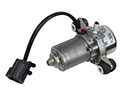 Volkswagen Passat Brake Booster Vacuum Pump
 Volkswagen Passat Brake Caliper Repair Kit
 Volkswagen Passat Brake Controller
 Volkswagen Passat Brake Fluid Level Sensor
 Volkswagen Passat Brake Master Cylinder Repair Kit
 Volkswagen Passat Brake Master Cylinder Reservoir
 Volkswagen Passat Hydraulic Hose
Browse by Year
2022 Brake Master Cylinder 2021 Brake Master Cylinder 2020 Brake Master Cylinder 2019 Brake Master Cylinder 2018 Brake Master Cylinder 2017 Brake Master Cylinder 2016 Brake Master Cylinder 2015 Brake Master Cylinder 2014 Brake Master Cylinder 2013 Brake Master Cylinder 2012 Brake Master Cylinder 2010 Brake Master Cylinder 2009 Brake Master Cylinder 2008 Brake Master Cylinder 2007 Brake Master Cylinder 2006 Brake Master Cylinder 2005 Brake Master Cylinder 2004 Brake Master Cylinder 2003 Brake Master Cylinder 2002 Brake Master Cylinder 2001 Brake Master Cylinder 2000 Brake Master Cylinder 1999 Brake Master Cylinder 1998 Brake Master Cylinder 1997 Brake Master Cylinder 1996 Brake Master Cylinder 1995 Brake Master Cylinder 1994 Brake Master Cylinder 1993 Brake Master Cylinder 1992 Brake Master Cylinder 1991 Brake Master Cylinder