×
- Hello
- Login or Register
- Quick Links
- Live Chat
- Track Order
- Parts Availability
- RMA
- Help Center
- Contact Us
- Shop for
- Volkswagen Parts

My Garage
My Account
Cart
Genuine Volkswagen Passat Flywheel
Clutch Flywheel- Select Vehicle by Model
- Select Vehicle by VIN
Select Vehicle by Model
orMake
Model
Year
Select Vehicle by VIN
For the most accurate results, select vehicle by your VIN (Vehicle Identification Number).
18 Flywheels found
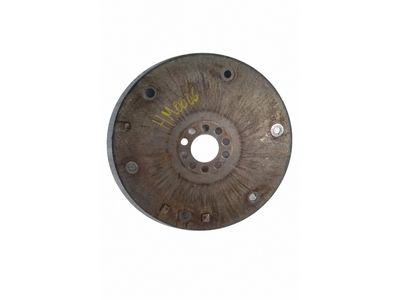
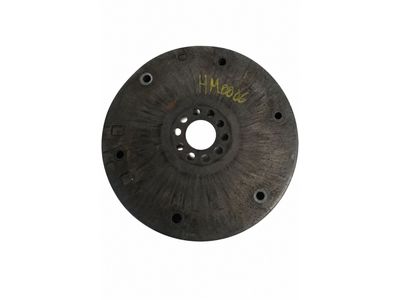
Volkswagen Passat Drive Plate Part Number: 021-105-327-C
$112.50 MSRP: $157.57You Save: $45.07 (29%)Ships in 1-2 Business Days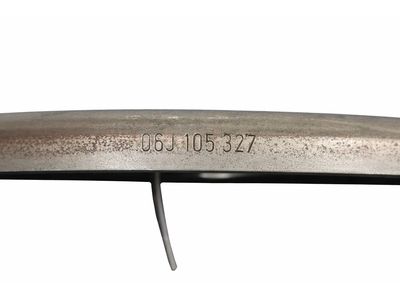
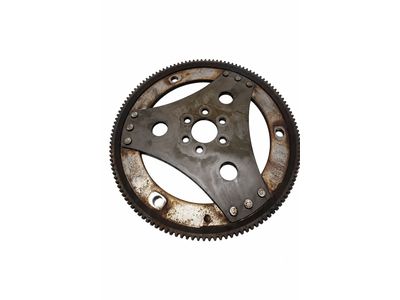
Volkswagen Passat Drive Plate Part Number: 06J-105-327
$148.74 MSRP: $208.32You Save: $59.58 (29%)Ships in 1-2 Business Days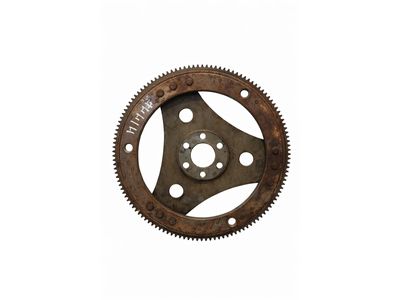
Volkswagen Passat Drive Plate Part Number: 058-105-323-G
$298.07 MSRP: $407.20You Save: $109.13 (27%)Ships in 1-2 Business Days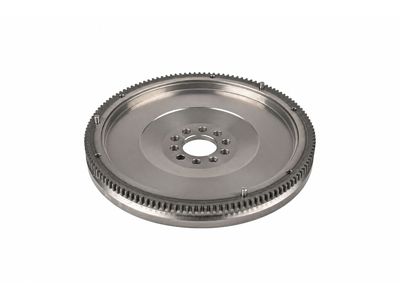
Volkswagen Passat Flywheel Part Number: 021-105-269-BX
$330.96 MSRP: $449.98You Save: $119.02 (27%)Ships in 1-2 Business Days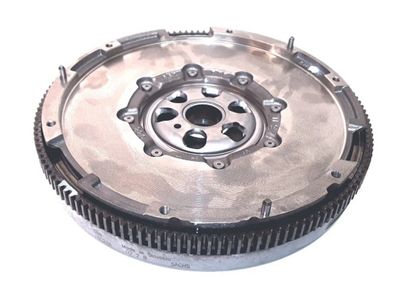
Volkswagen Passat Flywheel Part Number: 03L-105-266-CA
$1177.29 MSRP: $1484.60You Save: $307.31 (21%)Ships in 1-2 Business Days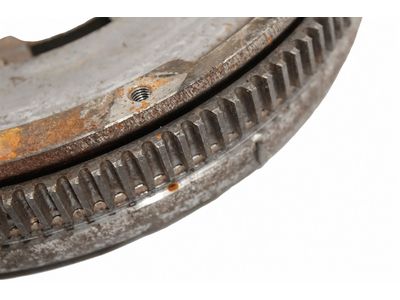
Volkswagen Passat Flywheel Part Number: 03L-105-266-DL
$1201.69 MSRP: $1515.37You Save: $313.68 (21%)Ships in 1-2 Business Days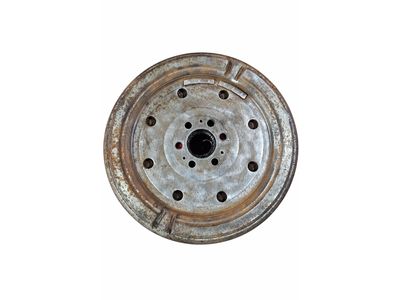
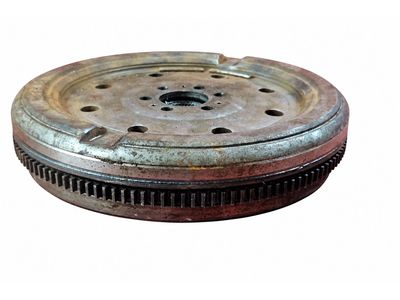
Volkswagen Passat Flywheel Part Number: 06F-105-266-K
$1384.69 MSRP: $1621.41You Save: $236.72 (15%)Ships in 1-2 Business Days
Volkswagen Passat Flywheel Part Number: 03L-105-266-EF
$1067.49 MSRP: $1346.14You Save: $278.65 (21%)Ships in 1-2 Business DaysVolkswagen Passat Drive Plate Part Number: 021-105-189-C
$120.19 MSRP: $168.33You Save: $48.14 (29%)Ships in 1-2 Business DaysVolkswagen Passat Drive Plate Part Number: 038-105-323
$250.10 MSRP: $341.67You Save: $91.57 (27%)Ships in 1-2 Business DaysVolkswagen Passat Drive Plate Part Number: 07D-105-323
$373.32 MSRP: $510.00You Save: $136.68 (27%)Ships in 1-2 Business DaysVolkswagen Passat Flywheel Part Number: 028-105-269-B
$484.94 MSRP: $662.48You Save: $177.54 (27%)Ships in 1-2 Business DaysVolkswagen Passat Flywheel Part Number: 07K-105-269
$500.19 MSRP: $683.32You Save: $183.13 (27%)Ships in 1-2 Business DaysVolkswagen Passat Flywheel Part Number: 06B-105-266-A
$896.69 MSRP: $1130.75You Save: $234.06 (21%)Ships in 1-2 Business DaysVolkswagen Passat Flywheel Part Number: 06J-105-266-AT
$911.94 MSRP: $1149.98You Save: $238.04 (21%)Ships in 1-2 Business DaysVolkswagen Passat Flywheel Part Number: 07D-105-266-C
$935.74 MSRP: $1180.00You Save: $244.26 (21%)Ships in 1-2 Business DaysVolkswagen Passat Flywheel Part Number: 078-105-266-M
$954.04 MSRP: $1203.08You Save: $249.04 (21%)Ships in 1-2 Business Days
Volkswagen Passat Flywheel Part Number: 022-105-266-AK
$1384.69 MSRP: $1621.41You Save: $236.72 (15%)Ships in 1-2 Business Days
Volkswagen Passat Flywheel
Choose OEM Flywheel for superior quality and long-lasting durability. They match the Volkswagen's factory specifications exactly and pass strict quality control. If you plan to replace Flywheel on your Passat, put OEM at the top of your list. You'll get the right fit, reliable performance, and peace of mind. We stock an extensive inventory of genuine Volkswagen Passat parts. It is easy to find what you need. You will love our competitive prices that help you save. No more hassle with returns or guesswork. Every part includes a warranty straight from the manufacturer. Get trusted quality, strong durability, and real value today.
Volkswagen Passat Flywheel Parts and Q&A
- Q:What precautions should be taken when replacing the flywheel/driveplate bolts and reinstalling the flywheel/driveplate on Volkswagen Passat?A:The maker suggests that when removing the flywheel/driveplate bolts, one should replace them with fresh ones. The first thing to do is to lift up the vehicle to place it squarely on jackstands, after which the transaxle is taken out. In the event of any leaks, it is recommended to change the front pump seal/O-ring of automatic transaxles or input shaft seal of manual transaxles now. In manual transaxle vehicles, the pressure plate and the clutch disc should be removed and a person should take the chance to check or replace the clutch components. Make alignment marks on the flywheel/driveplate and crankshaft with a center punch or paint to be sure that they align on the right spot when reinstating. Then loosen the bolts holding the flywheel/driveplate to the crankshaft, carefully so as not to damage the crankshaft thread; furthermore, the crankshaft turns, so you can wedge a screwdriver in the ring gear teeth to hold the flywheel. Be careful when removing the flywheel/driveplate off the crankshaft, supporting it throughout the last bolt removal process and ensuring that spacers on either side of the driveplate which are provided with an auto transaxle fitted car are retained with the driveplate. To install, clean the flywheel, grease, and oil off, checking the surface, cracks, rivet grooves, burnt, and score marks, and light scoring can be cleaned up with emery cloth. Inspect cracked and broken teeth of ring gears, the flywheel being placed on a flat surface to test it by a straightedge whether it warps. Wipe and examine the mating surfaces of the flywheel/driveplate and crankshaft and change the crankshaft rear seal in case it is leaking and reload the flywheel/driveplate. Install the flywheel/driveplate and spacer to fit against the crankshaft and align it with the marks left as a guide during removal and note that certain engines have an alignment dowel or staggered bolt holes to be installed correctly. Put thread locking compound on the threads of the bolts, then engage a screwdriver in the teeth of the ring gear, so as not to turn the gear, and screw the bolts in a criss-cross manner stepping up to the full torque of 3 or four steps. In vehicles that have automatic transaxles, measure the installed height at three different points around the driveplate and then take an average reading; in case it is wrong then the driveplate would have to be taken out and shimmed to a correct size. Other parts of the installation are the opposite of the uninstallation process.
Related Volkswagen Passat Parts
 Volkswagen Passat Automatic Transmission Filter
 Volkswagen Passat Clutch Disc
 Volkswagen Passat Clutch Fork
 Volkswagen Passat Clutch Hydraulic Lines
 Volkswagen Passat Clutch Master Cylinder
 Volkswagen Passat Clutch Release Bearing
 Volkswagen Passat Clutch Slave Cylinder
 Volkswagen Passat Clutch Slave Repair Kit
 Volkswagen Passat Pilot Bearing
 Volkswagen Passat Pressure Plate
 Volkswagen Passat Torque Converter
 Volkswagen Passat Transmission Assembly
Browse by Year
2022 Flywheel 2021 Flywheel 2020 Flywheel 2019 Flywheel 2018 Flywheel 2017 Flywheel 2016 Flywheel 2015 Flywheel 2014 Flywheel 2013 Flywheel 2012 Flywheel 2010 Flywheel 2009 Flywheel 2008 Flywheel 2007 Flywheel 2006 Flywheel 2005 Flywheel 2004 Flywheel 2003 Flywheel 2002 Flywheel 2001 Flywheel 2000 Flywheel 1999 Flywheel 1998 Flywheel 1997 Flywheel 1996 Flywheel 1995 Flywheel 1994 Flywheel 1993 Flywheel 1992 Flywheel 1991 Flywheel