×
- Hello
- Login or Register
- Quick Links
- Live Chat
- Track Order
- Parts Availability
- RMA
- Help Center
- Contact Us
- Shop for
- Volkswagen Parts

My Garage
My Account
Cart
Genuine Volkswagen Passat Thermostat
Engine Coolant Thermostat- Select Vehicle by Model
- Select Vehicle by VIN
Select Vehicle by Model
orMake
Model
Year
Select Vehicle by VIN
For the most accurate results, select vehicle by your VIN (Vehicle Identification Number).
16 Thermostats found
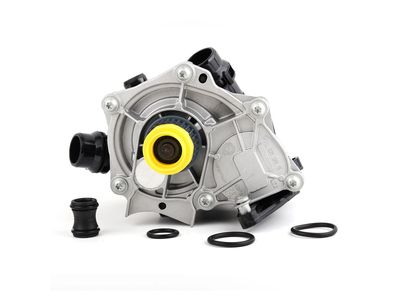
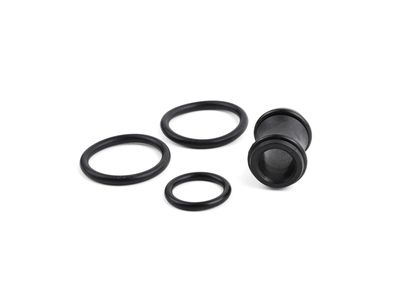
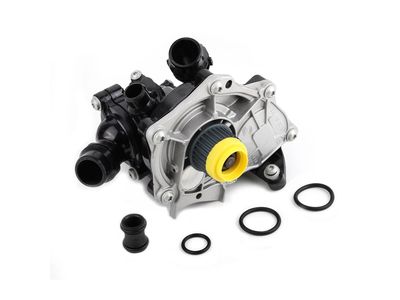
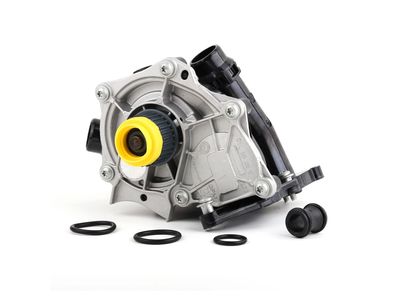
Volkswagen Passat Thermostat Part Number: 06K-121-111-P
$396.49 MSRP: $541.65You Save: $145.16 (27%)Ships in 1-2 Business Days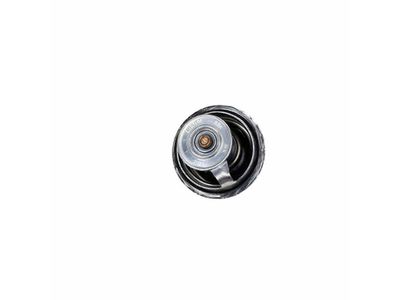
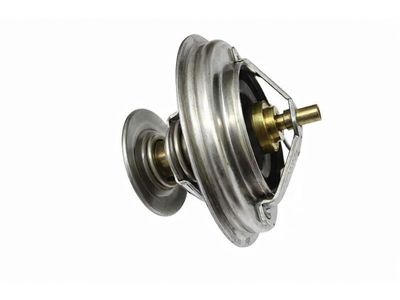
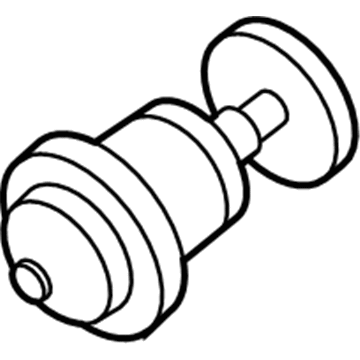
Volkswagen Passat Thermostat Part Number: 075-121-113-D
$42.80 MSRP: $59.45You Save: $16.65 (29%)Ships in 1-2 Business Days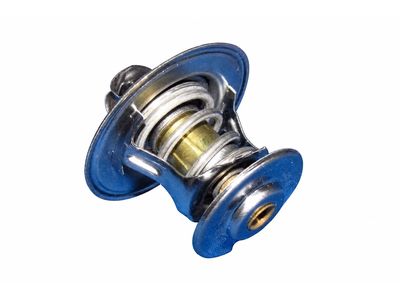
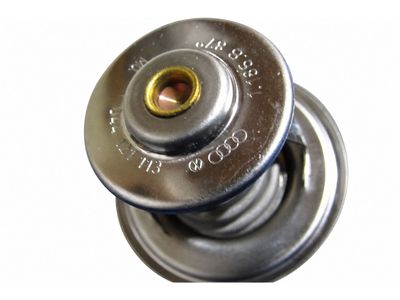

Volkswagen Passat Thermostat Part Number: 044-121-113
$52.43 MSRP: $72.82You Save: $20.39 (28%)Ships in 1-2 Business Days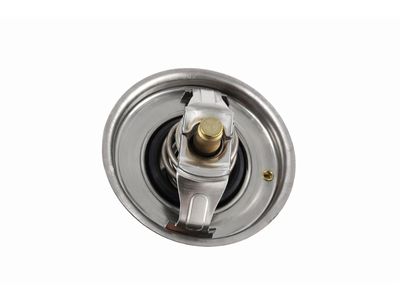
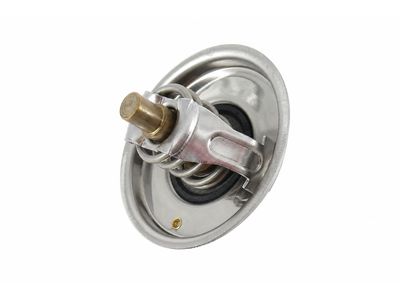
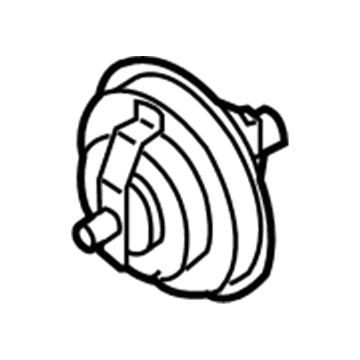
Volkswagen Passat Thermostat Part Number: 07K-121-113-B
$60.68 MSRP: $84.98You Save: $24.30 (29%)Ships in 1-2 Business Days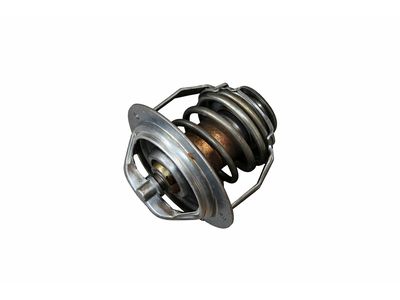
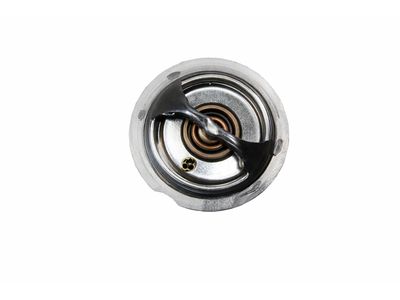
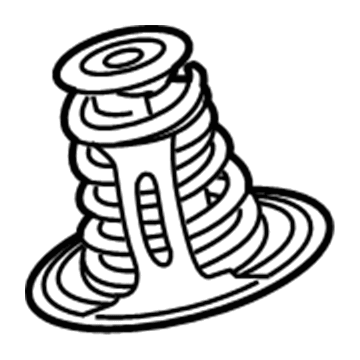
Volkswagen Passat Thermostat Part Number: 06K-121-113-G
$109.47 MSRP: $153.32You Save: $43.85 (29%)Ships in 1-2 Business Days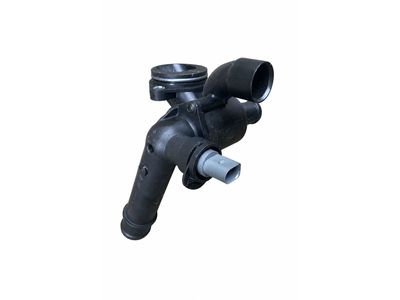
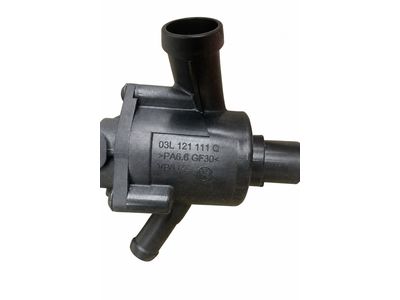
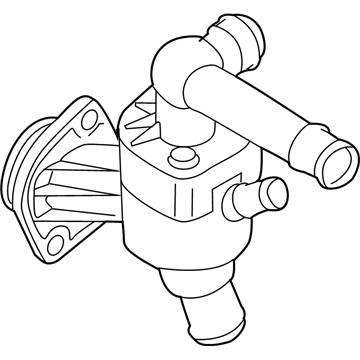
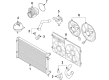
Volkswagen Passat Thermostat Housing Part Number: 03L-121-111-Q
$128.51 MSRP: $179.98You Save: $51.47 (29%)Ships in 1-2 Business Days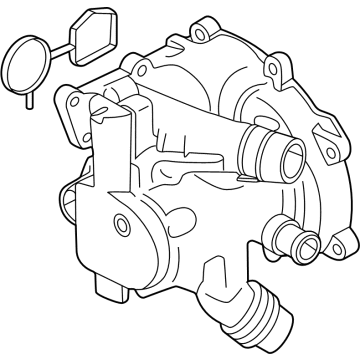
Volkswagen Passat Thermostat Part Number: 06L-121-111-P
$425.68 MSRP: $581.53You Save: $155.85 (27%)Ships in 1-2 Business Days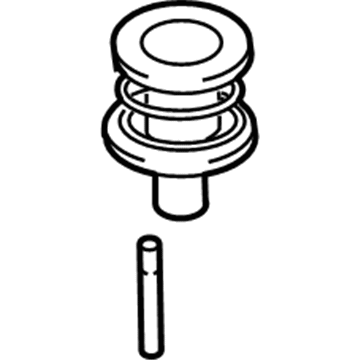
Volkswagen Passat Thermostat Part Number: 06H-121-113-B
$90.43 MSRP: $126.65You Save: $36.22 (29%)Ships in 1-2 Business Days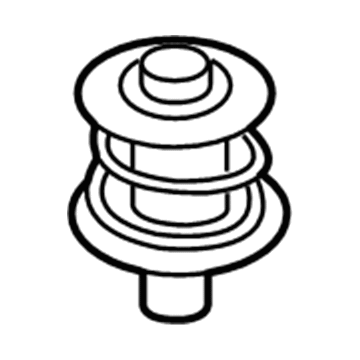
Volkswagen Passat Thermostat Part Number: 06J-121-113-A
$127.32 MSRP: $178.32You Save: $51.00 (29%)Ships in 1-2 Business Days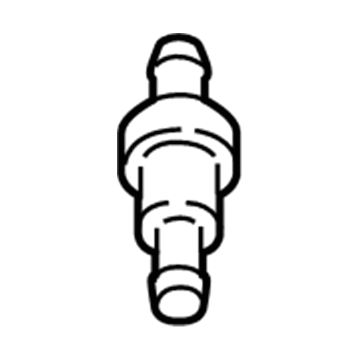
Volkswagen Passat Thermostat Part Number: 1K0-121-113-A
$52.43 MSRP: $72.82You Save: $20.39 (28%)Ships in 1-2 Business Days
Volkswagen Passat Thermostat Part Number: 077-121-113-D
$88.05 MSRP: $123.32You Save: $35.27 (29%)Ships in 1-2 Business Days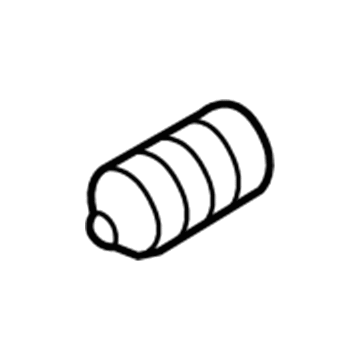
Volkswagen Passat Thermostat Part Number: 03H-121-113-D
$90.43 MSRP: $126.65You Save: $36.22 (29%)Ships in 1-2 Business Days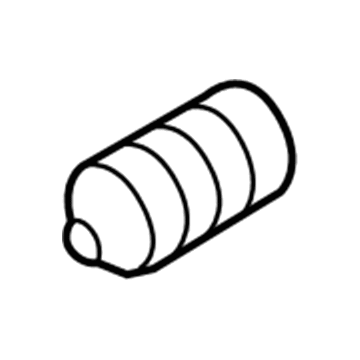
Volkswagen Passat Thermostat Part Number: 03H-121-113-E
$92.81 MSRP: $129.98You Save: $37.17 (29%)Ships in 1-2 Business Days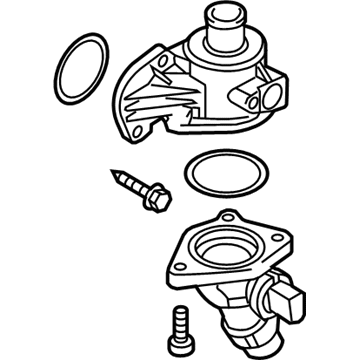
Volkswagen Passat Thermostat Part Number: 06F-121-111-F
$98.76 MSRP: $138.32You Save: $39.56 (29%)Ships in 1-2 Business Days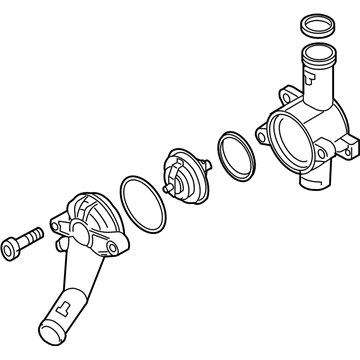
Volkswagen Passat Thermostat Unit Part Number: 07K-121-115-C
$221.33 MSRP: $309.98You Save: $88.65 (29%)Ships in 1-2 Business Days
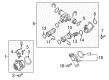
Volkswagen Passat Thermostat Part Number: 04L-121-113-C
$45.35 MSRP: $62.98You Save: $17.63 (28%)Ships in 1-2 Business Days
Volkswagen Passat Thermostat
The Volkswagen Passat Thermostat maintains the engine at the highly efficient temperature to ensure that it runs with plenty of power and that the engine parts last longer. This small closed-loop Thermostat device is located in a housing close to the radiator, and it measures the coolant temperature and opens or closes to either direct flow to the front grille or the block. The majority of Volkswagen vehicles are based upon the wax pellet system, in which heat is applied to cause the wax to expand so that it may push a valve open and then allow the cooling liquid to flow until the wax shrinks back. A simple bimetallic strip was sometimes applied in earlier mechanical versions, but the two styles are similar in that they respond quickly and in a spring-like manner, avoiding the possibility of overheating on steep climbs or slow warm-ups on cold mornings. In recent decades, individual models of Volkswagen combine the same simple valve with electronic regulation so that the dashboard can indicate the exact temperature despite the introduction of core mechanical action, which is still operated by wax. Although domestic or RV systems can be upgraded to digital programmable or communicating units, the Passat remains with a simple design since it has only one task that is balancing engine heat and not maintaining cabin comfort. In the case of routine service intervals, Volkswagen recommends that the Thermostat should be changed when such symptoms as sticking or leakage are observed, which proves the longevity of this element. Regardless of which variant is installed, the second difference between Thermostats is convenience, rather than location, as both of them will automatically come back to work as soon as the ignition is released. The device protects the drivetrain silently as it combines basic physics with intelligent sensing.
Choose OEM Thermostat for superior quality and long-lasting durability. They match the Volkswagen's factory specifications exactly and pass strict quality control. If you plan to replace Thermostat on your Passat, put OEM at the top of your list. You'll get the right fit, reliable performance, and peace of mind. We stock an extensive inventory of genuine Volkswagen Passat parts. It is easy to find what you need. You will love our competitive prices that help you save. No more hassle with returns or guesswork. Every part includes a warranty straight from the manufacturer. Get trusted quality, strong durability, and real value today.
Volkswagen Passat Thermostat Parts and Q&A
- Q:What precautions should be taken, and How to replace a faulty thermostat on Volkswagen Passat?A:Do not drive the car without a thermostat since the computer could be in open loop mode and this will adversely affect the emissions and fuel economy. The coolant level, drivebelt tension, and temperature gauge are the things to be checked before concluding that the thermostat is malfunctioning. When the engine takes long to warm up then the thermostat is probably stuck open and needs to be changed. In case the engine is hot, but the upper Radiator hose is not hot, the thermostat can be stuck shut, and thus will not allow coolant to escape to the radiator, and must also be changed. When the upper radiator hose is hot this means that coolant is running and therefore the thermostat is open. With the aim of replacing the thermostat, lift the front of the vehicle and place it on jackstands, dislodge the splash shield and drain the radiator of the coolant, saving it in case it is in good condition. In the case of V6 engines, the radiator support panel should be installed in the service position. Find the thermostat housing cover by tracing the bottom of the radiator hose to the engine; on four-cylinder engines it is on the driver side of the bottom of the water pump housing and on the V6 engines, it is in the front of the engine block. Press the tabs on the hose clamp and remove the hose off the thermostat housing cover being careful not to spill the coolant onto the timing belt. The cover fitting can be worn-out and in this case, it can be replaced. Unscrew the bolts/nuts to loosen the thermostat cover, ensure the orientation of how the thermostat was installed and the cover O-ring. Wipe the mating surfaces, mount the new thermostat as in with the appropriate end of the thermostat towards the outside, and a new O-ring on top and then re-mount the thermostat housing cover. Tighten the bolts to the required torque and may think of checking and changing hoses and clamps. Lastly, reverse the unloading process, fill up and bleed the system, and start the engine and leakages.
Related Volkswagen Passat Parts
 Volkswagen Passat Radiator fan
 Volkswagen Passat Coolant Pipe
 Volkswagen Passat Coolant Reservoir Cap
 Volkswagen Passat Cooling Fan Assembly
 Volkswagen Passat Cooling Fan Temperature Switch
 Volkswagen Passat Cooling Hose
 Volkswagen Passat Fan Mounting Bracket
 Volkswagen Passat Idler Pulley Bolt
 Volkswagen Passat Oil Cooler Hose
 Volkswagen Passat Radiator Cap
 Volkswagen Passat Radiator Hose
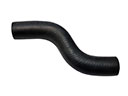 Volkswagen Passat Water Hose
Browse by Year
2022 Thermostat
2021 Thermostat
2020 Thermostat
2019 Thermostat
2018 Thermostat
2017 Thermostat
2016 Thermostat
2015 Thermostat
2014 Thermostat
2013 Thermostat
2012 Thermostat
2010 Thermostat
2009 Thermostat
2008 Thermostat
2007 Thermostat
2006 Thermostat
2005 Thermostat
2004 Thermostat
1999 Thermostat 1998 Thermostat 1997 Thermostat 1996 Thermostat 1995 Thermostat 1993 Thermostat 1992 Thermostat 1991 Thermostat 1990 Thermostat