×
- Hello
- Login or Register
- Quick Links
- Live Chat
- Track Order
- Parts Availability
- RMA
- Help Center
- Contact Us
- Shop for
- Volkswagen Parts

My Garage
My Account
Cart
Genuine Volkswagen Rabbit Fuse Box
Fuse Holder Box- Select Vehicle by Model
- Select Vehicle by VIN
Select Vehicle by Model
orMake
Model
Year
Select Vehicle by VIN
For the most accurate results, select vehicle by your VIN (Vehicle Identification Number).
2 Fuse Boxes found
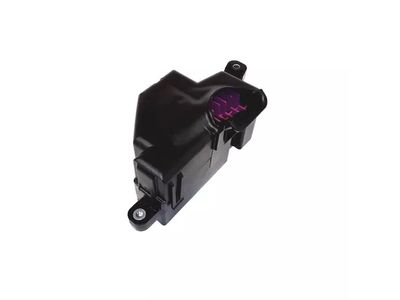
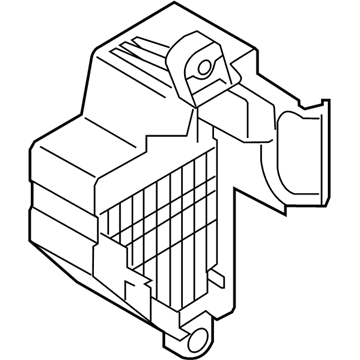
Volkswagen Rabbit Fuse Box Part Number: 1K1-941-824
$123.75 MSRP: $173.32You Save: $49.57 (29%)Ships in 1-2 Business Days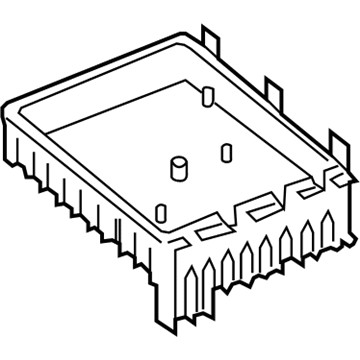
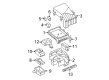
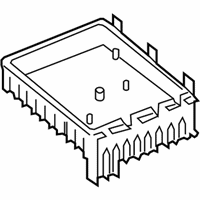
Volkswagen Rabbit Fuse & Relay Box Part Number: 1K0-937-125-A
$180.87 MSRP: $253.32You Save: $72.45 (29%)Ships in 1-2 Business Days
Volkswagen Rabbit Fuse Box
Choose OEM Fuse Box for superior quality and long-lasting durability. They match the Volkswagen's factory specifications exactly and pass strict quality control. If you plan to replace Fuse Box on your Rabbit, put OEM at the top of your list. You'll get the right fit, reliable performance, and peace of mind. We stock an extensive inventory of genuine Volkswagen Rabbit parts. It is easy to find what you need. You will love our competitive prices that help you save. No more hassle with returns or guesswork. Every part includes a warranty straight from the manufacturer. Get trusted quality, strong durability, and real value today.
Volkswagen Rabbit Fuse Box Parts and Q&A
- Q:How does a Fuse Box safeguard the electrical circuits and what should be considered when replacing fuses on Volkswagen Rabbit?A:A combination of fuses, circuit breakers and fusible links protect the electrical circuits of the vehicle, with the main fuse/relay panel being located in the engine compartment and the interior fuse/relay panel being located in the passenger compartment. The fuses are programmed to safeguard a circuit and this circuit is indicated on the fuse panel. Fuses come in different sizes such as small, medium and large, and the same blade terminal type is employed; medium and large fuses can be removed manually, but small fuses need pliers or a plastic fuse-puller gadget. When a piece of electrical equipment malfunctions, it is always crucial to look at the fuse and the most effective way is to apply a test light to see whether there is any power in the exposed ends of the terminals. The missing one side of power may indicate a blown fuse, or determine the fuse visually, since when it blows, the element between the terminals will be in a molten state. It is important to ensure that the replacement of fuses which have been blown by the right type as it is not recommended to use fuses of various ratings even though they might be of the same size. The size of protection needed in each circuit is marked by the value of the amperage shaping the top of the fuse body. When a replacement fuse breaks instantly the problem behind it, which is usually a short circuit caused by a damaged wire should be resolved before another replacement fuse is done. Also there are high-amperage fuses (so-called SA fuse) that are connected to the studs on the front of the underhood fuse/relay box and are installed in high-current circuits. The replacement of an SA fuse should involve the replacement of a fuse of the same specification and in case it blows the circuit needs to be troubleshooted and another fuse is installed.
Related Volkswagen Rabbit Parts
 Volkswagen Rabbit Antenna Mast
 Volkswagen Rabbit Battery Fuse
 Volkswagen Rabbit Fog Light Relay
 Volkswagen Rabbit Fuse
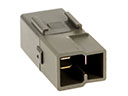 Volkswagen Rabbit Horn Relay
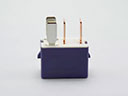 Volkswagen Rabbit Ignition Relay
 Volkswagen Rabbit Relay
 Volkswagen Rabbit Relay Block
 Volkswagen Rabbit Seat Belt
 Volkswagen Rabbit Seat Motor
 Volkswagen Rabbit Starter Relay
 Volkswagen Rabbit Vacuum Check Valve