×
- Hello
- Login or Register
- Quick Links
- Live Chat
- Track Order
- Parts Availability
- RMA
- Help Center
- Contact Us
- Shop for
- Volkswagen Parts

My Garage
My Account
Cart
Genuine Volkswagen Rabbit Oil Pan
Oil Drain Pan- Select Vehicle by Model
- Select Vehicle by VIN
Select Vehicle by Model
orMake
Model
Year
Select Vehicle by VIN
For the most accurate results, select vehicle by your VIN (Vehicle Identification Number).
6 Oil Pans found
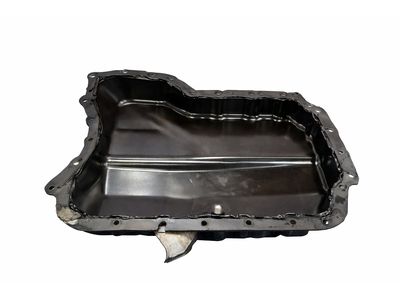
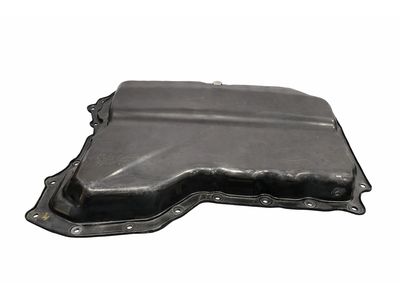
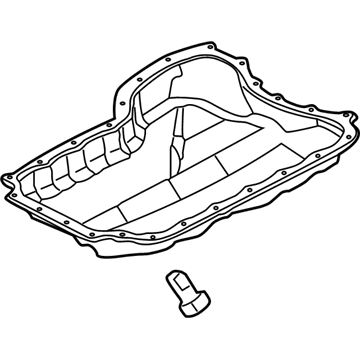
Volkswagen Rabbit Oil Pan Part Number: 07K-103-600-A
$130.70 MSRP: $183.05You Save: $52.35 (29%)Ships in 1-2 Business Days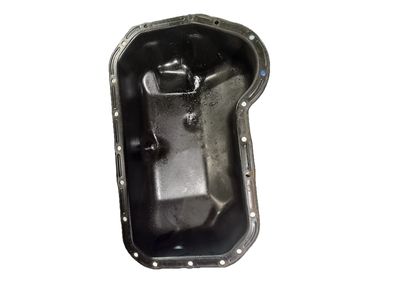
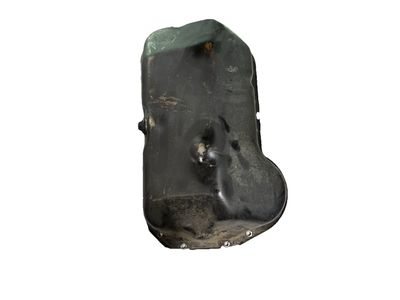
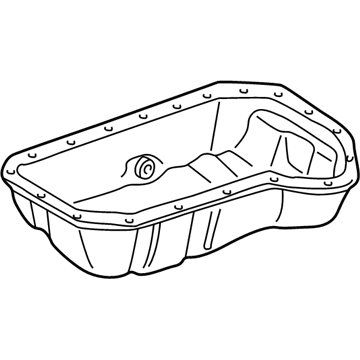
Volkswagen Rabbit Oil Pan Part Number: 051-103-601
$175.42 MSRP: $245.68You Save: $70.26 (29%)Ships in 1-2 Business Days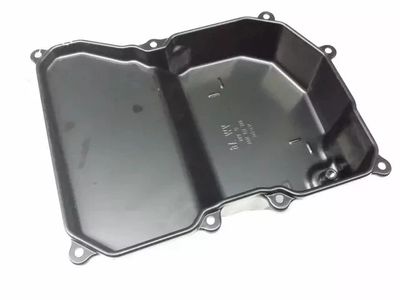
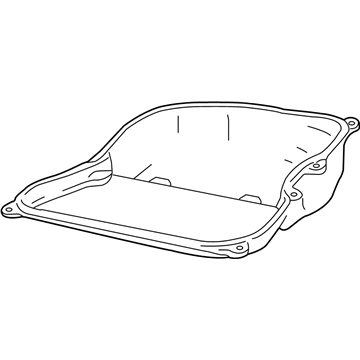
Volkswagen Rabbit Transmission Pan Part Number: 09G-321-361-A
$224.90 MSRP: $314.97You Save: $90.07 (29%)Ships in 1-2 Business Days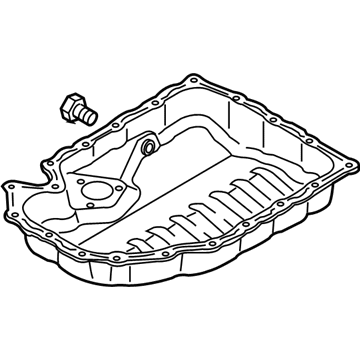
Volkswagen Rabbit Oil Pan Part Number: 06J-103-600-AF
$189.72 MSRP: $265.71You Save: $75.99 (29%)Ships in 1-2 Business Days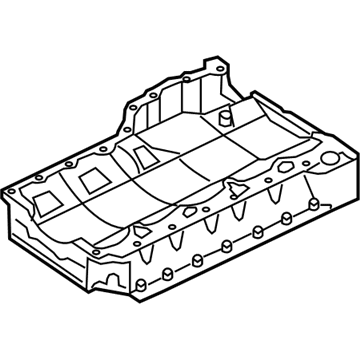
Volkswagen Rabbit Oil Pan Part Number: 07K-103-603-B
$430.40 MSRP: $587.99You Save: $157.59 (27%)Ships in 1-2 Business Days
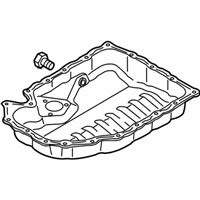
Volkswagen Rabbit Oil Pan Part Number: 068-103-601-F
$69.51 MSRP: $97.35You Save: $27.84 (29%)
Volkswagen Rabbit Oil Pan
Choose OEM Oil Pan for superior quality and long-lasting durability. They match the Volkswagen's factory specifications exactly and pass strict quality control. If you plan to replace Oil Pan on your Rabbit, put OEM at the top of your list. You'll get the right fit, reliable performance, and peace of mind. We stock an extensive inventory of genuine Volkswagen Rabbit parts. It is easy to find what you need. You will love our competitive prices that help you save. No more hassle with returns or guesswork. Every part includes a warranty straight from the manufacturer. Get trusted quality, strong durability, and real value today.
Volkswagen Rabbit Oil Pan Parts and Q&A
- Q:How to remove and install the oil pan for Four-cylinder engines on Volkswagen Rabbit?A:To change the oil pan, you have to block the rear wheels, parking brake first then raise the front part of the car on jackstands. Working under the car, take out the lower splash cover of the engine and empty the engine oil. In the case of the Timing Belt (BPY) engine, unscrew intercooler lower connector pipe, unscrew bolts that hold bracket and EVAP hose to oil pan and remove turbocharger oil return line. The second step is to loosen the transaxle-oil pan bolts, so far in the reverse order the oil pan and gasket are installed. Unscrew and remove the oil pan bolts then the oil pan itself and the gasket, tap,tap,tap,tap,tap,tap,tap,tap,tap,tap,tap,tap,tap,tap,tap,tap,tap,tap,tap,tap,tap,tap,tap,tap,tap,t In timing chain engines, (CCTA, CBFA) engines, pull off the lower oil pan with its fasteners and the oil pan then continue and pull off the air charge pipe and lower air charge hose. Once the lower oil pan is cleared, disassemble the transaxle, the Oil Pump and disassemble the lower timing chain cover-to-oil pan bolts. Install a special tool by clamping on the oil pump drive chain tensioner and then undo the oil pan bolts in reverse sequence and remove the oil pan and gasket and you may need to tap the reverse side. To install, remove old sealant in block and oil pan, and oil pan flange, clean surfaces of the mating parts, and examine the oil pan flange. Sealant: Place a bead of RTV sealant on the flange of the oil pan, and place the oil pan over the engine block and install the bolts, hand tighten and to the recommended torque. Do the same with the upper oil pan and make sure to apply sealant and fit bolts in the right positions. Last but not least, the rest of installation is the opposite of removal, which is to follow the sealant drying time and apply oil, and to test the engine to examine the oil pressure and leaks.
Related Volkswagen Rabbit Parts
 Volkswagen Rabbit Crankshaft Gear
 Volkswagen Rabbit Crankshaft Seal
 Volkswagen Rabbit Engine Oil Cooler
 Volkswagen Rabbit Intake Valve
 Volkswagen Rabbit Oil Drain Plug
 Volkswagen Rabbit Oil Filler Cap
 Volkswagen Rabbit Oil Pan Baffle
 Volkswagen Rabbit Spool Valve
 Volkswagen Rabbit Timing Belt Tensioner
 Volkswagen Rabbit Timing Chain
 Volkswagen Rabbit Timing Chain Guide
 Volkswagen Rabbit Valve Lifter