×
- Hello
- Login or Register
- Quick Links
- Live Chat
- Track Order
- Parts Availability
- RMA
- Help Center
- Contact Us
- Shop for
- Volkswagen Parts

My Garage
My Account
Cart
Genuine Volkswagen Alternator
Generator- Select Vehicle by Model
- Select Vehicle by VIN
Select Vehicle by Model
orMake
Model
Year
Select Vehicle by VIN
For the most accurate results, select vehicle by your VIN (Vehicle Identification Number).
125 Alternators found
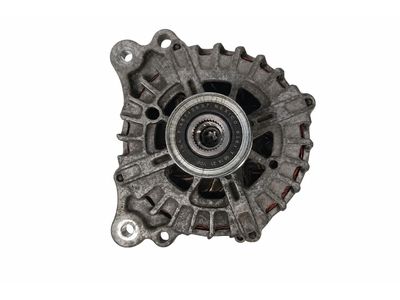
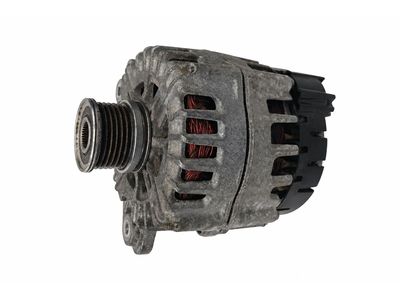
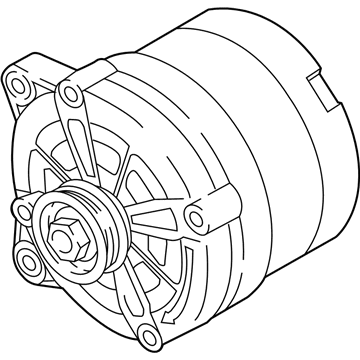
Volkswagen Alternator Part Number: 03H-903-023-Q
$616.09 MSRP: $776.91You Save: $160.82 (21%)Ships in 1-2 Business Days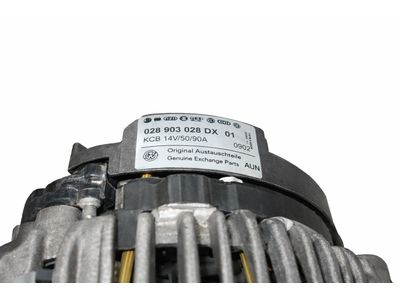
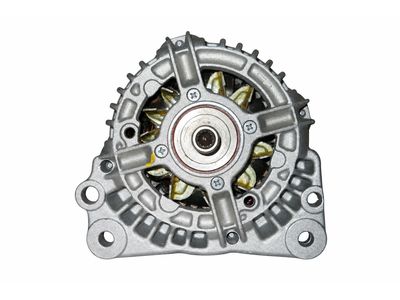
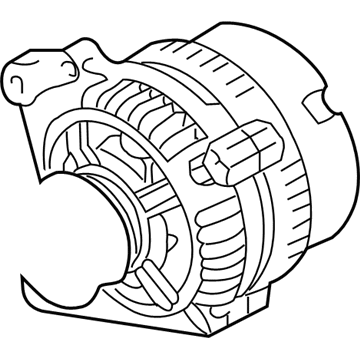
Volkswagen Alternator Part Number: 028-903-028-DX
$589.69 MSRP: $742.29You Save: $152.60 (21%)Ships in 1-2 Business Days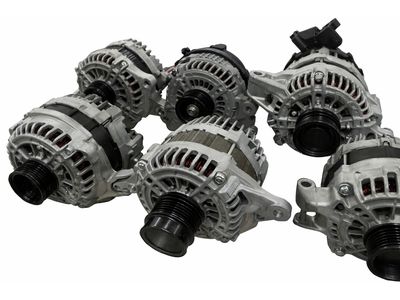
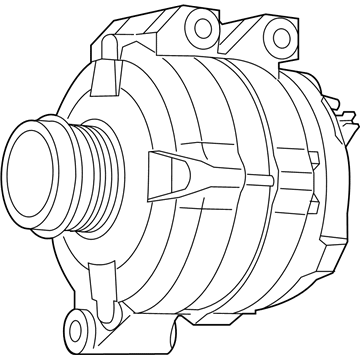
Volkswagen Alternator Part Number: 7B0-998-015-C
$1230.96 MSRP: $1681.64You Save: $450.68 (27%)Ships in 1-2 Business DaysProduct Specifications- Other Name: Repair Kit
- Replaces: 7B0-998-015-A, 7B0-903-015-C, 7B0-998-015-B, 7B0-998-015, 7B0-903-015-CX-RMN
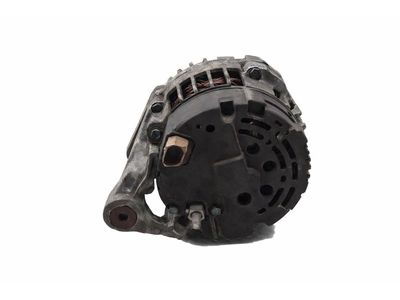
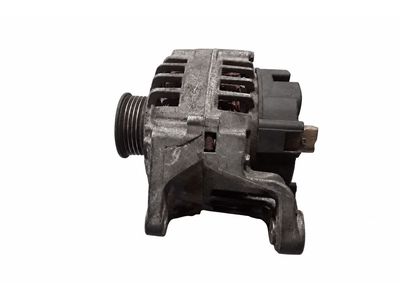
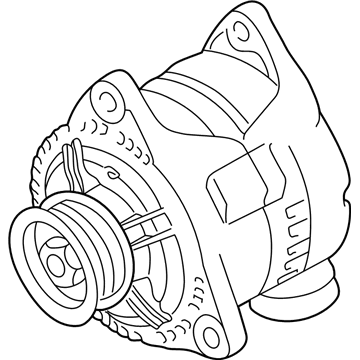
Volkswagen Alternator Part Number: 06B-903-018-DX
$195.38 MSRP: $248.52You Save: $53.14 (22%)Ships in 1-2 Business Days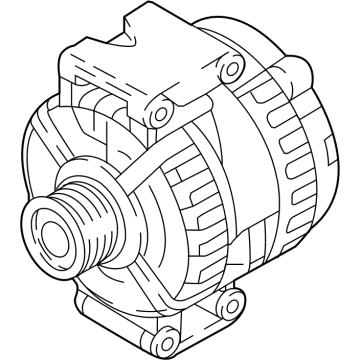
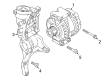
Volkswagen Alternator Part Number: 06K-903-026-C
$405.64 MSRP: $511.53You Save: $105.89 (21%)Ships in 1-2 Business DaysVolkswagen Alternator Part Number: 03H-903-023-M
$384.29 MSRP: $484.60You Save: $100.31 (21%)Ships in 1-2 Business Days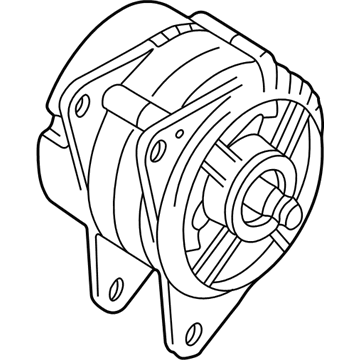
Volkswagen Alternator Part Number: 051-903-017-X
$515.38 MSRP: $644.62You Save: $129.24 (21%)Ships in 1-2 Business DaysProduct Specifications- Replaces: 051-903-017
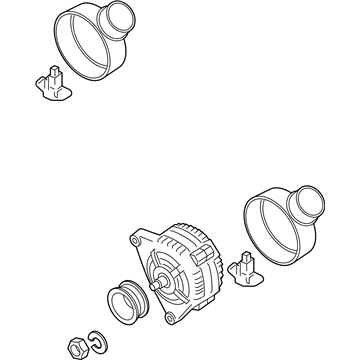
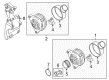
Volkswagen Alternator Part Number: 06F-903-023-G
$1052.24 MSRP: $1326.90You Save: $274.66 (21%)Ships in 1-2 Business DaysProduct Specifications- Replaces: 06F-903-023-B
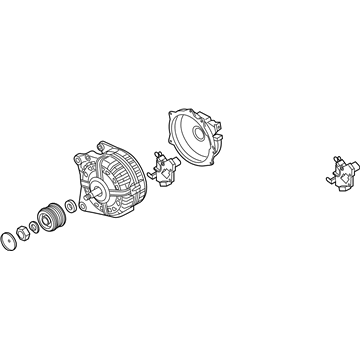
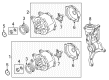
Volkswagen Alternator Part Number: 06K-903-023-G
$1238.29 MSRP: $1561.52You Save: $323.23 (21%)Ships in 1-2 Business DaysProduct Specifications- Replaces: 06K-903-023-BX, 06K-903-023-GX, 06K-903-023-B
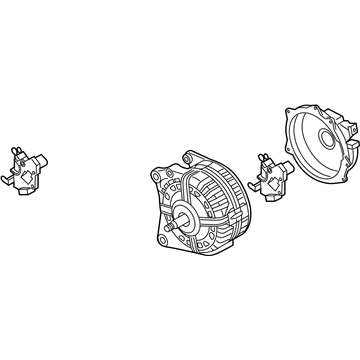
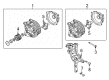
Volkswagen Alternator Part Number: 06K-903-023-K
$487.99 MSRP: $615.36You Save: $127.37 (21%)Ships in 1-2 Business DaysProduct Specifications- Replaces: 06K-903-023-DX, 06K-903-023-D
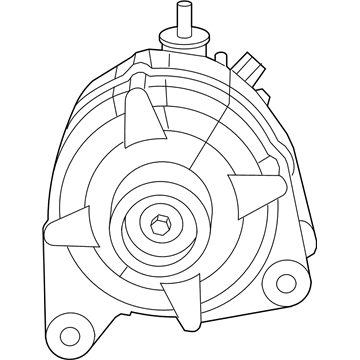
Volkswagen Alternator Part Number: 7B0-903-015-A
$431.42 MSRP: $589.37You Save: $157.95 (27%)Ships in 1-2 Business Days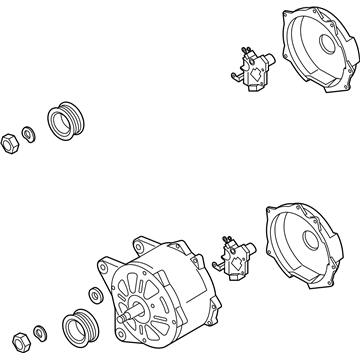
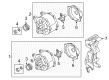
Volkswagen Alternator Part Number: 03H-903-023-K
$1323.69 MSRP: $1669.22You Save: $345.53 (21%)Ships in 1-2 Business DaysProduct Specifications- Replaces: 03H-903-023-KX
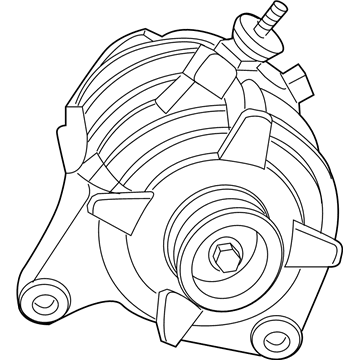
Volkswagen Alternator Part Number: 7B0-903-015-B
$468.15 MSRP: $639.55You Save: $171.40 (27%)Ships in 1-2 Business DaysProduct Specifications- Replaces: 7B0-903-015
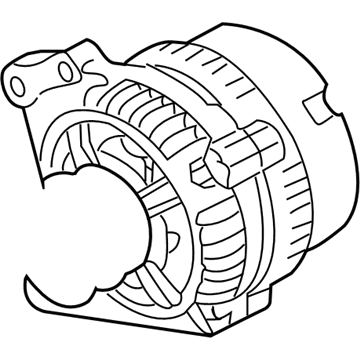
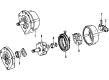
Volkswagen Alternator Part Number: 175-903-023-LX
$151.24 MSRP: $195.52You Save: $44.28 (23%)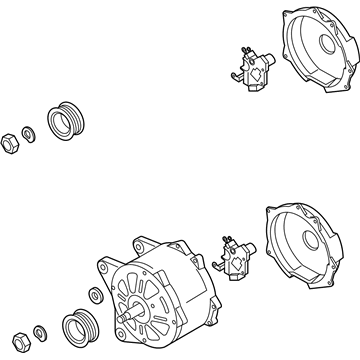
Volkswagen Alternator Part Number: 06F-903-023-R
$192.77 MSRP: $249.22You Save: $56.45 (23%)Ships in 1-2 Business Days
Volkswagen Alternator Part Number: 03H-903-026-A
$195.15 MSRP: $252.29You Save: $57.14 (23%)Ships in 1-2 Business Days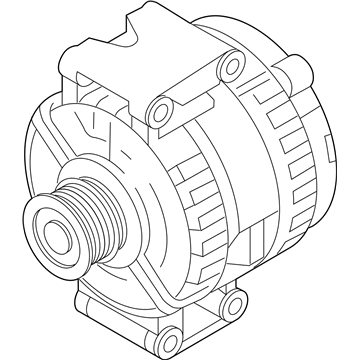
Volkswagen Alternator Part Number: 06K-903-015-D
$199.91 MSRP: $258.45You Save: $58.54 (23%)Ships in 1-2 Business Days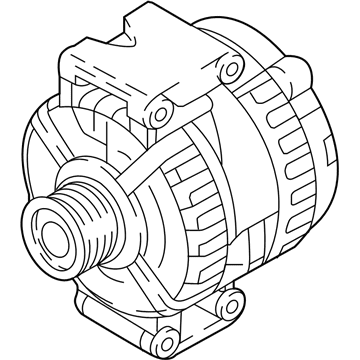
Volkswagen Alternator Part Number: 06K-903-015-DX
$201.93 MSRP: $256.98You Save: $55.05 (22%)Ships in 1-2 Business DaysProduct Specifications- Replaces: 06K-903-015-BX
Volkswagen Alternator Part Number: 06K-903-026-D
$274.91 MSRP: $346.68You Save: $71.77 (21%)Ships in 1-2 Business DaysVolkswagen Alternator Part Number: 06K-903-026-E
$309.44 MSRP: $390.22You Save: $80.78 (21%)Ships in 1-2 Business Days
| Page 1 of 7 |Next >
1-20 of 125 Results
Volkswagen Alternator
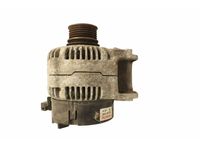
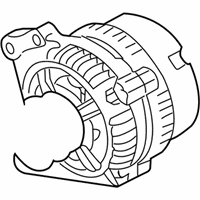
Volkswagen Alternator keeps every car in the lineup alive by converting the motion of the engine into steady electricity that charges the battery and powers lights, infotainment, and safety sensors even on long night drives. From its origins in Wolfsburg in 1937, VW set out to build a reliable people car, and that goal still informs the lineup today. Iconic models such as Beetle, Type 2 van, and flexible Golf demonstrate how clever packaging and clean styling can be combined with solid performance. Modern VW hatchbacks, sedans, and SUVs share the smart MQB platform, optimizing production while enabling TSI turbo engines, direct fuel injection, and sophisticated digital cockpits to shine. The brand also pioneers electric mobility with the ID series and refines user experience with responsive MIB touchscreens and head-up displays. This wide commitment to innovation means that every VW is a balance of efficiency, comfort, and fun at an accessible price. Complementing these characteristics, the Alternator is at the center of the electrical system and uses a belt-driven rotor, copper windings, and diodes to convert mechanical rotation into stable direct current around fourteen volts. Cooling fins and vent holes help to control the heat while modern internal regulators adjust the field current for smooth voltage control. Lightweight brush packs and better heat sinks cope with growing demands from the addition of extra gadgets without compromising durability and ensure reliable starts and uninterrupted entertainment across the entire range.
Buying OEM parts is a smart move to keep your long-term repair costs low. These components are built to last because VW uses such strict factory standards. At VWPartsGiant.com, it is easy to find genuine Volkswagen Alternator at prices that actually beat the competition. You get a real manufacturer's warranty with every single part, so you know your purchase is safe. Plus, forget about return headaches since our policy is easy and worry-free. We ship your order fast, too. If you have questions, our team of parts experts is ready to help. Why wait? Start shopping now!
Volkswagen Alternator Parts and Q&A
- Q:How to remove and inspect the alternator and its components on Volkswagen Cabrio?A:Take out the alternator and put it on a clean working surface with the pulley side downwards. Take the screws that retain it out, push the clips apart, and scratch off the plastic cover at the back of the alternator. Unscrew and remove screws of the brush holder/voltage regulator module and then raise the module up off the alternator. Measure the free length of the brush contacts between the emblem marked by the manufacturer on the side face to the shallowest point of the curved end face of the brush. Take out the retaining screws and scrap the brush contact and verify the reading with the specifications; change the module when the brushes are too worn out below the minimum limit. Check the slip rings on ends of alternator shaft and in the event they seem too worn, burnt, or pitted, replace them and seek the advice of automobile electrical system expert. Disassembling the alternator should be reversed, and the alternator should be reassembled and installed.
- Q:How to remove and reinstall the alternator and generator assembly on Volkswagen Transporter?A:A fan and generator have a common shaft, and their removal simultaneously are necessary out of the engine, which starts with the carburettor being removed and the fan housing raised, thus necessitating the removal of the thermostat. The fan belt should then be removed, then the battery should be disconnected to prevent short circuit accidents, the air cleaner removed and wires at the top of the generator disconnected, they must be labelled so that they can be put back in place. The generator is attached to the pedestal with a metal strap; the clamping bolt on the right must be unscrewed, and the strap pushed off. When the engine is out of the car, it is recommended to loosen the fan nut beforehand, with the notch in the fan belt pulley which holds the shaft during the loosening of the nut. The fan housing can be lifted up after removing the four bolts used to fix the fan cover plates to the fan housing to extract the generator and fan assembly. The fan nut will be removed by clamping the generator body in a vice, with the assembly removed, the fan belt pulley should be reassembled and the fan nut should be removed. After removing the nut, the dished lock washer may then be taken out, as well as the fan, thrust washer, spacer washers, the fan hub which is keyed into the shaft. The fan cover plates are attached to the generator by the use of two nuts on the ends of the generator by using bolts so that the inner cover slot is facing downwards and the dished cover fits into the fan housing to optimally ensure that the air is being drawn out of the fan. It is also important that the reassembling process is done thoughtfully beginning with the outer cover plate and then the stiffening plate and then the inner cover plate whereby the peripheral slot should face the bottom of the fan housing. The dynamo shaft requires the spacer ring that prevents jamming and then the fans hub and spacer washers can be replaced by the fan. The special lock washer and nut would then be changed with the raised edges of the dished lock washer facing the nut. The nut should be firmly clamped so as to make the hub fully settled, the distance between the fan and the cover plate should be at least 2 mm (0.080 ins); this can be corrected by adding or taking away shims. Latter torque of fan nut is recommended to be 43lb ft. The re-installation of generator/fan assembly is followed by the removal procedure in reverse but one must take care not to distort them and to have everything in place before tightening. The strap must be used to fit the shapes of the pedestal bracket, and when all is tightened the fan must be rotated to ensure there is no contact, which would mean it is not aligned or bent. The subsequent models have a reduced pulley diameter of 170 mm, and a revised fan housing with an air deflector ring.
Related Volkswagen Parts
 Volkswagen Starter
 Volkswagen Alternator Pulley
 Volkswagen Starter Solenoid
 Volkswagen Voltage Regulator
 Volkswagen Alternator Bearing
 Volkswagen Alternator Bracket
 Volkswagen Alternator Brush
 Volkswagen Armature
 Volkswagen Battery Hold Downs
 Volkswagen Ground Cables
 Volkswagen Starter Brush
 Volkswagen Starter Drive Gear
Browse by Model
Arteon Alternator Atlas Alternator Atlas Cross Sport Alternator Beetle Alternator Cabrio Alternator Cabriolet Alternator CC Alternator Corrado Alternator Eos Alternator EuroVan Alternator Fox Alternator Golf Alltrack Alternator Golf Alternator Golf R Alternator Golf SportWagen Alternator GTI Alternator Jetta Alternator Passat Alternator Phaeton Alternator Quantum Alternator R32 Alternator Rabbit Alternator Routan Alternator Scirocco Alternator Taos Alternator Tiguan Alternator Tiguan Limited Alternator Touareg Alternator Transporter Alternator Vanagon Alternator