×
- Hello
- Login or Register
- Quick Links
- Live Chat
- Track Order
- Parts Availability
- RMA
- Help Center
- Contact Us
- Shop for
- Volkswagen Parts

My Garage
My Account
Cart
Genuine Volkswagen Brake Disc
Disc Rotor- Select Vehicle by Model
- Select Vehicle by VIN
Select Vehicle by Model
orMake
Model
Year
Select Vehicle by VIN
For the most accurate results, select vehicle by your VIN (Vehicle Identification Number).
68 Brake Discs found
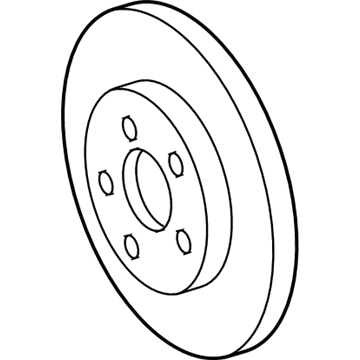
Volkswagen Rotor Part Number: 7B0-615-301-C
$106.39 MSRP: $149.00You Save: $42.61 (29%)Ships in 1-2 Business DaysProduct Specifications- Other Name: Brake Disc
- Replaces: 7B0-615-301-A, 7B0-615-301, 7B0-615-301-B, 7B0-615-301-D
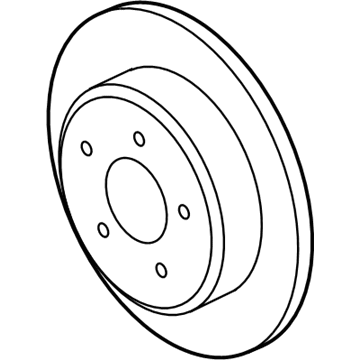
Volkswagen Rotor Part Number: 7B0-615-601-B
$106.39 MSRP: $149.00You Save: $42.61 (29%)Ships in 1-2 Business DaysProduct Specifications- Other Name: Brake Disc
- Replaces: 7B0-615-601-A, 7B0-615-601
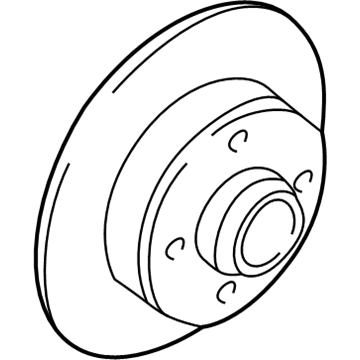
Volkswagen Rotor Part Number: 357-615-601-B
$41.03 MSRP: $52.60You Save: $11.57 (22%)Product Specifications- Other Name: Brake Disc; Brake Rotor, Hub & Rotor
Volkswagen Rotor Part Number: 6N0-615-601
$41.30 MSRP: $52.95You Save: $11.65 (22%)Product Specifications- Other Name: Brake Disc; Brake Rotor, Hub & Rotor
- Replaces: 357-615-601
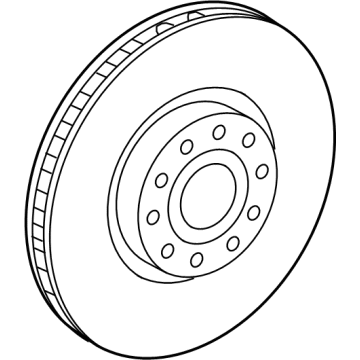
Volkswagen Rotor Part Number: 3QF-615-301-J
$63.72 MSRP: $82.39You Save: $18.67 (23%)Ships in 1-2 Business DaysProduct Specifications- Other Name: Brake Disc
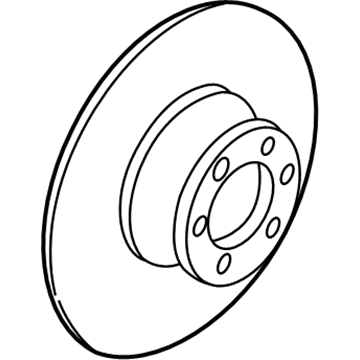
Volkswagen Rotor Part Number: 7D0-615-601-B
$69.02 MSRP: $89.23You Save: $20.21 (23%)Ships in 1-2 Business DaysProduct Specifications- Other Name: Brake Disc; Brake Rotor
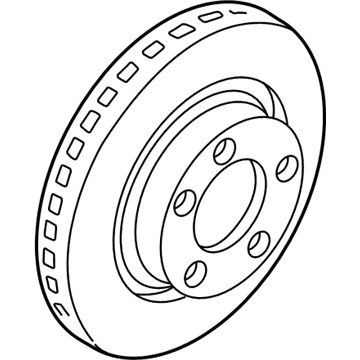
Volkswagen Rotor Part Number: 8E0-615-301-C
$76.95 MSRP: $99.48You Save: $22.53 (23%)Ships in 1-2 Business DaysProduct Specifications- Other Name: Brake Disc
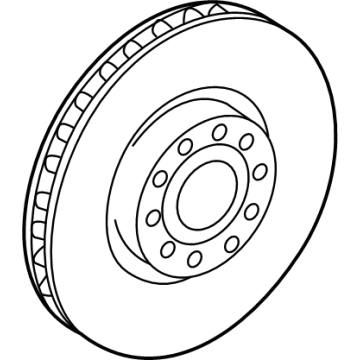
Volkswagen Rotor Part Number: 1EK-615-301-A
$85.41 MSRP: $110.41You Save: $25.00 (23%)Ships in 1-2 Business DaysProduct Specifications- Other Name: Brake Disc
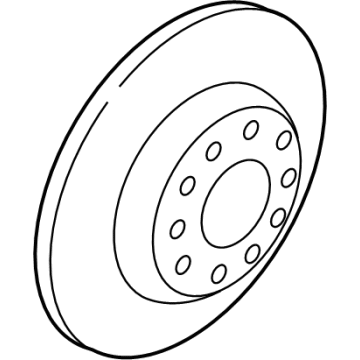
Volkswagen Rotor Part Number: 3Q0-615-601-A
$82.11 MSRP: $106.16You Save: $24.05 (23%)Ships in 1-2 Business DaysProduct Specifications- Other Name: Brake Disc
- Replaces: 3Q0-615-601
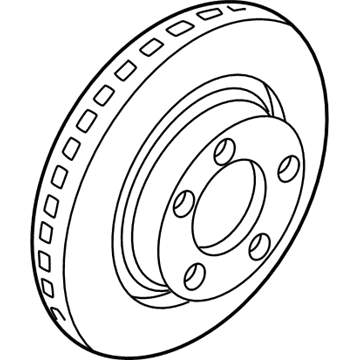
Volkswagen Rotor Part Number: 4B0-615-301-B
$82.11 MSRP: $106.16You Save: $24.05 (23%)Ships in 1-2 Business DaysProduct Specifications- Other Name: Brake Disc
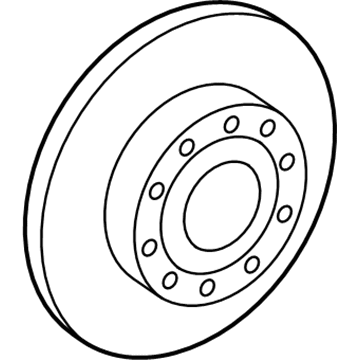
Volkswagen Rotor Part Number: 5C0-615-601-A
$82.11 MSRP: $106.16You Save: $24.05 (23%)Ships in 1-2 Business DaysProduct Specifications- Other Name: Brake Disc
- Replaces: 5C0-615-601
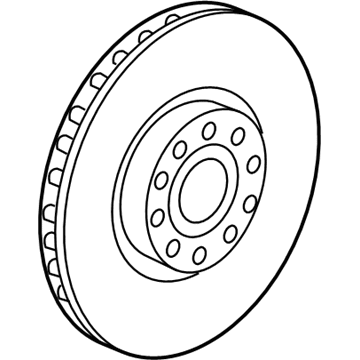
Volkswagen Rotor Part Number: 5Q0-615-301-H
$85.41 MSRP: $110.41You Save: $25.00 (23%)Ships in 1-2 Business DaysProduct Specifications- Other Name: Brake Disc
- Replaces: 1K0-615-301-T, JZW-615-301-J
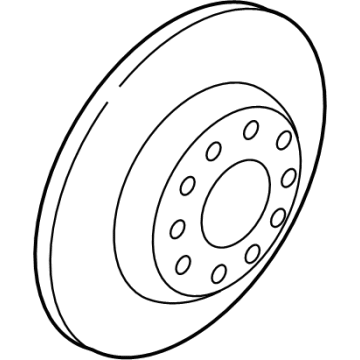
Volkswagen Rotor Part Number: 5QM-615-601-E
$85.41 MSRP: $110.41You Save: $25.00 (23%)Ships in 1-2 Business DaysProduct Specifications- Other Name: Brake Disc
- Replaces: 5QM-615-601-C
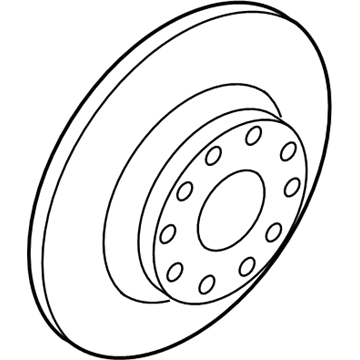
Volkswagen Rotor Part Number: 5QN-615-601-A
$82.11 MSRP: $106.16You Save: $24.05 (23%)Ships in 1-2 Business DaysProduct Specifications- Other Name: Brake Disc
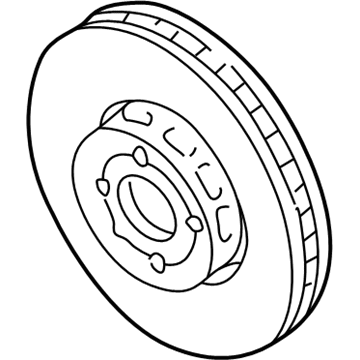
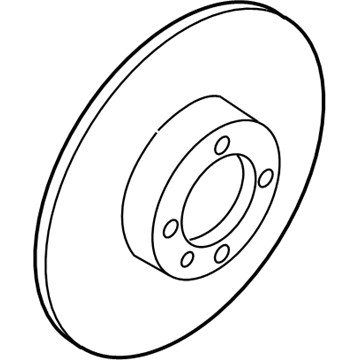
Volkswagen Rotor Part Number: 6N0-615-301-D
$82.11 MSRP: $106.16You Save: $24.05 (23%)Ships in 1-2 Business DaysProduct Specifications- Other Name: Brake Disc
- Replaces: 321-615-301-D
Volkswagen Rotor Part Number: 6R0-615-301-D
$85.41 MSRP: $110.41You Save: $25.00 (23%)Ships in 1-2 Business DaysProduct Specifications- Other Name: Brake Disc
- Replaces: 1J0-615-301-S, 1J0-615-301-K, 6R0-615-301-A
Volkswagen Brake Rotor Part Number: 7D0-615-601-C
$85.41 MSRP: $110.41You Save: $25.00 (23%)Ships in 1-2 Business DaysProduct Specifications- Other Name: Brake Disc
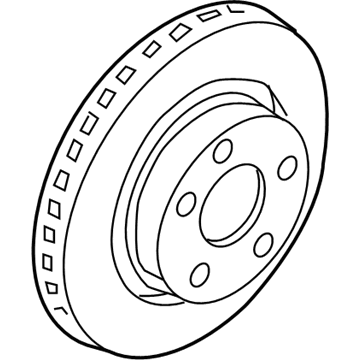
Volkswagen Rotor Part Number: 8E0-615-301-Q
$85.41 MSRP: $110.41You Save: $25.00 (23%)Ships in 1-2 Business DaysProduct Specifications- Other Name: Brake Disc
- Replaces: 4A0-615-301-C, 4A0-615-301-E
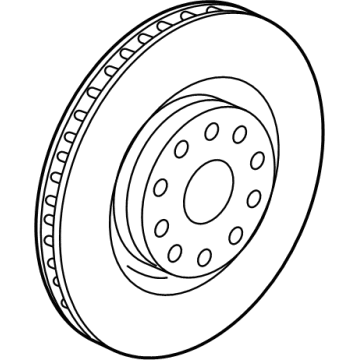
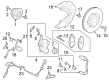
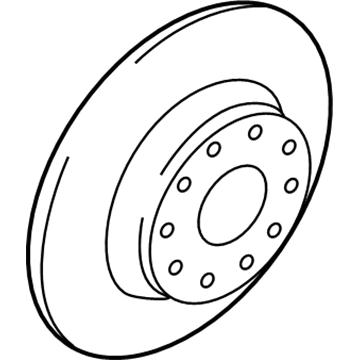
Volkswagen Rotor Part Number: 5QM-615-301
$85.41 MSRP: $110.42You Save: $25.01 (23%)Ships in 1-2 Business DaysProduct Specifications- Other Name: Brake Disc
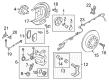
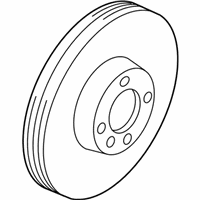
Volkswagen Rotor Part Number: 5Q0-615-601-E
$87.95 MSRP: $113.70You Save: $25.75 (23%)Ships in 1-2 Business DaysProduct Specifications- Other Name: Brake Disc
- Replaces: 1K0-615-601-N
| Page 1 of 4 |Next >
1-20 of 68 Results
Volkswagen Brake Disc
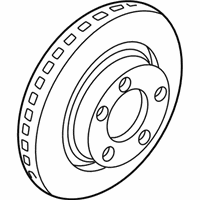
Volkswagen Brake Disc converts spinning wheel motion into safe, predictable stopping power for every car in the lineup, letting drivers trust their ride in traffic and on open roads. Born in 1937 with the dream of a people car, VW grew from the iconic Beetle to the versatile Type 2 van, and today you see its spirit in agile TSI turbo engines, smart direct fuel injection, and the flexible MQB platform that keeps costs reasonable without cutting quality. Drivers appreciate clean, simple styling, smooth digital cockpits, park assist, and the growing ID electric family, all proof that VW blends innovation with everyday usefulness. Whether cruising in a vintage classic or a modern ID.4, fans value the same rock-solid engineering that made VW a household name. At the center of safe performance, the Brake Disc sits on each wheel hub, spinning with the rim until hydraulic calipers clamp down, turning kinetic energy into heat that vented channels quickly release so fade stays minimal and pedal feel stays firm. A vented front rotor handles repeated hard stops, while solid rear units manage routine braking, and optional drilled or slotted faces push away water for steady grip. Regular visual checks for cracks or heavy scoring keep the system sharp, ensuring owners enjoy balanced deceleration and confidence every mile.
Buying OEM parts is a smart move to keep your long-term repair costs low. These components are built to last because VW uses such strict factory standards. At VWPartsGiant.com, it is easy to find genuine Volkswagen Brake Disc at prices that actually beat the competition. You get a real manufacturer's warranty with every single part, so you know your purchase is safe. Plus, forget about return headaches since our policy is easy and worry-free. We ship your order fast, too. If you have questions, our team of parts experts is ready to help. Why wait? Start shopping now!
Volkswagen Brake Disc Parts and Q&A
- Q: How to properly remove and reinstall a brake disc on Volkswagen Jetta?A:Relax the wheel bolts, lift the vehicle and keep the vehicle balanced using jackstands and then take off the wheel. Jack up the brake caliper and then remove the brake caliper but do not lose the brake hose, and hang it out of reach with a piece of wire being careful not to stretch or twist the hose. Install the wheel bolts back in to hold the disc in place in case necessary, with washers, which may be necessary, to fill the gaps. Examine the surface of the disk visually, looking at all score marks, cracks, etc.; light scratches and shallow grooves are ok, but deep score marks or cracks may require refinishing or replacement. Feel both sides of the disc and in case of pulsation when you are braking, then think of disc runout. To measure runout, an indicator of dial size, approximately 1/2-inch in diameter and mounted approximately 1/2-inch out of the outer rim, should be used, put in zero, and the disc turned; an indication of more than 0.003 inch can be checked by refinishing or replacement. In case of no necessity to have refinishing, the brake pad surface can be de-glazed by means of swirling movement on emery cloth or sandpaper. Make sure that the disc is not machined beneath the recommended minimum thickness which is usually cast or stamped into the disc and measure the thickness using a micrometer. To remove, remove the brake caliper and suspend and then the caliper mounting bracket. Unscrew the screw that holds the disc, and remove the disc, including any wheel bolts which there may be, with a mallet, should there be some. Wipe off all the rust or corrosion on the hub flange and inside the brake disc, and apply a small coat of anti-seize compound between the hub flange and the inside of the disc. Install the disc on the hub and screw the retaining screw on and then the brake caliper mounting bracket and bolts to the required torque. Then install the brake pads and the caliper tightening the bolts to a torque and then install the wheel and lowering the vehicle to the ground, tightening the wheel bolts. Press the brake pedal several times to contact the brake pads on the disc and verify brake functionality and the parking brake, then get back to normal functioning of the vehicle.
- Q: How to properly check and replace brake discs on Volkswagen Passat?A:Loose the wheel bolts, uplift the vehicle and place it on jackstands. Take out the wheel and refit the wheel bolts tightening them up firmly to check the runout. When the bolts fail to make contact with the disc when screwed on completely, place washers under the bolts. Take out the brake caliper without removing the brake hose, and hang the caliper out of the way using a piece of wire. Open the disc lid and look at the surface visually looking after any scars and other damage; extremely light scratches and shallow grooves are not a problem, but deep scoring necessitates removal and rebranding of the disc by a dealer automotive machine shop. Inspect the discs on both sides, extreme wear caused by poorly maintained brake pads can result in a replacement of the discs. In order to measure the disc runout, insert a dial indicator just 1/2-inch off the outer rim of the disc with the dial adjusted to zero and spin the disc, the dial indicator must not indicate a higher runout than the recommended limit. When it does, then one should refinish the disc. When replacing brake pads, it is also always good to resurface the discs to give it a smooth finish, which will remove the brake pedal pulsation. Unless resurfacing, wipe off the glaze on the surface with emery cloth or sandpaper in a swirling motion. Check that the disc is not cut to less than the required minimum allowable thickness which is cast into the disc. Measure the disc thickness at a number of points using a micrometer. Take out the two caliper mounting bracket bolts and loosen the mounting bracket. Unscrew the bolts that are affixing the disc then slide the disc off the hub. Install the disc in the hub flange to align the bolt holes. Install the caliper mounting bracket and screw the bolts to the required tightness. Install the caliper with guide pins or mounting bolts to particular torque. Install the wheel, lower the vehicle and attach the wheel bolts to the required torque. Pump the brake pedal a few times to get the pads in contact with the disc, and ensure that the brakes are functioning correctly before driving the car.
Related Volkswagen Parts
 Volkswagen Oxygen Sensor
 Volkswagen Fuel Injector
 Volkswagen Axle Support Bushings
 Volkswagen Brake Pad Set
 Volkswagen Car Bulbs
 Volkswagen Headlight Screws
 Volkswagen Idler Pulley
 Volkswagen Intake Valve
 Volkswagen Power Steering Cylinder Boot Kit
 Volkswagen Sway Bar Bushing
 Volkswagen Timing Cover Gasket
 Volkswagen Windshield Wiper Motors
Browse by Model
Arteon Brake Disc Atlas Brake Disc Atlas Cross Sport Brake Disc Beetle Brake Disc Cabrio Brake Disc Cabriolet Brake Disc CC Brake Disc Corrado Brake Disc e-Golf Brake Disc Eos Brake Disc EuroVan Brake Disc Fox Brake Disc Golf Alltrack Brake Disc Golf Brake Disc Golf R Brake Disc Golf SportWagen Brake Disc GTI Brake Disc ID.4 Brake Disc Jetta Brake Disc Passat Brake Disc Phaeton Brake Disc Quantum Brake Disc R32 Brake Disc Rabbit Brake Disc Rabbit Convertible Brake Disc Routan Brake Disc Scirocco Brake Disc Taos Brake Disc Tiguan Brake Disc Tiguan Limited Brake Disc Touareg Brake Disc Vanagon Brake Disc