×
- Hello
- Login or Register
- Quick Links
- Live Chat
- Track Order
- Parts Availability
- RMA
- Help Center
- Contact Us
- Shop for
- Volkswagen Parts

My Garage
My Account
Cart
Genuine Volkswagen Catalytic Converter
Cat. Converter- Select Vehicle by Model
- Select Vehicle by VIN
Select Vehicle by Model
orMake
Model
Year
Select Vehicle by VIN
For the most accurate results, select vehicle by your VIN (Vehicle Identification Number).
169 Catalytic Converters found
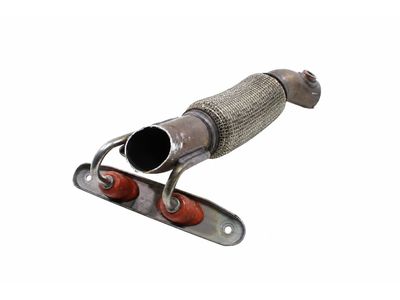
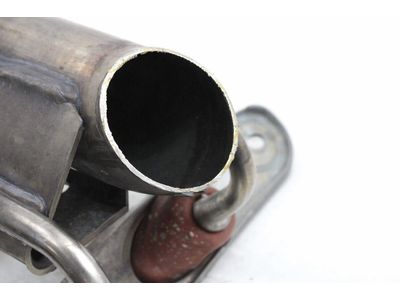
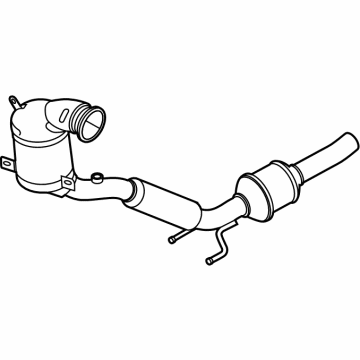
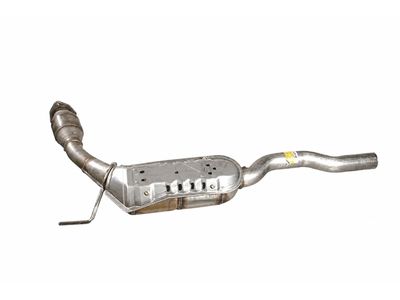
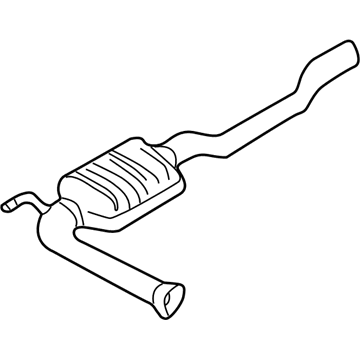
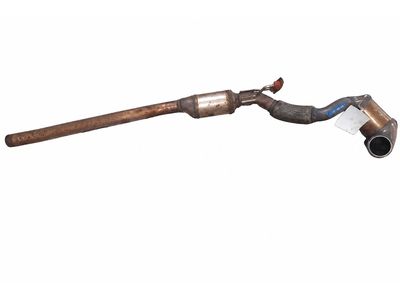
Volkswagen Catalytic Converter Part Number: 5QN-254-500
$2949.75 MSRP: $3454.04You Save: $504.29 (15%)Ships in 1-2 Business DaysProduct Specifications- Other Name: Catalytic; Converter & Pipe
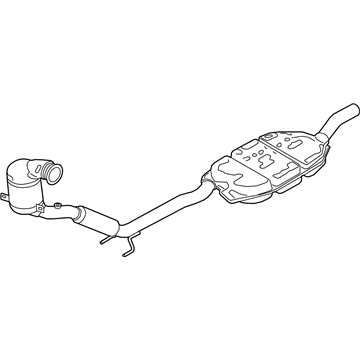
Volkswagen Catalytic Converter Part Number: 023-131-089-DX
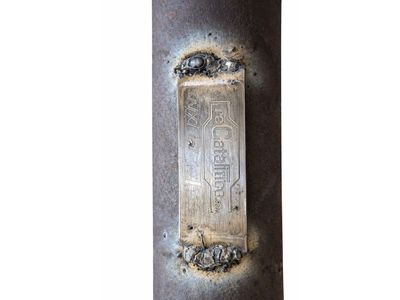
$2147.15 MSRP: $2497.01You Save: $349.86 (15%)Ships in 1-2 Business DaysProduct Specifications- Other Name: Catalytic; Converter & Pipe
Volkswagen Catalytic Converter Part Number: 5QN-254-500-Q
$4676.06 MSRP: $5475.49You Save: $799.43 (15%)Ships in 1-2 Business DaysProduct Specifications- Other Name: Catalytic; Converter & Pipe
- Replaces: 5QN-254-500-G
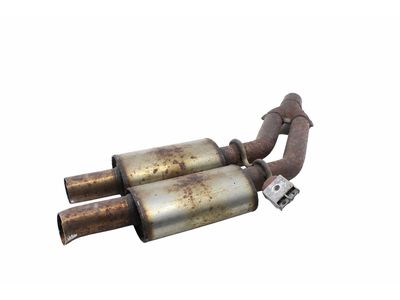
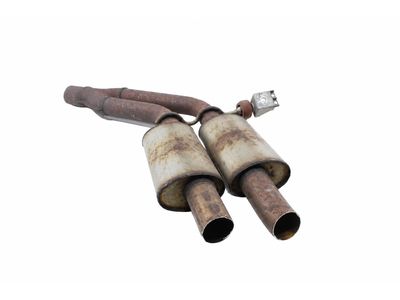
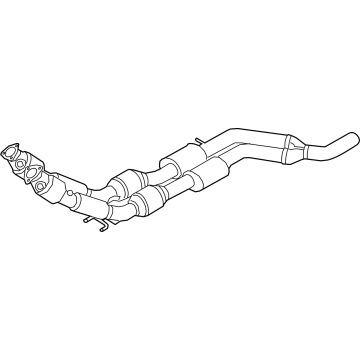
Volkswagen Catalytic Converter Part Number: 3QF-254-500-KX
$997.01 MSRP: $1150.24You Save: $153.23 (14%)Ships in 1-2 Business DaysProduct Specifications- Other Name: Exhaust Pipe; Converter & Pipe
- Replaces: 3QF-253-059-PX, 3QF-254-500-D, 3QF-254-500-DX, 3QF-254-500-MX
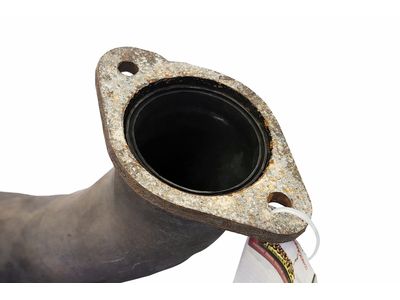
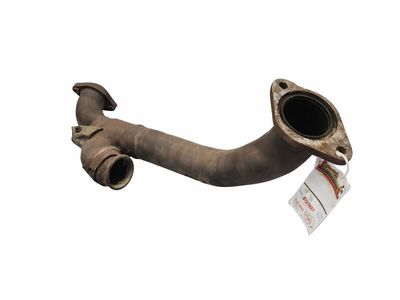
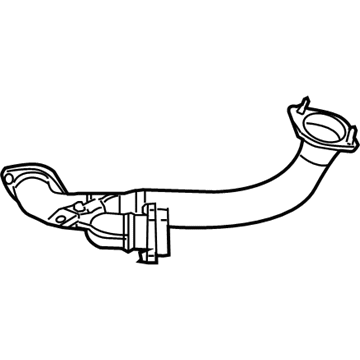
Volkswagen Crossover Pipe Part Number: 7B0-253-201-A
$190.51 MSRP: $266.81You Save: $76.30 (29%)Ships in 1-2 Business DaysProduct Specifications- Other Name: Pipe; Cross Over Pipe
- Replaces: 7B0-253-201
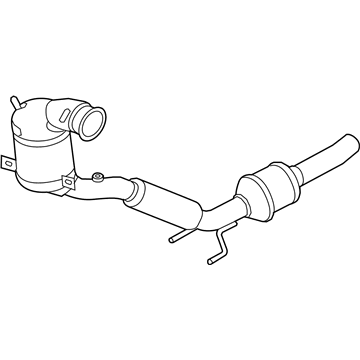
Volkswagen Converter & Pipe Part Number: 5QM-254-501-A
$1750.71 MSRP: $2050.00You Save: $299.29 (15%)Ships in 1-2 Business DaysProduct Specifications- Other Name: Catalytic
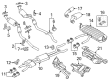
Volkswagen Catalytic Converter Part Number: 7P0-254-301-CX
$2782.14 MSRP: $3240.56You Save: $458.42 (15%)Ships in 1-2 Business DaysProduct Specifications- Other Name: Catalytic; Converter & Pipe
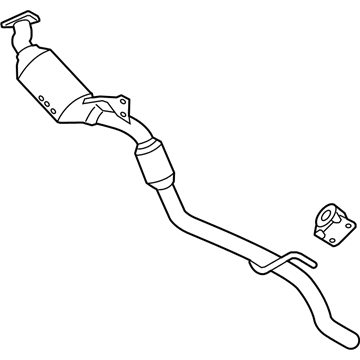
Volkswagen Catalytic Converter Part Number: 7P0-254-301-BX
$2782.14 MSRP: $3240.56You Save: $458.42 (15%)Ships in 1-2 Business DaysProduct Specifications- Other Name: Catalytic; Converter & Pipe
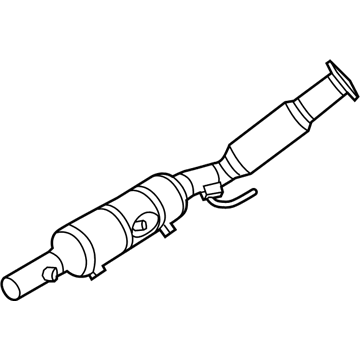
Volkswagen Converter & Pipe Part Number: 5C0-254-500-R
$2467.65 MSRP: $2889.52You Save: $421.87 (15%)Ships in 1-2 Business DaysProduct Specifications- Other Name: Catalytic
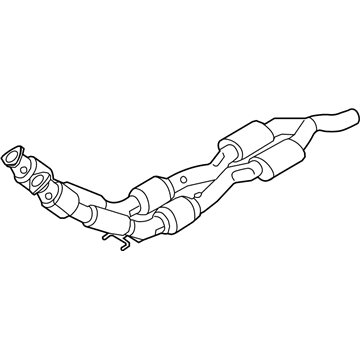
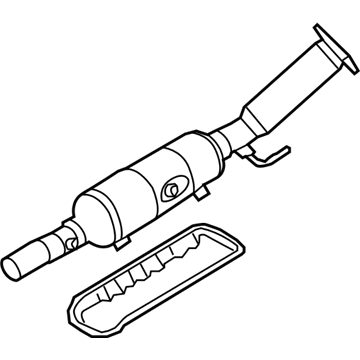
Volkswagen Catalytic Converter Part Number: 3C0-254-504-BX
$2632.72 MSRP: $3082.81You Save: $450.09 (15%)Ships in 1-2 Business DaysProduct Specifications- Other Name: Catalytic; Converter & Pipe
- Replaces: 3C0-254-502-TX, 3C0-254-503-PX
Volkswagen Front Pipe Part Number: 1J0-254-508-R
$2803.33 MSRP: $3282.60You Save: $479.27 (15%)Ships in 1-2 Business DaysProduct Specifications- Other Name: Catalytic; Converter & Pipe
- Position: Front
- Replaces: 1J0-254-507-P, 1J0-254-504-P
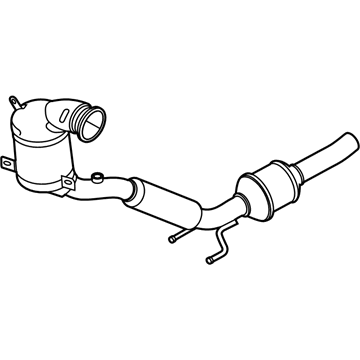
Volkswagen Converter & Pipe Part Number: 5QN-254-500-X
$2323.54 MSRP: $2703.56You Save: $380.02 (15%)Ships in 1-2 Business DaysProduct Specifications- Other Name: Catalytic
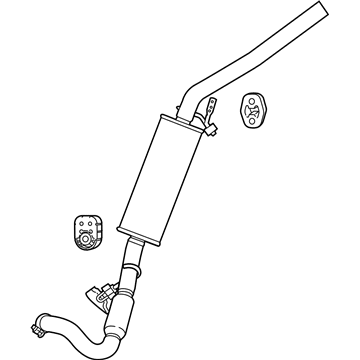
Volkswagen Front Pipe Part Number: 7B0-253-091-J
$608.34 MSRP: $831.07You Save: $222.73 (27%)Ships in 1-2 Business DaysProduct Specifications- Other Name: Exhaust Pipe; Converter & Pipe
- Position: Front
- Replaces: 7B0-253-091-F, 7B0-253-091-H, 7B0-253-091-B, 7B0-253-091-D, 7B0-253-091-E, 7B0-253-091-A, 7B0-253-091-G
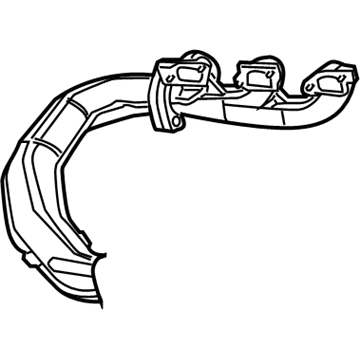
Volkswagen Crossover Pipe Part Number: 7B0-253-301
$614.01 MSRP: $838.81You Save: $224.80 (27%)Ships in 1-2 Business DaysProduct Specifications- Other Name: Pipe; Cross Over Pipe
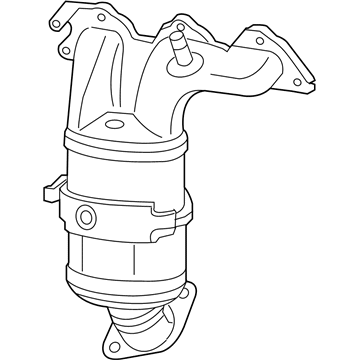
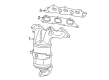
Volkswagen Catalytic Converter Part Number: 7B0-253-019-N
$1788.30 MSRP: $2443.03You Save: $654.73 (27%)Ships in 1-2 Business DaysProduct Specifications- Other Name: Exhaust Manifold; Manifold
- Position: Driver Side
- Replaces: 7B0-253-019-G, 7B0-253-019-E, 7B0-253-019-F, 7B0-253-019-H, 7B0-253-019-M, 7B0-253-019-J, 7B0-253-019-K, 7B0-253-019-L
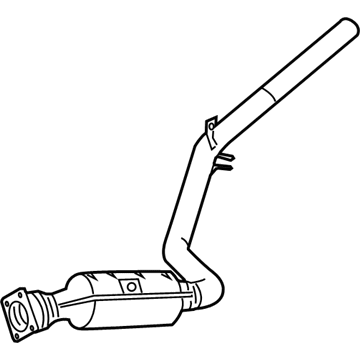
Volkswagen Catalytic Converter Part Number: 7B0-254-502-A
$2372.95 MSRP: $3241.73You Save: $868.78 (27%)Ships in 1-2 Business DaysProduct Specifications- Other Name: Catalytic; Converter & Pipe
- Replaces: 7B0-254-502
Volkswagen Converter & Pipe Part Number: 1J0-254-506-R
$512.40 MSRP: $600.00You Save: $87.60 (15%)Ships in 1-2 Business DaysProduct Specifications- Other Name: Catalytic
- Replaces: 1J0-254-504-R
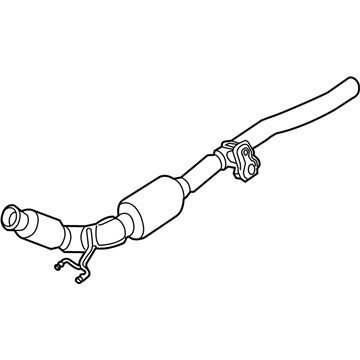
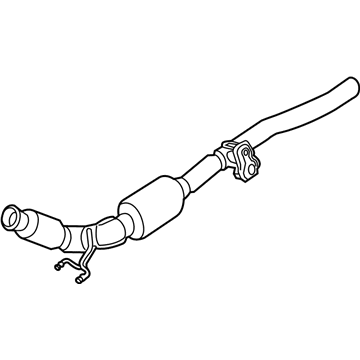
Volkswagen Exhaust Pipe Part Number: 1K0-254-309-C
$578.28 MSRP: $677.14You Save: $98.86 (15%)Product Specifications- Other Name: Catalytic; Converter & Pipe
- Replaces: 1K0-254-308-N
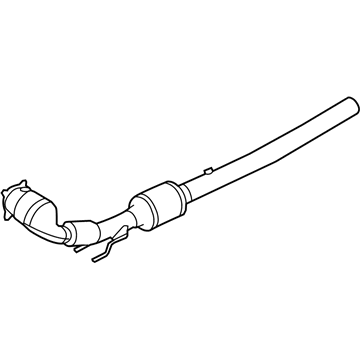
Volkswagen Catalytic Converter Part Number: 1K0-254-308-N
$578.28 MSRP: $677.14You Save: $98.86 (15%)Ships in 1-2 Business DaysProduct Specifications- Other Name: Catalytic
- Replaced by: 1K0-254-309-C
Volkswagen Catalytic Converter Part Number: 3C0-254-505-CX
$597.80 MSRP: $700.00You Save: $102.20 (15%)Ships in 1-2 Business DaysProduct Specifications- Other Name: Catalytic; Converter & Pipe
- Replaces: 3C0-254-504-GX
| Page 1 of 9 |Next >
1-20 of 169 Results
Volkswagen Catalytic Converter
The Volkswagen Catalytic Converter efficiently turns harmful exhaust gases into harmless water vapor and nitrogen, helping every VW stay clean and compliant with strict emissions rules. Founded in 1937 with the dream of building a reliable people's car, VW now offers hatchbacks, vans, SUVs and cutting edge electric models that mix clean lines with rock solid engineering. Drivers appreciate lively TSI turbo engines, direct fuel injection for punchy yet frugal performance, and the flexible MQB platform that keeps costs sensible across the lineup. Inside, a digital cockpit brings crisp graphics, while park assist, head up displays and touchscreen MIB infotainment make daily travel simple for tech savvy teens and adults alike. Future minded projects like the ID.3 and ID.4 show how VW balances tradition with bold electric ambition, proving the brand never stops refining comfort, safety and fun. Just as engines and cabins advance, the Catalytic Converter within a modern vehicle keeps evolving too. Its ceramic honeycomb core coated with platinum, palladium and rhodium triggers a three way reaction that strips carbon monoxide, hydrocarbons and nitrogen oxides from the hot exhaust before it reaches the tailpipe. By reducing pollution without adding noticeable back pressure, this component protects performance, fuel economy and breathable air, giving every owner confidence that their ride respects both driving enjoyment and the environment.
Buying OEM parts is a smart move to keep your long-term repair costs low. These components are built to last because VW uses such strict factory standards. At VWPartsGiant.com, it is easy to find genuine Volkswagen Catalytic Converter at prices that actually beat the competition. You get a real manufacturer's warranty with every single part, so you know your purchase is safe. Plus, forget about return headaches since our policy is easy and worry-free. We ship your order fast, too. If you have questions, our team of parts experts is ready to help. Why wait? Start shopping now!
Volkswagen Catalytic Converter Parts and Q&A
- Q:How to remove the front exhaust pipe and catalytic converter as a single assembly on Volkswagen Jetta?A:The catalytic converter and the front exhaust pipe are between one component. Start by taking off the engine cover. Weakening procedure- Loosen the right-front wheel bolts and then raise the front of the vehicle and place it on jackstands. The second step is to remove the under-vehicle splash shield. Lose the inner fender liner to the right, as needed. The next step is to take out the upstream and downstream oxygen sensors of the catalytic converter. Should you have it, take out the heat shield at the turbo charger. Afterward, remove the fasteners / clamps, which hold the front exhaust pipe with the catalytic converter to a manifold, cylinder head and or turbocharger. Unscrew the support ejaculatory bracket bolts and eliminate the support bracket. Disassemble the connections between the clamps which hold the catalytic converter to the rear exhaust and take out the catalytic converter along with the front exhaust pipe. Get rid of the old flange gasket and clamps. To install, follow the reverse procedure of the removal, and make sure to apply new gaskets and self-locking nuts when securing all the fasteners.
- Q:Should you consult a dealer service department before replacing a catalytic converter due to federally mandated warranty coverage on Volkswagen Passat?A:Since there is a Federally required warranty on the emissions-related parts such as the catalytic converter, it would be prudent to contact a dealer service department before replacing the converter at your own charge. An emission control device installed in the exhaust system to reduce the pollutant level in the exhaust gasses is the catalytic converter in which a three-way catalyst design is used with the coating of platinum and rhodium to minimize the amount of oxides of nitrogen, hydrocarbons, and carbon monoxide in the exhaust gasses. Catalytic converter testing equipment is also expensive and advanced and in case of a suspected malfunction, one should visit a dealer or a certified emissions testing facility and have his diagnosis and repair. When servicing underbody parts, inspection of converter leaks, corrosions, dents and other damages, inspection of welds and flange bolts between converter and exhaust system, and replacement of converter in case of damages. A plugged catalytic converter may be investigated with the help of a vacuum gauge; it is connected at an intake manifold vacuum source and the engine is warmed and the vacuum readings at idle condition and at accelerating engine speed up to 2000 rpm are noted and any significant decrease noted. To replace, ensure that the vehicle is upheld on jackstands, unplug the electrical connections of the oxygen sensor, remove flange bolts that connect the exhaust pipe and exhaust manifold, and hold the exhaust pipe without excessive bending of the flex pipe. Disconnect the catalyst converter with the exhaust system, clean the mounting flanges, and put in place fresh gaskets, taking care not to overload the mountings and having them perfectly aligned and devoid of stress when tightening the clamps during re-installation.
Related Volkswagen Parts
 Volkswagen PCV Valve
 Volkswagen Muffler
 Volkswagen Exhaust Clamp
 Volkswagen EGR Cooler
 Volkswagen Exhaust Hanger
 Volkswagen EGR Tube
 Volkswagen Exhaust Flange Gasket
 Volkswagen Exhaust Heat Shield
 Volkswagen Exhaust Resonator
 Volkswagen Exhaust Tip
 Volkswagen Muffler Strap
 Volkswagen Tail Pipe
Browse by Model
Arteon Catalytic Converter Atlas Catalytic Converter Atlas Cross Sport Catalytic Converter Beetle Catalytic Converter Cabrio Catalytic Converter Cabriolet Catalytic Converter CC Catalytic Converter Eos Catalytic Converter EuroVan Catalytic Converter Fox Catalytic Converter Golf Alltrack Catalytic Converter Golf Catalytic Converter Golf R Catalytic Converter Golf SportWagen Catalytic Converter GTI Catalytic Converter Jetta Catalytic Converter Passat Catalytic Converter Phaeton Catalytic Converter Quantum Catalytic Converter R32 Catalytic Converter Rabbit Catalytic Converter Rabbit Convertible Catalytic Converter Routan Catalytic Converter Scirocco Catalytic Converter Taos Catalytic Converter Tiguan Catalytic Converter Tiguan Limited Catalytic Converter Touareg Catalytic Converter Vanagon Catalytic Converter