×
- Hello
- Login or Register
- Quick Links
- Live Chat
- Track Order
- Parts Availability
- RMA
- Help Center
- Contact Us
- Shop for
- Volkswagen Parts

My Garage
My Account
Cart
Genuine Volkswagen Crankshaft Seal
- Select Vehicle by Model
- Select Vehicle by VIN
Select Vehicle by Model
orMake
Model
Year
Select Vehicle by VIN
For the most accurate results, select vehicle by your VIN (Vehicle Identification Number).
16 Crankshaft Seals found
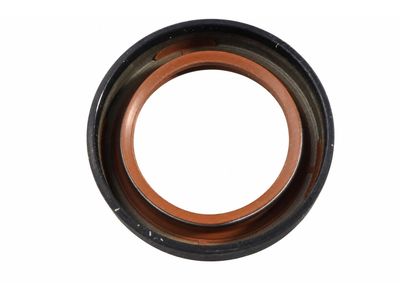
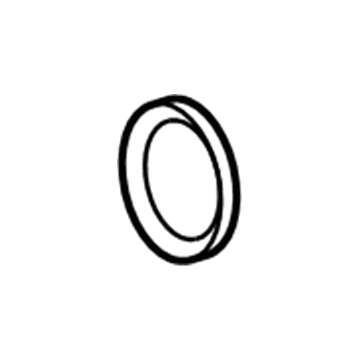
Volkswagen Crank Seal Part Number: 068-103-085-E
$20.12 MSRP: $32.98You Save: $12.86 (39%)Ships in 1-2 Business DaysProduct Specifications- Other Name: Seal; Camshaft Seal, Front Seal
- Replaces: 026-103-085-F, 068-103-085-A, 026-103-085-E
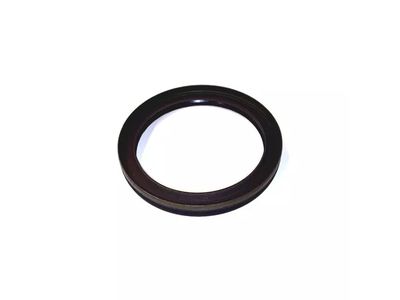
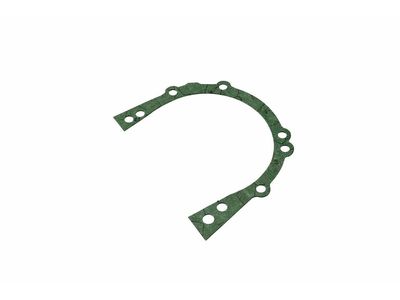
Volkswagen Front Crank Seal Part Number: 070-103-051-A
$68.45 MSRP: $95.87You Save: $27.42 (29%)Ships in 1-2 Business DaysProduct Specifications- Other Name: Seal; Timing Case Seal, Timing Cover Seal
- Position: Front
- Replaces: 078-103-051-A
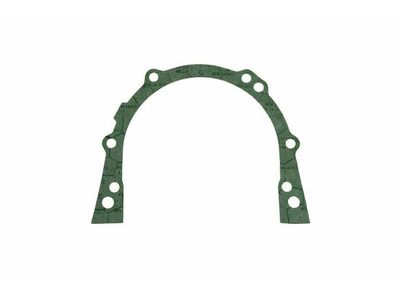
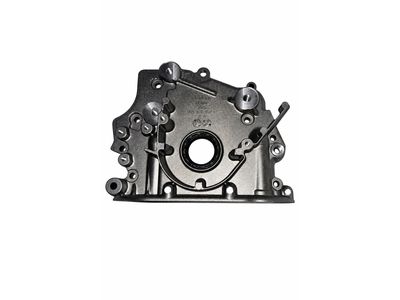
Volkswagen Rear Main Seal Part Number: 026-103-181-B
$9.13 MSRP: $14.95You Save: $5.82 (39%)Ships in 1-2 Business DaysProduct Specifications- Other Name: Gasket
- Position: Rear
- Replaces: 030-103-181
Volkswagen Crank Seal Part Number: 078-103-151-B
$221.28 MSRP: $309.92You Save: $88.64 (29%)Product Specifications- Other Name: Flange
- Replaces: 078-103-151-A
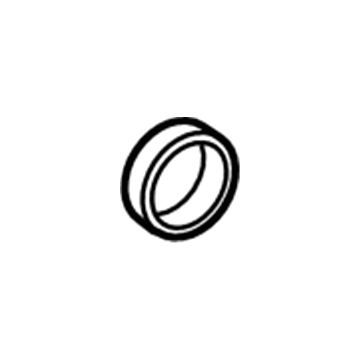
Volkswagen Front Crank Seal Part Number: 022-103-085
$20.96 MSRP: $34.36You Save: $13.40 (39%)Ships in 1-2 Business DaysProduct Specifications- Other Name: Seal; Lower Cover Seal
- Position: Front
Volkswagen Rear Main Seal Part Number: 054-115-147-B
$21.83 MSRP: $35.78You Save: $13.95 (39%)Ships in 1-2 Business DaysProduct Specifications- Other Name: Seal; Front Crank Seal
- Position: Rear
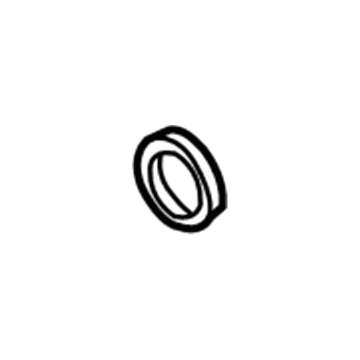
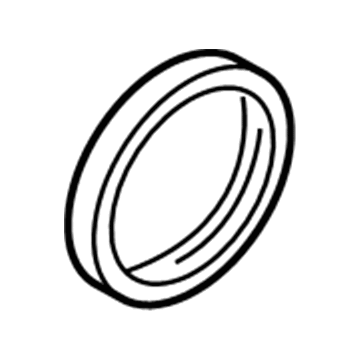
Volkswagen Rear Main Seal Part Number: 079-103-051-F
$63.07 MSRP: $88.33You Save: $25.26 (29%)Ships in 1-2 Business DaysProduct Specifications- Other Name: Seal; Crank Seal
- Position: Rear
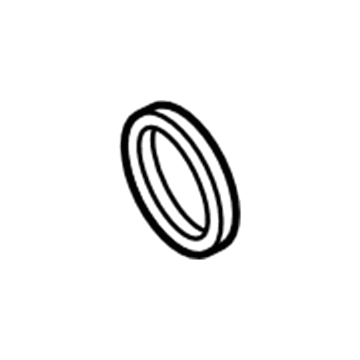
Volkswagen Rear Main Seal Part Number: 021-103-051-C
$126.13 MSRP: $176.65You Save: $50.52 (29%)Ships in 1-2 Business DaysProduct Specifications- Other Name: Seal; Front Cover Seal, Front Crank Seal, Front Seal
- Position: Rear
- Replaces: 021-103-051
Volkswagen Front Crank Seal Part Number: 7B0-103-085-A
$20.73 MSRP: $28.31You Save: $7.58 (27%)Ships in 1-2 Business DaysProduct Specifications- Other Name: Seal; Front Seal
- Position: Front
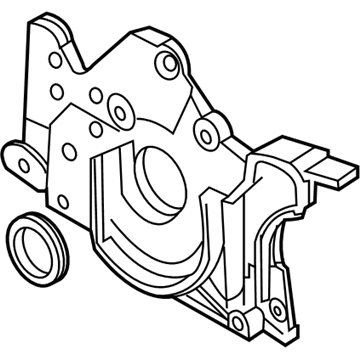
Volkswagen Flange Part Number: 077-103-151-J
$405.04 MSRP: $553.33You Save: $148.29 (27%)Ships in 1-2 Business DaysProduct Specifications- Other Name: Crank Seal

Volkswagen Front Crank Seal Part Number: 04E-103-085-AM
$1.70 MSRP: $2.78You Save: $1.08 (39%)Ships in 1-2 Business DaysProduct Specifications- Other Name: Seal
- Position: Front
Volkswagen Rear Main Seal Part Number: 068-198-171
$128.51 MSRP: $179.98You Save: $51.47 (29%)Ships in 1-2 Business DaysProduct Specifications- Other Name: Repair Kit; Front Cover Seal, Front Crank Seal
- Position: Rear
Volkswagen Front Crank Seal Part Number: 7B0-103-085
$24.34 MSRP: $33.80You Save: $9.46 (28%)Ships in 1-2 Business DaysProduct Specifications- Other Name: Seal
- Position: Front
Volkswagen Seal Ring Part Number: 029-105-245
$20.34 MSRP: $27.78You Save: $7.44 (27%)Product Specifications- Other Name: Washer
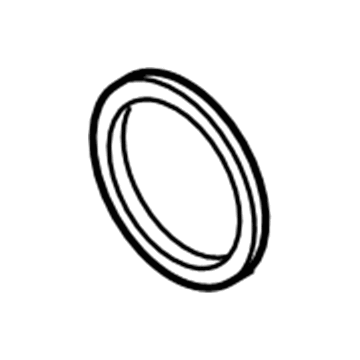
Volkswagen Crank Seal Part Number: 07Z-103-051
Product Specifications- Other Name: Seal; Front Seal
Volkswagen Crank Seal Part Number: 07Z-103-085-A
Product Specifications- Other Name: Seal
Volkswagen Crankshaft Seal
The Volkswagen Crankshaft Seal creates a secure barrier and helps keep engine oil contained in the crankcase to protect moving parts and ensure steady performance. For decades, the brand has been synonymous with intelligent design and practicality, beginning with the first Beetle that provided a family car that was affordable and expanded into a fleet of cars that embody both clean lines and the updated in technology. On modern VW cars, drivers have the pleasure of turbocharged TSI engines, direct fuel injection, digital cockpits, and intuitive MIB infotainment that makes every journey interesting and efficient. The modular MQB platform simplifies production and enables the brand to easily fit everything from compact hatchbacks to roomy SUVs with similar underpinnings, and the electric ID series demonstrates the brand making a big push towards a greener future. This is a very broad approach that shows that VW values innovation that would be of benefit to a broad audience. Just like the vehicles aim to be long-lasting in terms of quality, the Crankshaft Seal does its part by preventing any leakages that can draw out the oil and increase friction and shorten the engine's life. Made from a reinforced blend of metal and flexible rubber, the way the seal grips the spinning crankshaft is precise so that lubricant will stay where it should be, even under heat and vibration. Routine visual inspection for wet residue around the pulley helps owners catch wear early, and quick replacement of a tired Crankshaft Seal keeps the full range of VW engines running smoothly and efficiently mile after mile.
Buying OEM parts is a smart move to keep your long-term repair costs low. These components are built to last because VW uses such strict factory standards. At VWPartsGiant.com, it is easy to find genuine Volkswagen Crankshaft Seal at prices that actually beat the competition. You get a real manufacturer's warranty with every single part, so you know your purchase is safe. Plus, forget about return headaches since our policy is easy and worry-free. We ship your order fast, too. If you have questions, our team of parts experts is ready to help. Why wait? Start shopping now!
Volkswagen Crankshaft Seal Parts and Q&A
- Q:How to replace the crankshaft seal when servicing timing belt for 4-cylinder engines on Volkswagen Jetta?A:The timing belt engines require service, and to start with, remove timing belt and crankshaft sprocket. Record the depth of the seal in the bore and carefully pick it out with a screwdriver or seal removal tool without making a scratch on the housing or damaging the crankshaft. In case, there is no seal removal tool, the seal can be removed using self-tapping screws. Wipe the bore and apply engine oil or multi purpose grease to the outer edge of the new seal including the lip of the seal. A seal driver should be used or a socket with an insignificantly less outside diameter than that of the seal used so that the new seal can be driven in place with a hammer, taking care to install it in place squarely and to the same depth as the previous one. When required, the front oil seal housing may be removed, taking the location of the fasteners. When the oil pan gasket is damaged, one can cut it completely to the level with the cylinder block and cover it with RTV sealant during the cover installation. Before attaching the oil seal housing gasket, making sure that all mating surfaces are clean is important and then apply a 3/16-inch bead of RTV sealant on the oil pan flange and apply. To avoid dry starts, lubricate the oil seal lip and then fix the front cover. Gradually screw the front oil seal housing bolts to the recommended torque and the crankshaft sprocket and timing belt should be reassembled. Lastly, start the engine and look at the front seal to determine whether it is leaking oil. In the case of timing chain engines, you are to take the crankshaft pulley out and repeat the procedure of changing the seals using the right tools and go around the tensioning pin. Install the crankshaft pulley once again.
- Q:How to effectively remove and install the timing belt and crankshaft sprocket while ensuring the front crankshaft seal is properly replaced on Volkswagen Passat?A:The timing belt and sprocket of the crankshaft are removed. Record the depth of the seal sinking in the bore, and then open the front cover, taking care not to scratch the housing bore or the crankshaft itself, since this will cause the new seal to leak. In the case of the lack of a seal removal tool, screw two self-tapping screws into the front seal and use them to loosen it. Wipe the bore in the housing and grease the outer edge of the new seal with engineering oil or multi-purpose grease and grease the seal lip. Install the new seal with a socket of slightly smaller outside diameter to the same depth as the original can be pushed in with a hammer taking care to ensure that the seal is in place and squarely seated; a short length of large diameter pipe also may be employed in case of a lack of a socket. Once installed, look at the seal and make sure that the spring has not sprung out. In case of the need to access other engine parts, loosen the housing mounting bolts and take the housing out of the engine, recording the installed position(s) of the fasteners; one may remove the housing or may not remove the front oil seal, and removing the housing may be simpler than removing the front oil seal. In case the front of the oil pan gasket had been damaged in the process of housing removal, it should be cut off at the front edge of the cylinder block with a razor blade or utility knife because it will be used later to apply RTV sealant when the cover is installed. Be sure the mating surfaces of the cover, cylinder block, and oil pan rail are clean before both cover and oil pan rail are fitted and for this reason, care is taken with the aluminum alloy front cover, cleaning it completely with a hard plastic scraper or a piece of wood. Place a 3/16-inch bead of RTV sealant on the oil pan flange, position the oil seal housing gasket over the dowels on the engine block and apply the oil seal housing, making sure to lubricate the oil seal lip prior to the front cover installation so as not to cause dry starts that can possibly destroy the seal. Installing the crankshaft sprocket and timing belt involves several processes in tightening the front oil seal housing bolts to a given torque. Lastly, start the engine and look at the front seal whether it is leaking with oil or not.
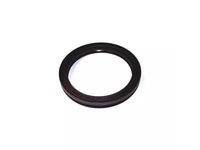
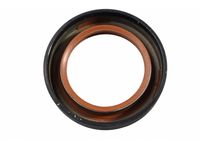
Related Volkswagen Parts
 Volkswagen Oil Filter
 Volkswagen Oil Pump
 Volkswagen Timing Belt Tensioner
 Volkswagen Valve Cover
 Volkswagen Balance Shaft Bearing
 Volkswagen Camshaft Seal
 Volkswagen Oil Filler Cap
 Volkswagen Pushrod
 Volkswagen Timing Cover Gasket
 Volkswagen Transmission Oil Cooler
 Volkswagen Valve Cover Grommet
 Volkswagen Valve Spring
Browse by Model
Atlas Crankshaft Seal Atlas Cross Sport Crankshaft Seal Beetle Crankshaft Seal Cabriolet Crankshaft Seal CC Crankshaft Seal Corrado Crankshaft Seal Eos Crankshaft Seal EuroVan Crankshaft Seal Fox Crankshaft Seal Golf Crankshaft Seal Jetta Crankshaft Seal Passat Crankshaft Seal Phaeton Crankshaft Seal Quantum Crankshaft Seal R32 Crankshaft Seal Rabbit Convertible Crankshaft Seal Rabbit Crankshaft Seal Routan Crankshaft Seal Scirocco Crankshaft Seal Taos Crankshaft Seal Touareg Crankshaft Seal Vanagon Crankshaft Seal