×
- Hello
- Login or Register
- Quick Links
- Live Chat
- Track Order
- Parts Availability
- RMA
- Help Center
- Contact Us
- Shop for
- Volkswagen Parts

My Garage
My Account
Cart
Genuine Volkswagen Rabbit Crankshaft Seal
- Select Vehicle by Model
- Select Vehicle by VIN
Select Vehicle by Model
orMake
Model
Year
Select Vehicle by VIN
For the most accurate results, select vehicle by your VIN (Vehicle Identification Number).
2 Crankshaft Seals found
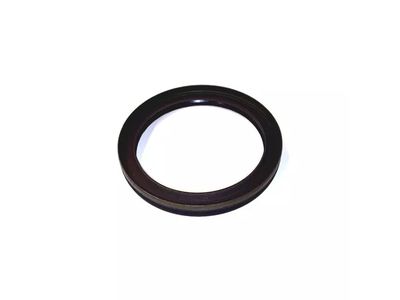
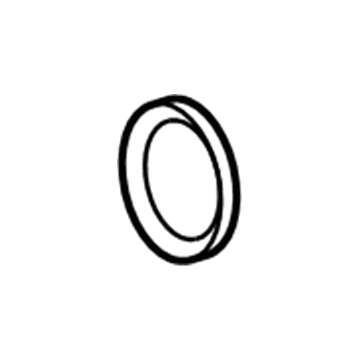
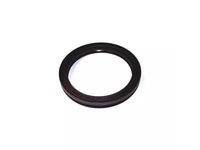
Volkswagen Rabbit Front Crank Seal Part Number: 070-103-051-A
$68.45 MSRP: $95.87You Save: $27.42 (29%)Ships in 1-2 Business Days
Volkswagen Rabbit Rear Main Seal Part Number: 068-198-171
$128.51 MSRP: $179.98You Save: $51.47 (29%)Ships in 1-2 Business Days
Volkswagen Rabbit Crankshaft Seal
Choose OEM Crankshaft Seal for superior quality and long-lasting durability. They match the Volkswagen's factory specifications exactly and pass strict quality control. If you plan to replace Crankshaft Seal on your Rabbit, put OEM at the top of your list. You'll get the right fit, reliable performance, and peace of mind. We stock an extensive inventory of genuine Volkswagen Rabbit parts. It is easy to find what you need. You will love our competitive prices that help you save. No more hassle with returns or guesswork. Every part includes a warranty straight from the manufacturer. Get trusted quality, strong durability, and real value today.
Volkswagen Rabbit Crankshaft Seal Parts and Q&A
- Q:How to replace the front Crankshaft Seal on Volkswagen Rabbit?A:In the case of the BPY engine, one should start by removing a Timing Belt and the sprocket of the crankshaft. Record the depth the seal went into the bore, then with a screwdriver or seal removal tool carefully pry it out being careful not to scratch the housing or damage the crankshaft. In case there is no seal removal tool, self-tapping screw may be utilized in aiding the prying out of the seal. Wipe the bore and grease the outer edge of the new seal with engine oil or multi-purpose grease and grease the seal lip. Insert a seal driver or a socket of slightly less diameter than the outer diameter of the seal into the seal and use a hammer to press the new seal in place and make sure it is installed squarely and to the same depth as before. Where needed, the front oil seal housing can be removed by removing the retaining fasteners, documenting where they were located, and this may facilitate the replacement of the seal. When the oil pan gasket is damaged when removing the housing, cut it along with the cylinder block edge as it will be covered with the RTV sealant. All of the mating surfaces should be a-cleaned before the front cover is installed and the scraper should be used to scrape off any gasket material especially on the aluminum front cover. Complete the oil sealing process by applying a bead of RTV sealant to the flange of the oil pan and then place the oil seal housing gasket over the dowels on the engine block and then put up the housing by lubricating the oil seal lip in advance to avoid dry starts. Slowly screw in the front oil seal housing bolts up to the recommended torque, and put the crankshaft sprocket and timing belt back together. Lastly, start the engine and test it by checking oil leakages at the front seal. CCTA and CBFA engines In the case of the CCTA and CBFA engines, the crankshaft pulley will be removed and the replacement of the seal will proceed in the same manner with the crankshaft pulley removed before replacing it.
Related Volkswagen Rabbit Parts
 Volkswagen Rabbit Belt Tensioner
 Volkswagen Rabbit Crankshaft Gear
 Volkswagen Rabbit Crankshaft Pulley
 Volkswagen Rabbit Crankshaft Thrust Washer
 Volkswagen Rabbit Engine Mount
 Volkswagen Rabbit Oil Filter Housing
 Volkswagen Rabbit Oil Pan Gasket
 Volkswagen Rabbit Spool Valve
 Volkswagen Rabbit Timing Cover Gasket
 Volkswagen Rabbit Valve Cover
 Volkswagen Rabbit Valve Cover Gasket
 Volkswagen Rabbit Variable Timing Sprocket