×
- Hello
- Login or Register
- Quick Links
- Live Chat
- Track Order
- Parts Availability
- RMA
- Help Center
- Contact Us
- Shop for
- Volkswagen Parts

My Garage
My Account
Cart
Genuine Volkswagen CV Joint Boot
Constant-Velocity Joint Boot- Select Vehicle by Model
- Select Vehicle by VIN
Select Vehicle by Model
orMake
Model
Year
Select Vehicle by VIN
For the most accurate results, select vehicle by your VIN (Vehicle Identification Number).
122 CV Joint Boots found
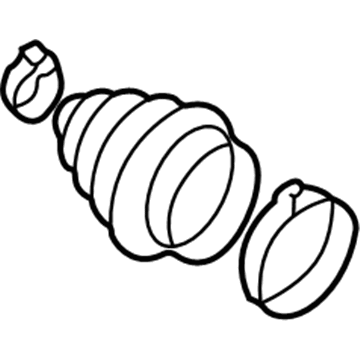
Volkswagen Outer Boot Part Number: 191-498-203
$24.48 MSRP: $40.80You Save: $16.32 (40%)Ships in 1-2 Business DaysProduct Specifications- Other Name: Boot
- Position: Outer
- Replaced by: 321-498-203-A
Volkswagen Boots Part Number: 321-498-203-A
$24.48 MSRP: $40.80You Save: $16.32 (40%)Ships in 1-2 Business DaysProduct Specifications- Other Name: Boot; Boot Kit, Outer Boot
- Replaces: 191-498-203
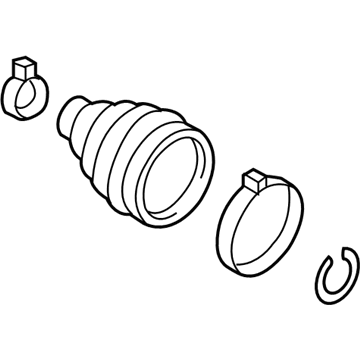
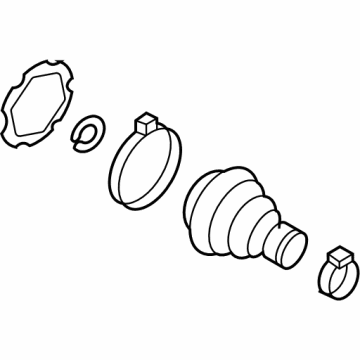
Volkswagen Outer Boot Part Number: 1K0-498-203-C
$26.16 MSRP: $43.60You Save: $17.44 (40%)Ships in 1-2 Business DaysProduct Specifications- Other Name: Boot
- Position: Outer
Volkswagen Inner Boot Part Number: 3QF-598-201-B
$8.42 MSRP: $13.80You Save: $5.38 (39%)Ships in 1-2 Business DaysProduct Specifications- Other Name: Boot
- Position: Inner
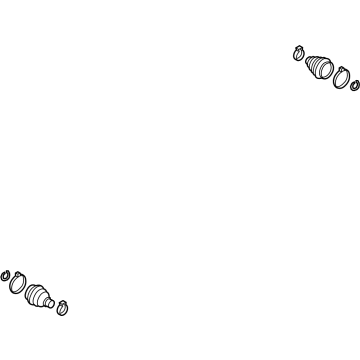
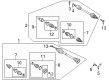
Volkswagen Outer Boot Part Number: 5N0-498-203
$27.00 MSRP: $45.00You Save: $18.00 (40%)Ships in 1-2 Business DaysProduct Specifications- Other Name: Boot; Outer Joint Assembly
- Position: Outer
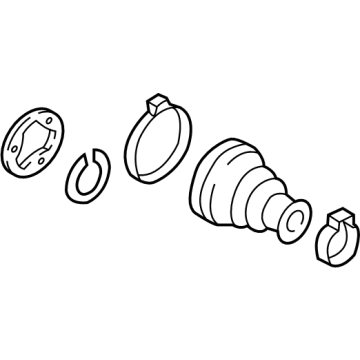
Volkswagen Inner Boot Part Number: 1KM-498-201-D
$19.02 MSRP: $31.18You Save: $12.16 (39%)Ships in 1-2 Business DaysProduct Specifications- Other Name: Boot
- Position: Inner
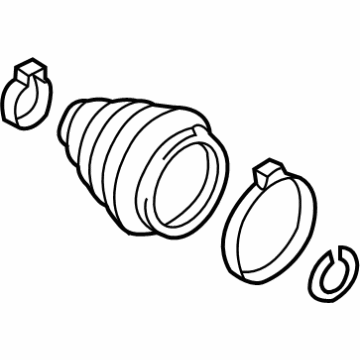
Volkswagen Outer Boot Part Number: 5QM-498-203
$28.56 MSRP: $47.60You Save: $19.04 (40%)Ships in 1-2 Business DaysProduct Specifications- Other Name: Boot
- Position: Outer
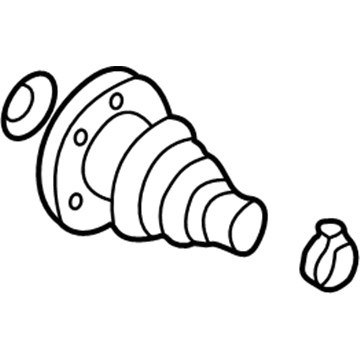
Volkswagen Boots Part Number: 321-498-201-E
$30.12 MSRP: $50.20You Save: $20.08 (40%)Product Specifications- Other Name: Boot; Boot Kit
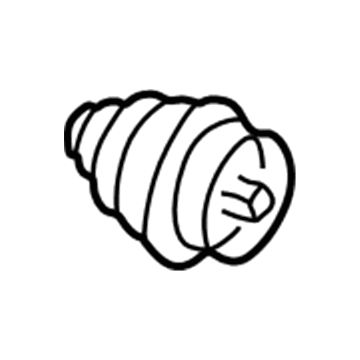
Volkswagen Boot Kit Part Number: 1H0-498-203-A
$30.41 MSRP: $50.68You Save: $20.27 (40%)Ships in 1-2 Business DaysProduct Specifications- Other Name: Boot; Outer Boot
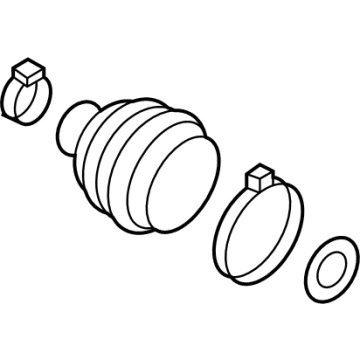
Volkswagen Boots Part Number: 191-498-201-D
$33.00 MSRP: $55.00You Save: $22.00 (40%)Ships in 1-2 Business DaysProduct Specifications- Other Name: Boot; Boot Kit, Inner Boot
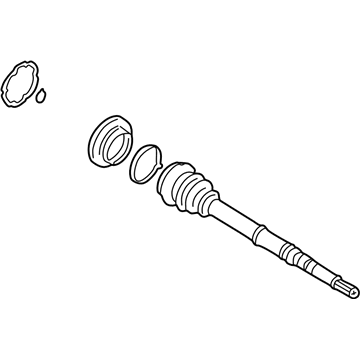
Volkswagen Outer Boot Part Number: 3QF-598-203-A
$40.43 MSRP: $56.15You Save: $15.72 (28%)Ships in 1-2 Business DaysProduct Specifications- Other Name: Boot
- Position: Outer
Volkswagen Inner Boot Part Number: 8D0-498-201
$34.20 MSRP: $57.00You Save: $22.80 (40%)Ships in 1-2 Business DaysProduct Specifications- Other Name: Boot
- Position: Inner
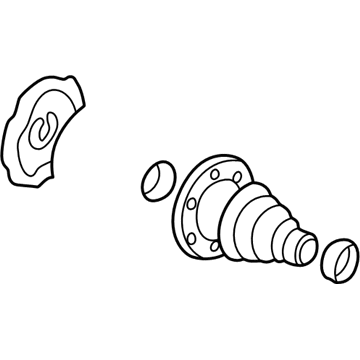
Volkswagen Boot Kit Part Number: 357-498-202
$34.61 MSRP: $57.68You Save: $23.07 (40%)Ships in 1-2 Business DaysProduct Specifications- Other Name: Boot; Inner Boot
- Position: Passenger Side
Volkswagen Outer Boot Part Number: 191-498-203-C
$35.03 MSRP: $58.38You Save: $23.35 (40%)Ships in 1-2 Business DaysProduct Specifications- Other Name: Boot
- Position: Outer
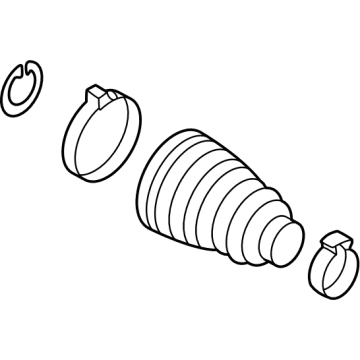
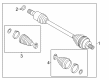
Volkswagen Inner CV Joint Boot Part Number: 1EA-598-201
$42.47 MSRP: $58.98You Save: $16.51 (28%)Ships in 1-2 Business DaysProduct Specifications- Other Name: Boot
- Position: Inner
- Replaced by: 1EA-598-201-A
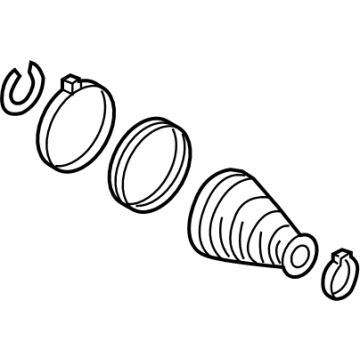
Volkswagen Inner Boot Part Number: 1EK-498-201
$42.47 MSRP: $58.98You Save: $16.51 (28%)Ships in 1-2 Business DaysProduct Specifications- Other Name: Boot; Inner CV Joint Boot
- Position: Inner
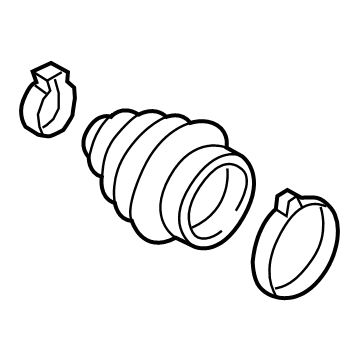
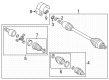
Volkswagen Outer Boot Part Number: 3QF-498-203-B
$42.71 MSRP: $59.32You Save: $16.61 (28%)Ships in 1-2 Business DaysProduct Specifications- Other Name: Boot
- Position: Outer
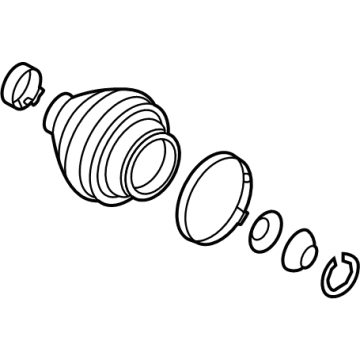
Volkswagen Outer CV Joint Boot Part Number: 5QM-498-203-D
$42.71 MSRP: $59.32You Save: $16.61 (28%)Ships in 1-2 Business DaysProduct Specifications- Other Name: Boot; Outer Boot
- Position: Outer
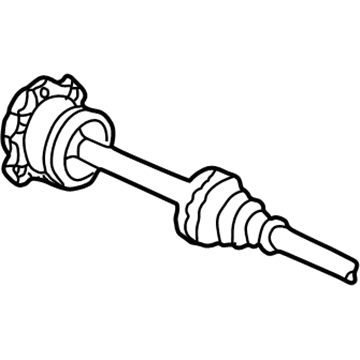
Volkswagen Inner Boot Part Number: 1K0-498-201
$35.88 MSRP: $59.80You Save: $23.92 (40%)Ships in 1-2 Business DaysProduct Specifications- Other Name: Boot; Inner CV Joint Boot
- Position: Inner
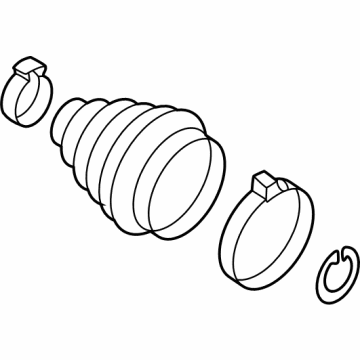
Volkswagen Outer CV Joint Boot Part Number: 1EA-598-203-A
$8.48 MSRP: $13.90You Save: $5.42 (39%)Ships in 1-2 Business DaysProduct Specifications- Other Name: Boot; Outer Boot
- Position: Outer
| Page 1 of 7 |Next >
1-20 of 122 Results
Volkswagen CV Joint Boot
Volkswagen CV Joint Boot protects the constant velocity joint and keeps the grease in and the grit out so the power flows to the wheels with lasting smoothness, a small part to protect the big promise of every VW. The boot flexes with suspension and steering movement, its tough rubber or thermoplastic walls can be bent like an accordion as the halfshafts spin, while a second CV Joint Boot is located on the opposite end of the axle to provide the same kind of sealed protection against clicking, vibration, and costly joint wear across the entire lineup. The brand built its reputation on practical ideas that became icons, from the original people car Beetle to the adventurous Type 2 van and today's sleek ID electric series. Each model is a mix of clean design, TSI turbo engines, direct fuel injection, digital cockpits, and available park assist, all of course sitting on the smart MQB architecture that lowers weight and boosts efficiency. Drivers choose VW because the brand is a combination of fun handling and everyday reliability, enhanced by thoughtful parts such as the boot that protect drivetrain precision. As the brand looks to the future with MIB infotainment and head-up displays, it is still relying on proven engineering details to hold it all together, demonstrating the importance of paying attention to a humble joint cover in maintaining confident acceleration in any VW whether classic, turbocharged, or electric.
Buying OEM parts is a smart move to keep your long-term repair costs low. These components are built to last because VW uses such strict factory standards. At VWPartsGiant.com, it is easy to find genuine Volkswagen CV Joint Boot at prices that actually beat the competition. You get a real manufacturer's warranty with every single part, so you know your purchase is safe. Plus, forget about return headaches since our policy is easy and worry-free. We ship your order fast, too. If you have questions, our team of parts experts is ready to help. Why wait? Start shopping now!
Volkswagen CV Joint Boot Parts and Q&A
- Q: How often should the CV Joint Boot be checked periodically on Volkswagen Jetta?A:The steering linkage and all the suspension components ought to be periodically viewed because old and damaged parts might cause overuse of tires, low quality of ride, poor handling of the vehicle and low fuel economy. Here we start by parking the car on flat surface, dispensing the engine and engaging the parking brake followed by checking the tire pressure. Press on one side of the vehicle and push it off and watch the body move, it ought to cease after one or two bounces. In case it keeps moving or does not go to its starting position, then there is a possibility that there is a worn out or weak shock absorber. Check this at the other corners. Lift the vehicle using jackstands and check the shock absorbers to see whether there is fluid leakage and the fluid is that of the shocks. In case leakages are detected, change the shocks as a set. Ensure that the shocks are properly mounted and are not damaged, examine the upper mounts to ensure they are not worn or damaged and replace them when required. Physically examine the steering and suspension parts to see evidence of damage, searching out problems with seals, boots, bushings and leaks. Clean the lower part of the steering knuckle and have someone roll the wheel in and out and ensure that there is no movement at the steering knuckle-to-control arm ball joint, any movement would signify that the suspension ball joint(s) should be replaced. Check the edges of each front tire and observe any play of the steering system parts, should there be any, examine the steering gear mounts and tie rod ends and see whether they are loose. Finally, examine the driveaxle boots which cover the Constant Velocity (CV) joints against dirt and wear and tear, any sign of a crack or a lubricating fluid leak requires replacement.
- Q: How often should the CV Joint Boot be checked to prevent excessive tire wear and handling issues on Volkswagen Passat?A:The steering linkage and suspension parts must be maintained in a periodical, worn and damaged components may cause excessive tires, poor ride quality, handling and low fuel economy. To test the shock absorbers, one needs to park the car on a smooth surface, switch off the engine, and park the brake and then inspect the tire pressures. Press on one corner of the vehicle and release it, it should stop in one or two bounces and it will resume a level position but in case it does not stop or bounces back and forth, then the shock absorber will be worn. Do the same at the other corners then lift the vehicle safely on jackstands. Check the shock absorbers against water, and make sure that any water that is present is as a result of the shocks, and that the set should be replaced, in case of water leaks. Perform a check on secure mounting and damage and replace it as a set in case of any problems detected. To do the steering and suspension check, visually examine the components in terms of damage, distortion, and leakages, especially in seals, boots, and bushings. Wipe the bottom of the steering knuckle and have one person push the tire in and out and make sure there is no movement at the balljoint, any movement means it must be replaced. Check play in the steering system components by grabbing each front tire, and having a look at gear mounts and tie-rod ends to see whether they are loose or not. Driveaxle boots play a very important role in ensuring that dirt and water do not affect the CV joints hence they should be washed using soaps and water to avoid early wearing. Check the boots often on the presence of tears, cracks, and loose clamps and replace them in case of any concerns.
Related Volkswagen Parts
 Volkswagen A/C Compressor
 Volkswagen Door Lock Actuator
 Volkswagen Exhaust Hanger
 Volkswagen Oil Pressure Switch
 Volkswagen Valve Cover
 Volkswagen Washer Pump
 Volkswagen Valve Cover Gasket
 Volkswagen Brake Shoe Set
 Volkswagen Crankshaft Seal
 Volkswagen Hood Hinge
 Volkswagen Idler Pulley
 Volkswagen Parking Brake Cable
Browse by Model
Arteon CV Joint Boot Atlas Cross Sport CV Joint Boot Atlas CV Joint Boot Beetle CV Joint Boot Cabrio CV Joint Boot Cabriolet CV Joint Boot CC CV Joint Boot Corrado CV Joint Boot e-Golf CV Joint Boot Eos CV Joint Boot EuroVan CV Joint Boot Fox CV Joint Boot Golf Alltrack CV Joint Boot Golf CV Joint Boot Golf R CV Joint Boot Golf SportWagen CV Joint Boot GTI CV Joint Boot ID.4 CV Joint Boot Jetta CV Joint Boot Passat CV Joint Boot Phaeton CV Joint Boot Quantum CV Joint Boot R32 CV Joint Boot Rabbit Convertible CV Joint Boot Rabbit CV Joint Boot Routan CV Joint Boot Scirocco CV Joint Boot Taos CV Joint Boot Tiguan CV Joint Boot Tiguan Limited CV Joint Boot Touareg CV Joint Boot Vanagon CV Joint Boot