×
- Hello
- Login or Register
- Quick Links
- Live Chat
- Track Order
- Parts Availability
- RMA
- Help Center
- Contact Us
- Shop for
- Volkswagen Parts

My Garage
My Account
Cart
Genuine Volkswagen Fuse Box
Fuse Holder Box- Select Vehicle by Model
- Select Vehicle by VIN
Select Vehicle by Model
orMake
Model
Year
Select Vehicle by VIN
For the most accurate results, select vehicle by your VIN (Vehicle Identification Number).
50 Fuse Boxes found
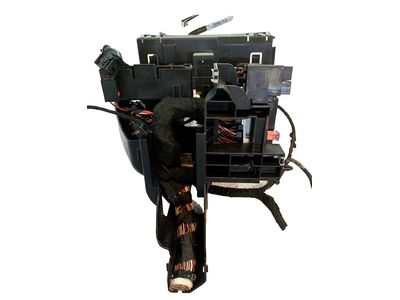
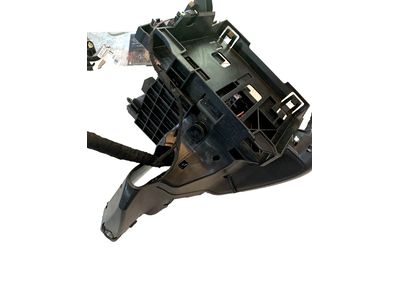
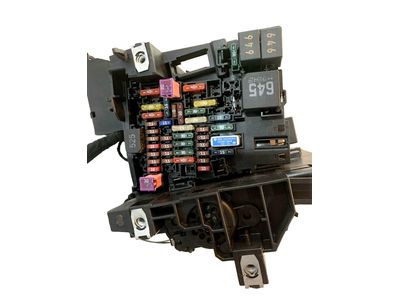
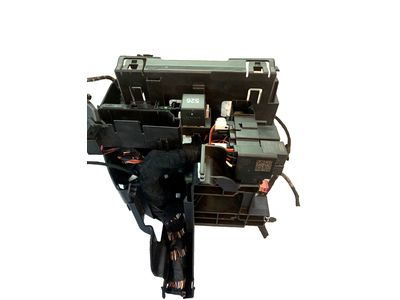
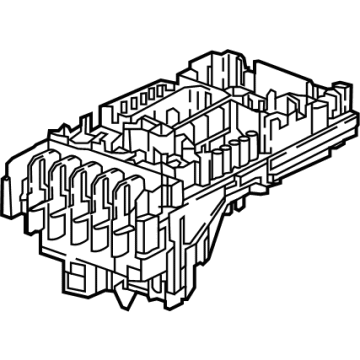
Volkswagen Fuse & Relay Box Part Number: 5Q0-937-125-B
$262.29 MSRP: $358.31You Save: $96.02 (27%)Ships in 1-2 Business DaysProduct Specifications- Other Name: E Box; Relay & Fuse Plate
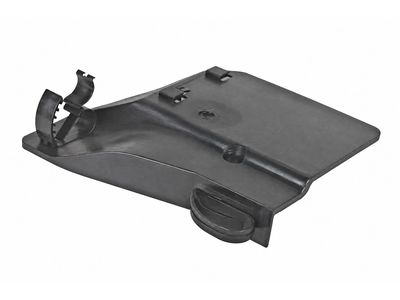
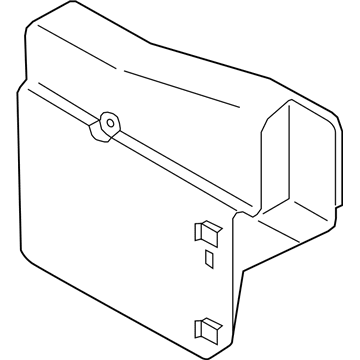
Volkswagen Fuse Box Part Number: 1H1-971-821
$27.00 MSRP: $45.00You Save: $18.00 (40%)Product Specifications- Other Name: Plate
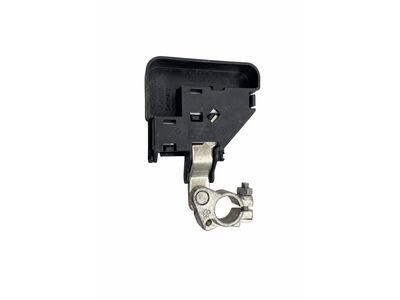
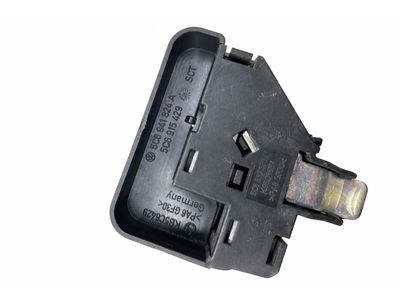
Volkswagen Fuse Box Part Number: 5C6-941-824-A
$19.14 MSRP: $31.38You Save: $12.24 (40%)Ships in 1-2 Business Days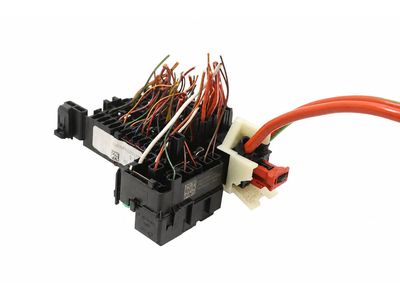
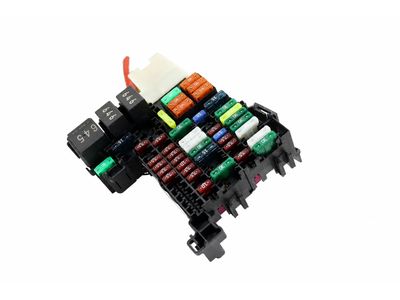
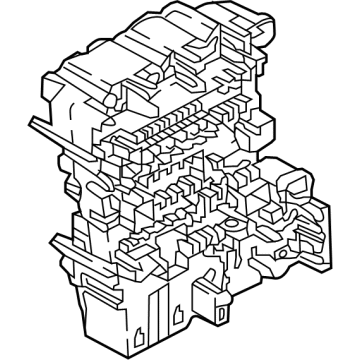
Volkswagen Junction Block Part Number: 5WA-937-615
$15.91 MSRP: $26.08You Save: $10.17 (39%)Ships in 1-2 Business DaysProduct Specifications- Other Name: Plate; Relay & Fuse Plate
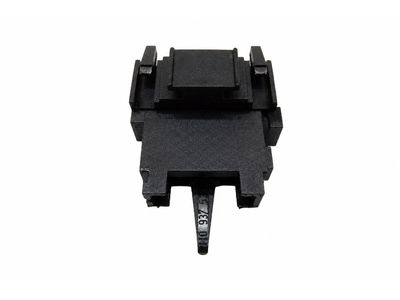
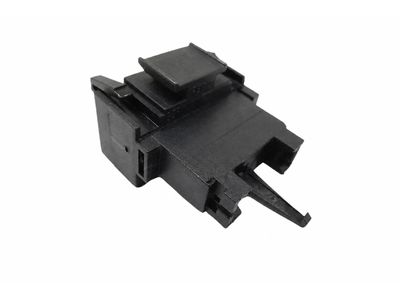

Volkswagen Fuse Box Part Number: 1H0-937-530
$13.04 MSRP: $21.37You Save: $8.33 (39%)Ships in 1-2 Business DaysProduct Specifications- Replaces: 161-937-501
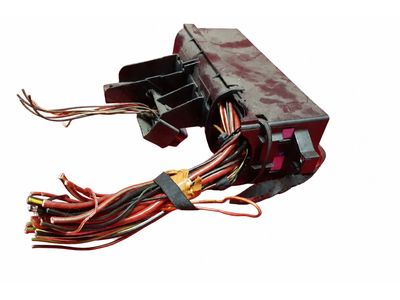
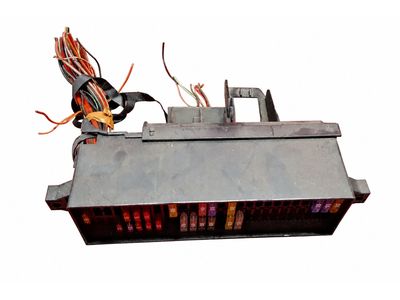
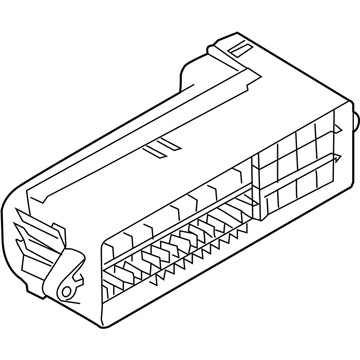
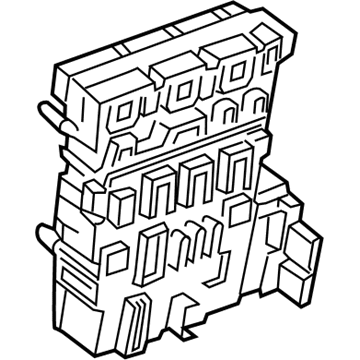
Volkswagen Fuse Box Part Number: 1T1-937-615-B
$70.20 MSRP: $98.31You Save: $28.11 (29%)Ships in 1-2 Business DaysProduct Specifications- Other Name: Holder
Volkswagen Fuse Holder Part Number: 5Q0-937-615-C
$223.71 MSRP: $313.32You Save: $89.61 (29%)Ships in 1-2 Business DaysProduct Specifications- Other Name: Holder; Relay & Fuse Plate, Relay Plate
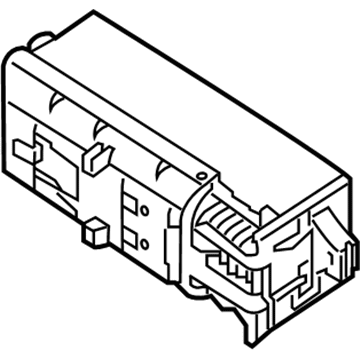
Volkswagen Fuse Box Part Number: 000-937-615
$223.71 MSRP: $313.31You Save: $89.60 (29%)Ships in 1-2 Business DaysProduct Specifications- Other Name: Holder; Fuse Box Main, Fuse Holder
- Replaces: 6R0-937-615, 6R0-937-615-A
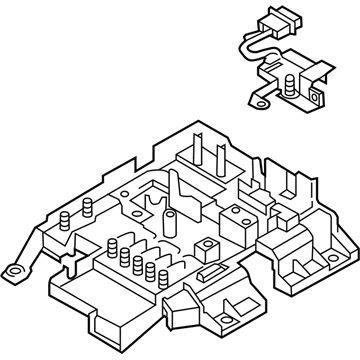
Volkswagen Fuse Box Part Number: 7P0-937-548-F
$433.09 MSRP: $591.65You Save: $158.56 (27%)Ships in 1-2 Business Days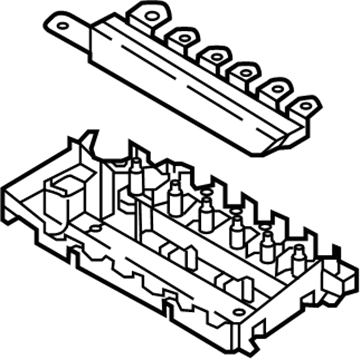
Volkswagen Fuse Box Part Number: 30G-937-548
$30.11 MSRP: $50.19You Save: $20.08 (41%)Ships in 1-2 Business Days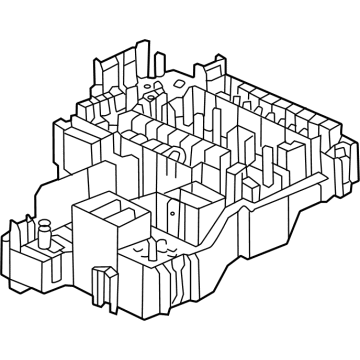
Volkswagen Relay & Fuse Plate Part Number: 5WA-937-125-E
$34.55 MSRP: $57.58You Save: $23.03 (40%)Ships in 1-2 Business DaysProduct Specifications- Other Name: E Box
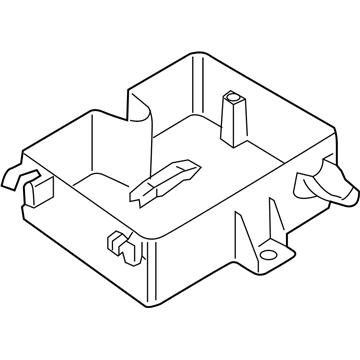
Volkswagen Fuse Box Part Number: 3D0-937-619-P
$22.31 MSRP: $36.59You Save: $14.28 (40%)Ships in 1-2 Business Days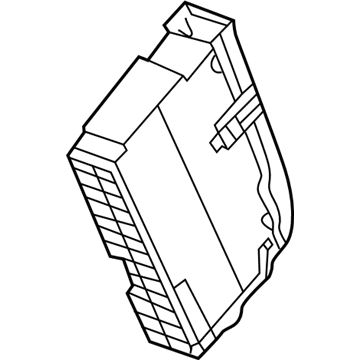
Volkswagen Fuse Holder Part Number: 8K0-941-824
$10.31 MSRP: $16.90You Save: $6.59 (39%)Ships in 1-2 Business DaysProduct Specifications- Other Name: Holder
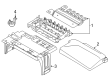
Volkswagen Fuse Box Part Number: 1N3-937-548
$70.21 MSRP: $98.34You Save: $28.13 (29%)Ships in 1-2 Business DaysProduct Specifications- Other Name: Fuse & Relay Box
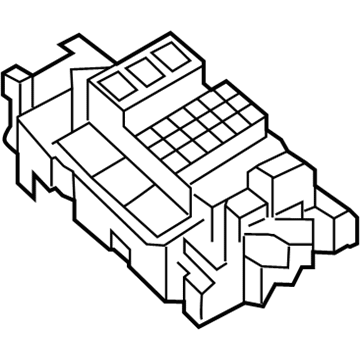
Volkswagen Fuse & Relay Box Part Number: 5C0-937-125-A
$49.91 MSRP: $69.33You Save: $19.42 (29%)Ships in 1-2 Business DaysProduct Specifications- Other Name: Plate
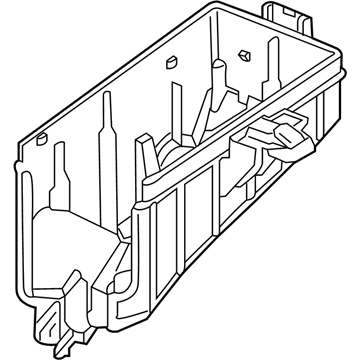
Volkswagen Housing Part Number: 5Q0-907-361-G
$58.43 MSRP: $81.16You Save: $22.73 (29%)Ships in 1-2 Business DaysProduct Specifications- Other Name: Fuse & Relay Box
- Replaces: 5Q0-907-361-C
Volkswagen Housing Part Number: 5Q0-907-361-D
$58.43 MSRP: $81.16You Save: $22.73 (29%)Ships in 1-2 Business DaysProduct Specifications- Other Name: Fuse & Relay Box
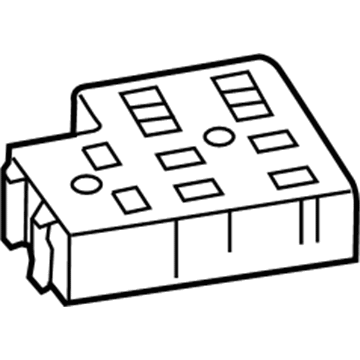
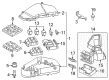
Volkswagen Relay Plate Part Number: 7L0-937-503
$69.01 MSRP: $96.65You Save: $27.64 (29%)Ships in 1-2 Business DaysProduct Specifications- Other Name: Plate; Relay & Fuse Plate
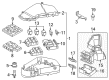
Volkswagen Relay Plate Part Number: 7L0-937-503-A
$70.20 MSRP: $98.31You Save: $28.11 (29%)Ships in 1-2 Business DaysProduct Specifications- Other Name: Plate; Relay & Fuse Plate
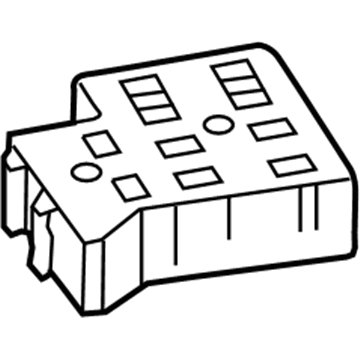
Volkswagen Relay Plate Part Number: 7L0-937-503-D
$72.58 MSRP: $101.66You Save: $29.08 (29%)Ships in 1-2 Business DaysProduct Specifications- Other Name: Plate; Relay & Fuse Plate
| Page 1 of 3 |Next >
1-20 of 50 Results
Volkswagen Fuse Box
The Volkswagen Fuse Box is designed to immediately shut off electricity in the event of an overload to protect the wiring and electronics from damage but allows drivers to turn the systems back on again in a matter of seconds. Since 1937, the brand has set its sights on providing people with reliable mobility and this vision gave birth to icons such as the Beetle and versatile Type 2 van. Today the brand combines TSI turbo engines with direct injection for spirited and efficient driving, uses the modular MQB platform to ensure high build quality and features digital cockpits, park assist and MIB infotainment to make daily driving simple for drivers of all ages. As VW embarks on their journey into the electric age with vehicles like the ID.3 and ID.4, each vehicle has the same clean design language and rock-solid engineering that have characterized VW for decades, giving owners the confidence to take them on every journey. Within that lineup, the Fuse Box is a universal guardian for the entire electrical network, containing clearly labeled fuses and resettable circuit breakers that isolate the faults before they spread. By installing this small module under the dashboard or near the battery, VW has made sure that access to it is fast, and even a rookie can identify a blown fuse and replace it without any special tools. Modern versions include ignition off draw positions to prevent drain of the battery during long storage, providing another layer of convenience and safety to every driver.
Buying OEM parts is a smart move to keep your long-term repair costs low. These components are built to last because VW uses such strict factory standards. At VWPartsGiant.com, it is easy to find genuine Volkswagen Fuse Box at prices that actually beat the competition. You get a real manufacturer's warranty with every single part, so you know your purchase is safe. Plus, forget about return headaches since our policy is easy and worry-free. We ship your order fast, too. If you have questions, our team of parts experts is ready to help. Why wait? Start shopping now!
Volkswagen Fuse Box Parts and Q&A
- Q:How does a Fuse Box safeguard the electrical circuits and what should be considered when replacing fuses on Volkswagen Jetta?A:A combination of fuses, circuit breakers, and fusible links protect the vehicle electrical circuits, with the main fuse/relay panel being in the right-front of the engine compartment and the interior fuse/relay panel being at the left end of the instrument panel under a cover. Several different sizes of fuses are used, such as small, medium, and large, with the same design of the blade terminal, where medium and large fuses can be removed by hand but small fuses would need pliers or a fuse-puller tool of plastic. In case an electrical component fails, it is necessary to verify the fuse first with a test light to check power at the terminal ends, a broken fuse may be visibly identified by the fact that the element between the terminals is melting. It is essential to ensure that blown fuses are replaced with the appropriate type of fuse since fuses with varying ratings though may physically fit in the right fuse, are not recommended because of the particular protection requirement of any circuit. When a replacement fuse blows instantly, the cause of this problem, usually a short circuit caused by damaged wiring, should be solved before additional replacements. At least one system has switched to non- replaceable internal fuse systems or computer controlled amperage analysis where the computer will shut down the system in case the amperage goes above safe levels until the next key cycle. The use of high amperage circuits, as are found in the underhood fuse/relay box, should be carefully replaced with the same kind of fuse, and problems reoccurring on these circuits ought to be troubleshot prior to a replacement being made.
- Q:How does a Fuse Box safeguard the electrical circuits and what should be considered when replacing fuses on Volkswagen Passat?A:Several types of fuses, circuit breakers, and fusible links are used to provide protection to the electrical circuits of the vehicle, and the fuse panel inside the instrument panel is positioned at the left end of the instrument panel and the main fuse/relay panel is located immediately below it. A fuse is supposed to protect a given circuit which is indicated on the fuse panel. Fuses used in the fuse blocks come in different sizes, small, medium and large with identical blade terminals design, and five fuses that are referred to as metal that are located in the engine compartment fuse panel. Medium and large fuses may be pulled out, but small ones must be pulled out with pliers or a plastic fuse-puller device. The metal fuses are to take heavy loads and in case the metal strip melts because of overloading, it is easily noticeable but during replacement; one is expected to disconnect the battery. In the event of the failure of an electrical component, it is good to first, check the fuse and the most important option is to utilize a test light to see whether there is power at the exposed terminal ends of each fuse, and this can also be achieved by visual inspection. It is also essential that blown fuses are not replaced by incorrect type because fuses of various ratings might be physically compatible but should not be used interchangeably in order to obtain adequate protection. In case a replacement fuse blows instantly, it is not to be replaced once again before the cause of the problem which may also be a short circuit caused by a broken or worn out wire is eliminated.
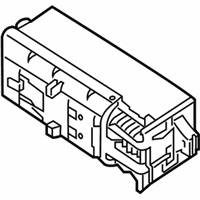
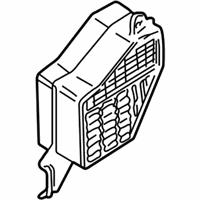
Related Volkswagen Parts
 Volkswagen Coolant Temperature Sensor
 Volkswagen Camshaft Position Sensor
 Volkswagen Crankshaft Position Sensor
 Volkswagen Flasher Relay
 Volkswagen Fuse
 Volkswagen Starter Relay
 Volkswagen ABS Relay
 Volkswagen Back up Alarm
 Volkswagen Body Control Module
 Volkswagen Cruise Control Module
 Volkswagen Horn Relay
 Volkswagen Parking Assist Sensor
Browse by Model
Arteon Fuse Box Atlas Cross Sport Fuse Box Atlas Fuse Box Beetle Fuse Box Cabrio Fuse Box CC Fuse Box Corrado Fuse Box e-Golf Fuse Box Eos Fuse Box Golf Alltrack Fuse Box Golf Fuse Box Golf R Fuse Box Golf SportWagen Fuse Box GTI Fuse Box ID. Buzz Fuse Box ID.4 Fuse Box Jetta Fuse Box Passat Fuse Box Phaeton Fuse Box R32 Fuse Box Rabbit Fuse Box Taos Fuse Box Tiguan Fuse Box Tiguan Limited Fuse Box Touareg Fuse Box