×
- Hello
- Login or Register
- Quick Links
- Live Chat
- Track Order
- Parts Availability
- RMA
- Help Center
- Contact Us
- Shop for
- Volkswagen Parts

My Garage
My Account
Cart
Genuine Volkswagen Brake Caliper
Caliper- Select Vehicle by Model
- Select Vehicle by VIN
Select Vehicle by Model
orMake
Model
Year
Select Vehicle by VIN
For the most accurate results, select vehicle by your VIN (Vehicle Identification Number).
178 Brake Calipers found
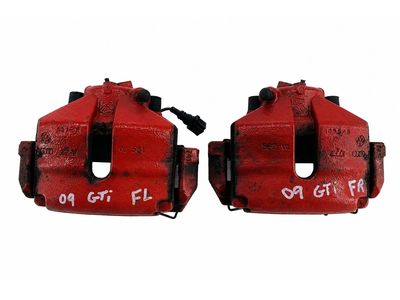
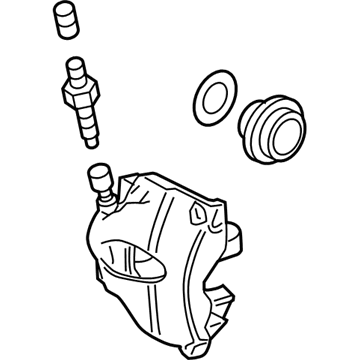
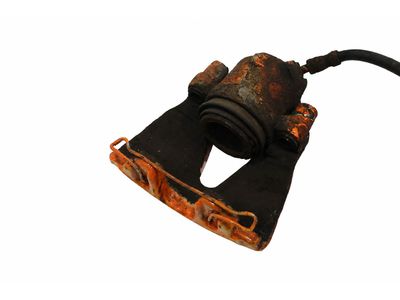
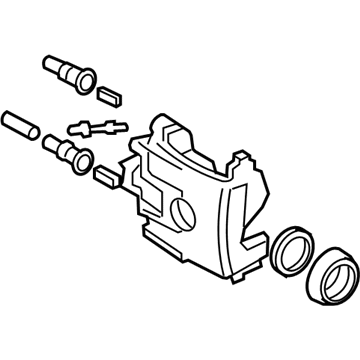
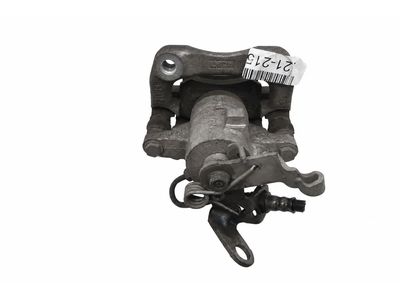
Volkswagen Caliper Part Number: 1K0-615-123-M
$301.02 MSRP: $411.24You Save: $110.22 (27%)Ships in 1-2 Business DaysProduct Specifications- Position: Driver Side
- Replaces: 1K0-615-123-F
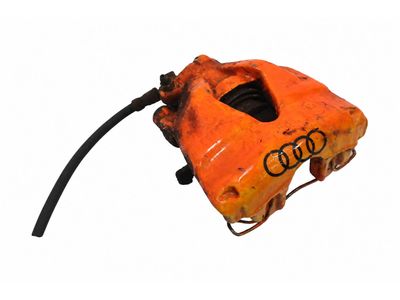
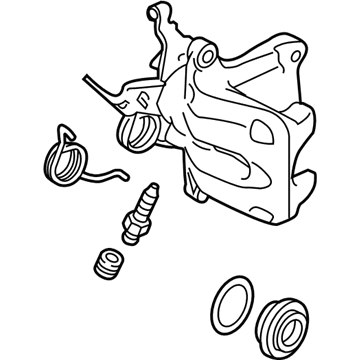
Volkswagen Caliper Part Number: 1J0-615-124-D
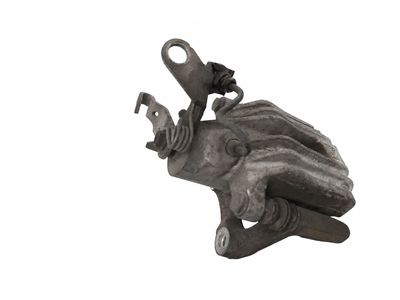
$301.02 MSRP: $411.24You Save: $110.22 (27%)Ships in 1-2 Business DaysProduct Specifications- Position: Passenger Side
- Replaces: 1J0-615-124-DX, 3A0-615-124-A, 3A0-615-124, 8N0-615-124
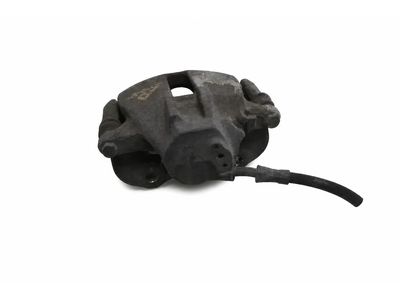
Volkswagen Caliper Part Number: 5C0-615-423
$72.46 MSRP: $101.49You Save: $29.03 (29%)Ships in 1-2 Business DaysProduct Specifications- Position: Driver Side
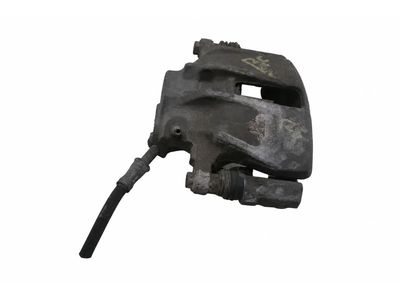
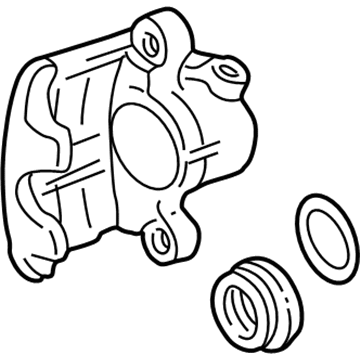
Volkswagen Caliper Part Number: 357-615-124-AX
$105.25 MSRP: $146.67You Save: $41.42 (29%)Ships in 1-2 Business DaysProduct Specifications- Position: Passenger Side
- Replaces: 357-615-124-A
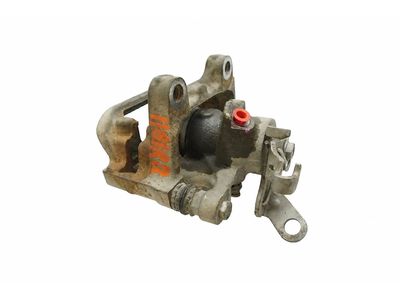
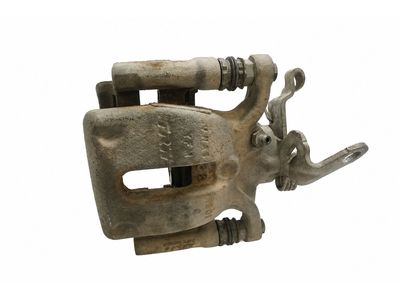
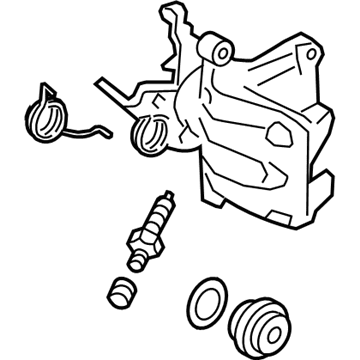
Volkswagen Caliper Part Number: 5QM-615-424-B
$137.43 MSRP: $192.49You Save: $55.06 (29%)Ships in 1-2 Business DaysProduct Specifications- Other Name: Caliper Assembly
- Position: Passenger Side
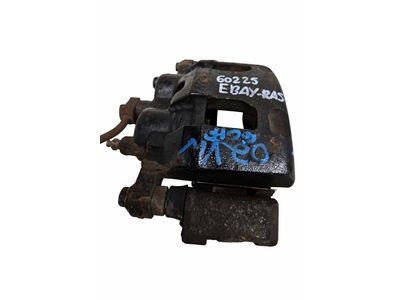
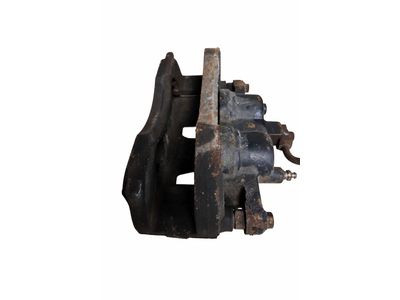
Volkswagen Caliper Part Number: 357-615-123-AX
$114.77 MSRP: $160.00You Save: $45.23 (29%)Ships in 1-2 Business DaysProduct Specifications- Position: Driver Side
- Replaces: 357-615-123-A
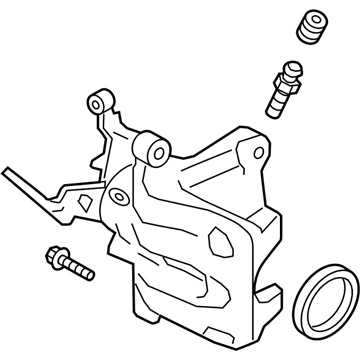
Volkswagen Caliper Part Number: 5Q0-615-423-E-SL7
$163.67 MSRP: $229.24You Save: $65.57 (29%)Ships in 1-2 Business DaysProduct Specifications- Other Name: Housing
- Position: Driver Side
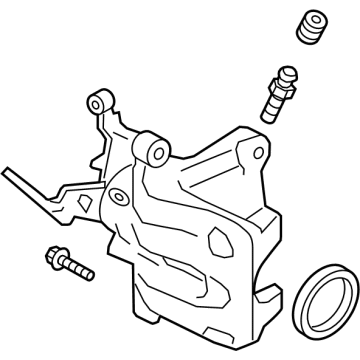
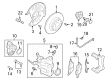
Volkswagen Caliper Part Number: 3Q0-615-423-F-SL7
$304.23 MSRP: $415.61You Save: $111.38 (27%)Ships in 1-2 Business DaysProduct Specifications- Other Name: Housing
- Position: Driver Side
Volkswagen Caliper Part Number: 5Q0-615-424-E-SL7
$247.22 MSRP: $337.74You Save: $90.52 (27%)Ships in 1-2 Business DaysProduct Specifications- Other Name: Housing
- Position: Passenger Side
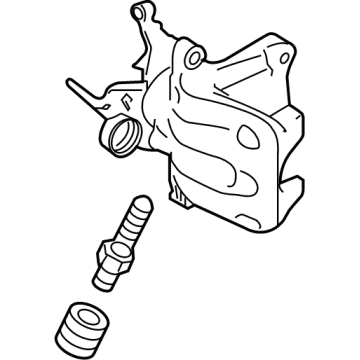
Volkswagen Caliper Part Number: 5WA-615-424-B-QC8
$269.00 MSRP: $367.49You Save: $98.49 (27%)Ships in 1-2 Business DaysProduct Specifications- Other Name: Housing
- Position: Passenger Side
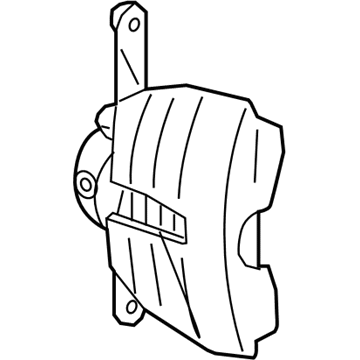
Volkswagen Caliper Part Number: 3QF-615-124
$90.14 MSRP: $126.24You Save: $36.10 (29%)Ships in 1-2 Business DaysProduct Specifications- Position: Passenger Side
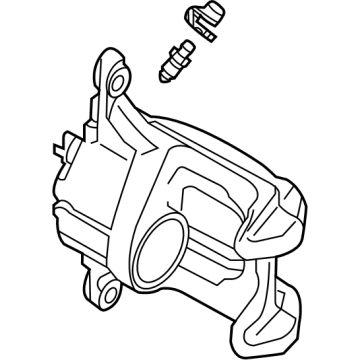
Volkswagen Caliper Part Number: 1N3-615-124
$256.19 MSRP: $349.99You Save: $93.80 (27%)Ships in 1-2 Business DaysProduct Specifications- Position: Passenger Side
Volkswagen Caliper Part Number: 3QF-615-123
$118.56 MSRP: $166.05You Save: $47.49 (29%)Ships in 1-2 Business DaysProduct Specifications- Position: Driver Side
Volkswagen Caliper Part Number: 5QM-615-423-B
$137.43 MSRP: $192.49You Save: $55.06 (29%)Ships in 1-2 Business DaysProduct Specifications- Other Name: Caliper Assembly
- Position: Driver Side
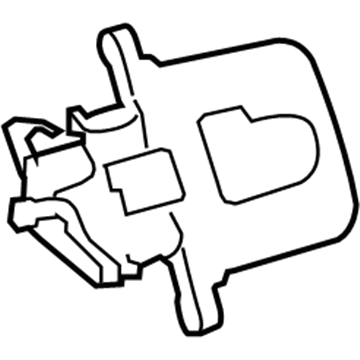
Volkswagen Caliper Part Number: 7B0-615-424-F
$137.56 MSRP: $192.67You Save: $55.11 (29%)Ships in 1-2 Business DaysProduct Specifications- Position: Passenger Side
- Replaces: 7B0-615-424-B, 7B0-615-424-E
Volkswagen Caliper Part Number: 7B0-615-423-F
$137.56 MSRP: $192.67You Save: $55.11 (29%)Ships in 1-2 Business DaysProduct Specifications- Position: Driver Side
- Replaces: 7B0-615-423-B, 7B0-615-423-E
Volkswagen Caliper Part Number: 1N3-615-123
$406.25 MSRP: $554.98You Save: $148.73 (27%)Ships in 1-2 Business DaysProduct Specifications- Position: Driver Side
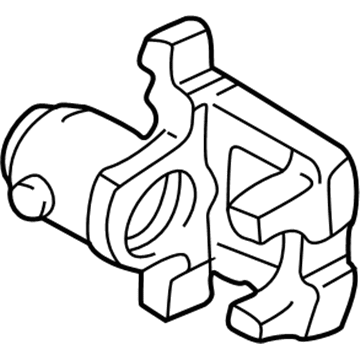
Volkswagen Caliper Part Number: 1J0-615-424-A
$171.36 MSRP: $240.00You Save: $68.64 (29%)Product Specifications- Position: Passenger Side
Volkswagen Caliper Part Number: 1H0-615-124-C
$177.04 MSRP: $247.95You Save: $70.91 (29%)Product Specifications- Replaces: 171-615-124-B, 1H0-615-124-A
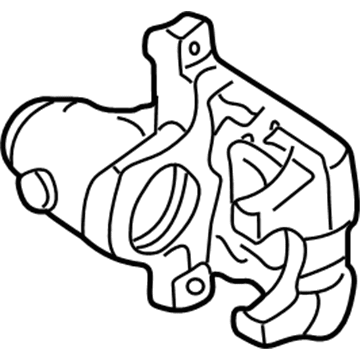
Volkswagen Caliper Part Number: 1J0-615-424
$180.88 MSRP: $253.33You Save: $72.45 (29%)Ships in 1-2 Business DaysProduct Specifications- Position: Passenger Side
| Page 1 of 9 |Next >
1-20 of 178 Results
Volkswagen Brake Caliper
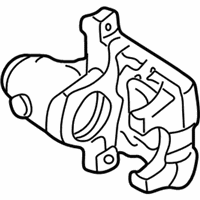
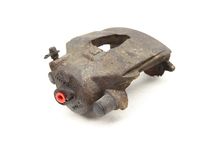
The Volkswagen Brake Caliper translates hydraulic pressure into powerful clamping force which clamps onto the rotor, providing every VW model with confident and predictable stopping power. VW began in 1937 with the vision of a people's car and continued to create such icons as the Beetle and the Type 2 van, both of which were renowned for clever packaging and durability. Today the brand applies TSI turbo engines, efficient direct injection, and the flexible MQB platform to create hatchbacks, sedans, SUVs, and the growing ID electric line of vehicles, all sharing clean design, smart digital cockpits, and intuitive park assist that make driving fun and easy for young and seasoned drivers alike. Just as the vehicles are a balance of style and substance, the Brake Caliper is a reflection of its commitment to safety and clarity of engineering. Its cast iron body or lightweight alloy housing forces fluid through robust pistons, pressing pads equally and resisting heat fade in sudden stops or long downhill drives, characteristics beneficial to city commuters and highway travelers across the entire lineup. Whether floating for cost-effective simplicity or fixed for sharper pedal feel, each Brake Caliper is still compatible with standard electronic parking systems and integrates seamlessly with modern stability controls. Routine visual checks by owners help keep performance sharp so VW cars can continue their trusted reputation for reliability mile after mile.
Buying OEM parts is a smart move to keep your long-term repair costs low. These components are built to last because VW uses such strict factory standards. At VWPartsGiant.com, it is easy to find genuine Volkswagen Brake Caliper at prices that actually beat the competition. You get a real manufacturer's warranty with every single part, so you know your purchase is safe. Plus, forget about return headaches since our policy is easy and worry-free. We ship your order fast, too. If you have questions, our team of parts experts is ready to help. Why wait? Start shopping now!
Volkswagen Brake Caliper Parts and Q&A
- Q:What steps should be taken when overhauling front brake calipers due to issues like fluid leaks or a stuck piston on Volkswagen Cabrio?A:In case overhaul has been recommended by the problems such as fluid leakage, frozen piston, or broken bleeder screw, check every possible solution before commencing the process. Calipers that are new and factory rebuilt are exchanged on a basis of exchange, making the job easy. When rebuilding calipers, always have rebuild kits on hand and in either case, rebuild or replace these calipers in pairs. The first step is to loosen the lug bolts that hold the wheel, to engage the parking brake, to raise up the front part of the car and make sure that the front part is put on jack stands and then remove the relevant wheel. Wipe the brake system using brake system cleaner and leave the moisture to dry in a drip pan. Reduce the loss of fluids by taking out the master cylinder reservoir cap and covering it with cellophane. Wipe the surrounding of the fitting and unscrew the brake hose fitting nut without und screwing the hose off the caliper. Removing the caliper to get access, do not unconnect the brake hose. Unscrew the caliper in the brake hose, then remove the brake pad, and also take the caliper out of the vehicle. Again wipe the caliper with the brake system cleaner, kick off the partially ejected piston and remove the dust seal. In case the piston cannot be drawn manually, apply compressed air in a cautious manner and a cushion should be provided to avoid breakages. Carefully remove the piston hydraulic seal using a plastic or wooden object so as not to damage the caliper bore. Wipe all the parts using isopropyl alcohol, clean brake fluid, or brake system cleaner, and leave to dry. On VW calipers, remove the spacers of the caliper body bushings and on Girling calipers, remove the guide pins and dust boots. Inspect all elements of wear or damage, especially cylinder bore and piston, which must be changed in case of a scratch, wear or corrosion. In case the assembly can be used any more, get the proper repair kit and re-assemble all the rubber seals, dust covers and caps that have been disturbed during the dismantling. It is essential to make sure that all parts are clean and dry when reassembling, witness the piston and new piston seal in clean brake fluid and apply clean fluid to the surface of the cylinder bore. Insert the new piston seal in the lower groove of the caliper bore with fingers making sure it fits in place. Get the new dust boot past the piston and open the flanged part to the upper groove of the cylinder pushing the piston to the bottom of the bore and passing the lip of the dust boot in. Lubricate the spacers or guide pins with grease of the repair kit or copper-based high temperature brake grease, attach the new dust boots and fix the guide pins into the mounting bracket. Lastly, tighten the caliper to the maximum and attach the brake pads and caliper, tighten the brake line fitting nut, take off the cellophane in the master cylinder reservoir and bleed the hydraulic system. Once there has been minimum loss of brake fluid, then only the concerned front brake should be bled. Install the wheel, drop the vehicle on the ground, and screw the wheel bolts to the required torque.
- Q:How to properly remove and install a brake caliper without damaging the brake hose on Volkswagen Jetta?A:When you are removing the caliper to gain access to other parts, do not disconnect the hose rather hang the caliper using a bit of wire such that the brake hose is not damaged. First, it is important to loosen the front or rear wheel bolts, elevate the vehicle, and place it safely on jackstands and block the opposite end wheels. Take out the front wheel or rear wheel. To remove the cable of the parking brake lever and the bracket of rear caliper, look after pushing the lever in by hand so that the ball end of the cable could be worked off, and then pull the cable off the bracket with a box-end wrench or pliers to compress the tabs holding them on. To access a front caliper, or ZOH BIR 38 rear caliper, loosen the banjo fitting bolt and dis-attach the brake hose connector to the caliper, being careful not to lose the sealing washers, or lose all the open fittings to fluid loss and contamination. In the case of a Cl 38 rear caliper loosen the brake line fitting nut in the brake hose fitting with a flare nut wrench, then screw the clip holding the brake hose to its bracket open and disconnect the hose by twisting off the fitting to avoid fluid leakages. Lastly, unscrew the caliper guide pins or mounting bolts and unscrew the caliper. The opposite to removal is installation; in the case of a front caliper, apply new sealing washers on each side of the inlet brake hose fitting and attach the fasteners to the required torque. Bleed the brake system after it is installed, inspect the leaks of the hose attachment, pump the brake pedal multiple times prior to driving and test the brakes thoroughly before it is reintroduced to the regular use again.
Related Volkswagen Parts
 Volkswagen Brake Master Cylinder
 Volkswagen Wheel Hub
 Volkswagen Brake Rotor
 Volkswagen Brake Bleeder Screw
 Volkswagen Brake Booster Vacuum Pump
 Volkswagen Brake Caliper Bolt
 Volkswagen Brake Drum
 Volkswagen Brake Fluid Pump
 Volkswagen Brake Line
 Volkswagen Brake Shoe Set
 Volkswagen Parking Brake Actuator
 Volkswagen Parking Brake Cable
Browse by Model
Arteon Brake Caliper Atlas Brake Caliper Atlas Cross Sport Brake Caliper Beetle Brake Caliper Cabrio Brake Caliper Cabriolet Brake Caliper CC Brake Caliper Corrado Brake Caliper e-Golf Brake Caliper Eos Brake Caliper EuroVan Brake Caliper Fox Brake Caliper Golf Alltrack Brake Caliper Golf Brake Caliper Golf R Brake Caliper Golf SportWagen Brake Caliper GTI Brake Caliper ID. Buzz Brake Caliper ID.4 Brake Caliper Jetta Brake Caliper Passat Brake Caliper Phaeton Brake Caliper Quantum Brake Caliper R32 Brake Caliper Rabbit Brake Caliper Rabbit Convertible Brake Caliper Routan Brake Caliper Scirocco Brake Caliper Taos Brake Caliper Tiguan Brake Caliper Tiguan Limited Brake Caliper Touareg Brake Caliper Vanagon Brake Caliper